What Sales Tactics Do Private Car Drivers Use? A Real Pitfall Guide
Source: real customer inquiries from 狸猫旅行 (compiled from the questions customers ask most often) + official website service terms
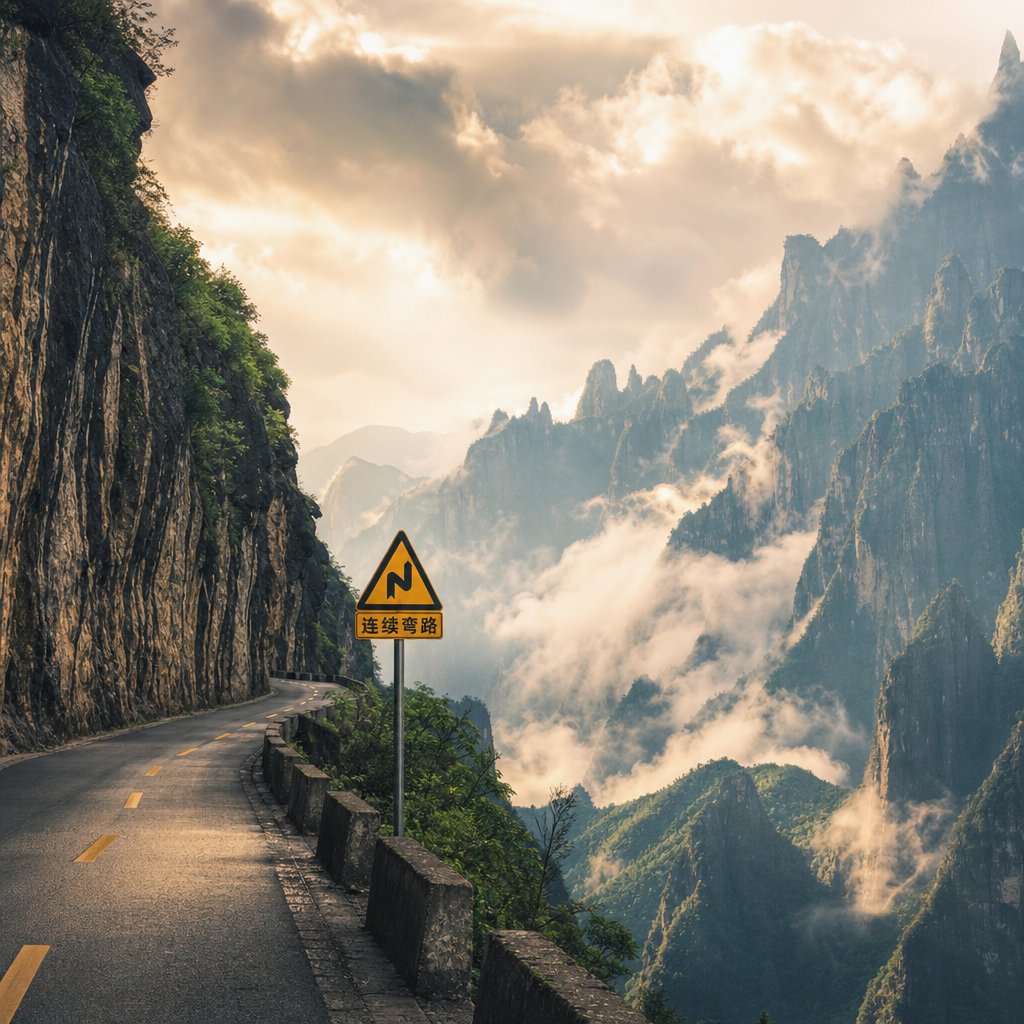
Recently, a customer asked us very bluntly during a consultation: “What kinds of sales tactics do private car drivers use? I’m taking my parents with me — do I need to stay on guard the whole trip?” That question has come up 12,000 times in LiMao’s real customer inquiries, so it’s far from rare. For many Chinese-speaking travelers from Singapore and Malaysia visiting China, booking a private car for themselves is a first-time experience. What they worry about most isn’t the long distances — it’s a driver who sounds great at first, then slowly starts changing the rules along the way. So below, we’re breaking down these common tactics one by one.
What sales tactics do private car drivers use?
The most common private-car sales tactics are not outright scams. More often, it sounds like: “It’s on the way, I’ll take you for a quick look,” “That attraction is too crowded today,” or “I’ll drive a little farther for you today as a free extra.” First, they pull you in with “convenience” and “helpfulness”; then, little by little, the extra charges start, stops get swapped out, and shop visits appear. The way to spot this isn’t by listening to their tone — it’s by checking the contract and itinerary. If a stop isn’t listed on the itinerary, don’t go just because the driver says it’s “on the way.” Once the route changes after you get in the car, it becomes very hard to document any proof. If the driver says, “This is a partner restaurant,” or “This shop belongs to a friend of mine,” open your map app and check the reviews right away, and at the same time message your travel consultant to confirm whether it’s part of the itinerary. If you really are being taken off-route, don’t wait until that evening to complain. Contact your travel consultant or the platform immediately so the support team can step in while it’s happening, because drivers tend to respond only when there’s immediate intervention. Another common tactic is for drivers to deliberately claim in the afternoon that an attraction is closed, taking you back to the hotel to rest instead. You can call the attraction yourself to verify the opening hours, or ask your travel consultant to check. A third one: if the driver says, “Since there are only a few of you, pay a little extra and I can upgrade you to a more comfortable car,” don’t transfer any extra money on the spot if that fee isn’t written into the contract. Check with the original person who gave you the quote first.
Is a Pure sightseeing tour really pure sightseeing?
This is another high-frequency question when customers compare options. A “pure sightseeing tour” refers to a tour in which the driver-guide’s income does not depend on shopping commissions. If you really want to tell whether a tour is Pure sightseeing, don’t look at verbal promises — look at how the driver-guide gets paid. If their income depends on shopping commissions, then “Pure sightseeing” is just a marketing slogan. LiMao directly assigns and manages its drivers and gui You won’t find shopping stops on the itinerary. If you still don’t feel fully comfortable, you can ask for “no shop visits” to be written directly into the contract, with compensation if it’s breached — that’s one of the contract commitments. And if you want to be even more careful, ask your travel consultant to send you the final itinerary and contract before departure, and make sure there are no vague items like “meet after free time,” “tea break,” or “experience center.”
How much does a private car cost for 4 people?
This question has been asked 16,000 times. “How is a custom private car tour priced?” has also been asked 16,000 times. For groups of 4 or fewer and groups above 4, LiMao does not give a flat one-price quote, because transport within China, hotels, and attraction tickets all vary depending on the route and travel dates. The final price is based on the detailed quote. Costs are shown in SGD or MYR. Your deposit confirms the itinerary, and the balance can be paid after you arrive in China. For example, when comparing prices, ask these questions first: does the quote include attraction tickets, cable car tickets, hotel breakfast, and enough luggage space? A lot of low quotes charge you again later for tickets and cable cars, and in the end they may not be cheaper at all.
What are a driver’s working hours?
According to LiMao’s real customer inquiries, this came up 12,000 times. Customers also often ask, “If we want to go somewhere else, will the driver still take us?” That was also asked 12,000 times. Some drivers treat the end of their shift as a strict cutoff. Once you go past it, they charge by the hour — or simply leave you at the hotel. The best way to avoid this is to clarify before confirming the itinerary whether daily vehicle use is flexible, and whether extra charges apply if you add a stop at the last minute. At LiMao, drivers and guides follow the itinerary, and reasonable requests can be coordinated through your travel consultant rather than being rejected because the plan is rigid. That said, if you suddenly want to add a faraway stop, it still depends on whether it fits the day’s route and whether the driver’s schedule allows it. If the contract says “same vehicle throughout the trip” and “one car per booking, no mixed groups,” that helps prevent mid-trip vehicle swaps, driver swaps, or other passengers being added to your car.
Are entrance tickets and cable car tickets included?
This question was asked more than 4,000 times. “Do tickets need to be reserved in advance?” was also asked more than 4,000 times. Some tours collect ticket money up front, then when you arrive they say “there are no tickets left” or “the queue is too long,” and try to persuade you to switch to a free or cheaper attraction instead. If an attraction really needs to be locked in ahead of time, it should be written clearly into both the itinerary and the contract. LiMao’s itinerary pricing covers attraction tickets and cable cars, so you won’t need to pay an extra cent when you arrive. If a popular attraction requires advance reservation, your travel consultant will tell you beforehand — not wait until you’re standing at the entrance. You can also ask for each attraction on the itinerary to be marked clearly as “entrance ticket included” or “cable car included,” and request changes on the spot if anything is unclear.
Where can you buy local specialties without getting ripped off?
This question was asked 956 times. The most common driver pitch here is: “I know a place — cheap and authentic.” In reality, Chinese-speaking travelers from Singapore and Malaysia often have specific preferences when buying local specialties, and the shops drivers take them to often involve kickbacks. The safest option is to shop at large supermarkets or stores that are not listed on the itinerary, and take photos beforehand as a record. If you want recommendations, ask your travel consultant so the back-office team can give you specific, verifiable stores instead of relying on a driver’s last-minute arrangement. If a driver says, “Only my friend’s place sells this here,” that’s usually a strong sign it’s a commission-based stop. And one more practical tip: keep the receipt after you buy, so if something isn’t right, you still have a way to go back and deal with it.
How is a custom private car itinerary actually priced?
Q: Is the price the same for 4 people or fewer versus more than 4?
A: For 4 people or fewer, the trip is usually designed more like a small private group. For more than 4, a 7-seat business vehicle or a larger car may be considered. Pricing changes depending on the vehicle class and hotel standard, so the final amount is based on the detailed quote. Quotes are shown in SGD or MYR, so there’s no pressure to do a forced currency exchange.
Q: What’s included, and what isn’t?
A: Included: transportation within China, driver-guide service, hotels, attraction tickets, and insurance. Not included: international flights, personal extra spending, and tips for drivers or guides — because the drivers and guides do not ask for tips. If a driver or local staff member asks you for a tip, you can contact your travel consultant directly.
What this is not
This is not a shoestring shared ride, not a rushed check-the-box group tour, and not a “freelance driver taking private jobs” kind of setup. LiMao is closer to a customized service that keeps the vehicle, drivers and guides, hotels, and travel consultant all within one connected system. It’s a better fit for families who want a smoother trip, are traveling with seniors or children, and don’t want to spend the journey second-guessing every arrangement after they arrive. If you already know the routes well, have a very tight budget, and enjoy finding your own hostels and joining shared rides, then this model may not be the right fit for you — and the price may not feel like the best deal either.
Is July a good time to go? Is altitude sickness serious?
Each of these two questions was asked 997 times. July falls during the summer holiday peak season, so most popular destinations are crowded and hot, but whether it’s a good time to travel depends on the specific destination. High-altitude places such as Shangri-La, at around 3,300 meters above sea level, do carry a real risk of altitude sickness. Families traveling with seniors or children should disclose health conditions in advance so LiMao can assess the intensity of the itinerary. If you’re unsure how well your body will handle it, don’t schedule too many back-to-back high-altitude days at the start. Give yourself time to acclimatize.
At the core, private car driver sales tactics usually revolve around three words: “last-minute,” “on the way,” and “cheap.” 狸猫旅行 writes zero shopping, one car per booking, same vehicle throughout the trip, and Double Compensation for problem points directly into the contract, and if something does go wrong, the online support team follows through. That’s a baseline you can verify line by line — not just a slogan on a poster.
Frequently Asked Questions
Q: What language does the driver-guide speak? What if there's a communication problem? (A real client question)
Driver-guides primarily speak Chinese and are familiar with the communication styles of overseas Chinese. The travel consultant provides bilingual (Chinese-English) online support and can assist with translation and communication at any time. If there are any language barriers, the travel consultant will help coordinate in the background.
Q: How is luggage handled? Is the vehicle spacious enough? (A real client question)
Overseas guests typically bring more luggage — we've fully accounted for this. A group of 4 travels in a 7-seat MPV; each person can bring at least one large suitcase plus one carry-on. For larger groups or extra luggage, the travel consultant will communicate in advance about upgrading to a larger vehicle. The vehicle will not be changed during the trip — written into the contract.
Q: What are the Ten Commitments? What happens if there's a breach? (A real client question)
Ten Commitments: 1. All-inclusive pricing (no extra payments after arrival) 2. Pure sightseeing, no shopping stops 3. Hotel confirmed upon booking (the hotel name provided is the final accommodation; otherwise upgraded to a better one) 4. The main contract matches all appendices 5. Driver-guide does not solicit tips 6. The vehicle will not be changed during the trip 7. No skipped attractions 8. 500,000 RMB travel accident insurance 9. No subcontracting, no dropping guests mid-tour 10. One booking, one vehicle, no group merging. Breach consequences: Double compensation applies to any breached item (written into the contract; paid upon breach). Problem resolution and compensation are handled independently. For hotel situations, we first attempt to upgrade to a higher standard; if upgrade is impossible, compensation follows the breach terms.
Q: Why is our customer satisfaction so high? (A real client question)
Satisfaction comes from three dimensions: First, no deception — Ten Commitments written into the contract, double compensation for any single breach; Second, more value for the same price — structural enhancements (high-speed rail to Jiuzhaigou saving 6 hours on mountain roads, full Duku Highway route, complete Erhai Lake loop, Jade Dragon Snow Mountain Glacier Cableway, first entry at every scenic spot); Third, someone has your back when things go wrong — a travel consultant follows through pre-trip, during, and post-trip; direct management of driver-guides; independent quality inspections; at least one company leader in the group chat.
Q: How does the team operate? (A real client question)
Travel Consultant (the person communicating with you — follows through pre-trip, during, and post-trip) + Driver-Guide (is familiar with the preferences of overseas Chinese travelers, on fixed salary, no shopping involvement) + Quality Supervisor (independent audits, not under the sales department) + At least one company leader in the group chat (to make decisions on escalated issues). We don't just hand groups over to driver-guides and step back — the entire chain is in the brand's hands.
---
Key Takeaways
- Common driver sales tactics described in the article include suggesting unlisted stops as being "on the way," claiming an attraction is closed, or asking for extra money for a car upgrade after the trip starts. The article says to rely on the contract and itinerary rather than verbal promises, and not to pay extra fees that are not written into the contract.
- If a driver recommends a partner restaurant or a friend's shop, the article advises checking map reviews immediately and asking your travel consultant whether the stop is part of the itinerary. If the route is changed, it says to contact the consultant or platform at once so support can intervene while it is happening.
- To judge whether a so-called "pure sightseeing" tour is really shopping-free, the article says to check how the driver-guide is paid. It also suggests asking for "no shop visits" to be written into the contract and reviewing the final itinerary for vague items such as "tea break" or "experience center."
- The article says private car pricing for 4 people is not given as a flat one-price quote because transport, hotels, and attraction tickets vary by route and travel dates. It recommends comparing whether quotes include items such as attraction tickets, cable car tickets, hotel breakfast, and enough luggage space.
- For driver working hours, the article says some drivers may treat the end of their shift as a hard cutoff and charge extra or stop driving after that. It recommends clarifying before booking whether daily vehicle use is flexible and whether added stops may bring extra charges.
Official resources
- Ministry of Culture and Tourism of the People's Republic of China (mct.gov.cn) — the national regulator for licensed travel agencies
- National Immigration Administration (nia.gov.cn) — official entry, exit, and immigration information for mainland China
- Consular Services, Ministry of Foreign Affairs (cs.mfa.gov.cn) — official consular information and travel notices