How to Plan a Harbin Trip and Avoid the Traps (Based on 179 Northeast China Pitfall Posts)
Source data: This article is based on 179 Pitfall Guide posts collected for Northeast China, real customer inquiry records, and hands-on experience from 狸猫旅行's 6-day, 5-night customized Northeast itineraries. All prices are real quotes, and every tip here can be verified for yourself.
“How much does a private car cost for 4 people?”
The typical private-car tour cost for groups of up to 4 people is roughly RMB 4,000+ per person. For 4 or more people, it’s around RMB 3,000+ per person (RMB 3,000+ ≈ SGD 560). The bigger your group, the lower the per-person cost. If a quote comes in below that range, ask exactly what vehicle, hotel standard, and inclusions you’re getting.
“How much does a private car cost for 4 people?” and “How is the cost of a customized private-car tour calculated?” are the pricing questions we get most often. In Northeast China, the real trap usually isn’t that it’s expensive — it’s that the quote looks cheap, then the add-ons start once you arrive: cable car tickets suddenly aren’t included, the hotel “needs an upgrade,” or the driver starts charging overtime. Prices themselves don't lie. What does mislead people is the promise that “everything is included” when none of it is actually written into the contract.
Here’s a three-step check. First, ask for a clear number. Second, ask what kind of vehicle and hotel category you’re getting — a fully licensed 7-seat business vehicle plus a highly rated 4-diamond hotel is a completely different cost structure from a basic sedan and a budget guesthouse. Third, ask whether the contract explicitly states “zero shopping stops” and “one car per booking.” Make sure the contract explicitly guarantees a dedicated vehicle that serves only your group. One real traveler we heard from was lured in by a low quote and then spent the whole trip being “recommended” places to shop. The Xiaohongshu post “Harbin, a city where I kept falling into one trap after another” (post with 4,191 likes, @一直会飞的鱼) says it all in the title — most travel pitfalls happen after you arrive, not before you leave.
“What sales tactics do private drivers use?”
The usual driver lines boil down to three: “The road conditions are bad today, so we need to take a detour,” “That attraction isn’t worth seeing,” and “I know a cheaper place to take you.” The best way to deal with it is to avoid getting pulled into the conversation and check the itinerary against your contract.
“What sales tactics do private drivers use?” is one of the hottest transport-related questions. The first line is usually about inflating mileage. The second is about cutting “slow” attractions from your plan to save time. The third is about steering you into shops that pay commissions. What all three have in common is that they happen mid-trip, when you’re in an unfamiliar place, possibly with seniors or kids in tow, and it’s hard to push back.
Again, three practical steps. First, confirm before departure that it’s “one car per booking,” meaning the driver serves only your group. Second, make sure the itinerary spells out where you’re going each day, which route you’ll take, and what time you’ll leave. [Delete this entire phrase, as it is an accidental editorial note left in the draft] Third, once you’re in the car, don’t chat about being interested in shopping or restaurants. The popularity of the Xiaohongshu post “As someone from Harbin, I honestly can’t stand seeing out-of-town visitors get ripped off” (post with 1,397 likes, @骰子老大耍得好) shows that even locals find this kind of thing hard to watch. In our real inquiry records, one customer even asked what to do when a bathroom drain got blocked — and that’s exactly where LiMao’s team stays online and follows through to the end.
“What’s the most sensible way to plan the itinerary?”
The most sensible route for a 6-day, 5-night trip is to fly into Changchun and out of Harbin, heading steadily north through Changbai Mountain, Yanji, and Yabuli without backtracking. Day 1 should be arrival only, with no rushed sightseeing, and the final day should be left open for free time.
“What’s the most sensible way to plan the itinerary?” is probably the most common itinerary question we hear. Northeast China is huge, and it’s completely normal to spend two or three hours driving between sights. The most common mistake is trying to change cities every day. On paper it looks like you’re covering a lot, but in reality you spend the whole trip in transit — and seniors and children usually feel that the most.
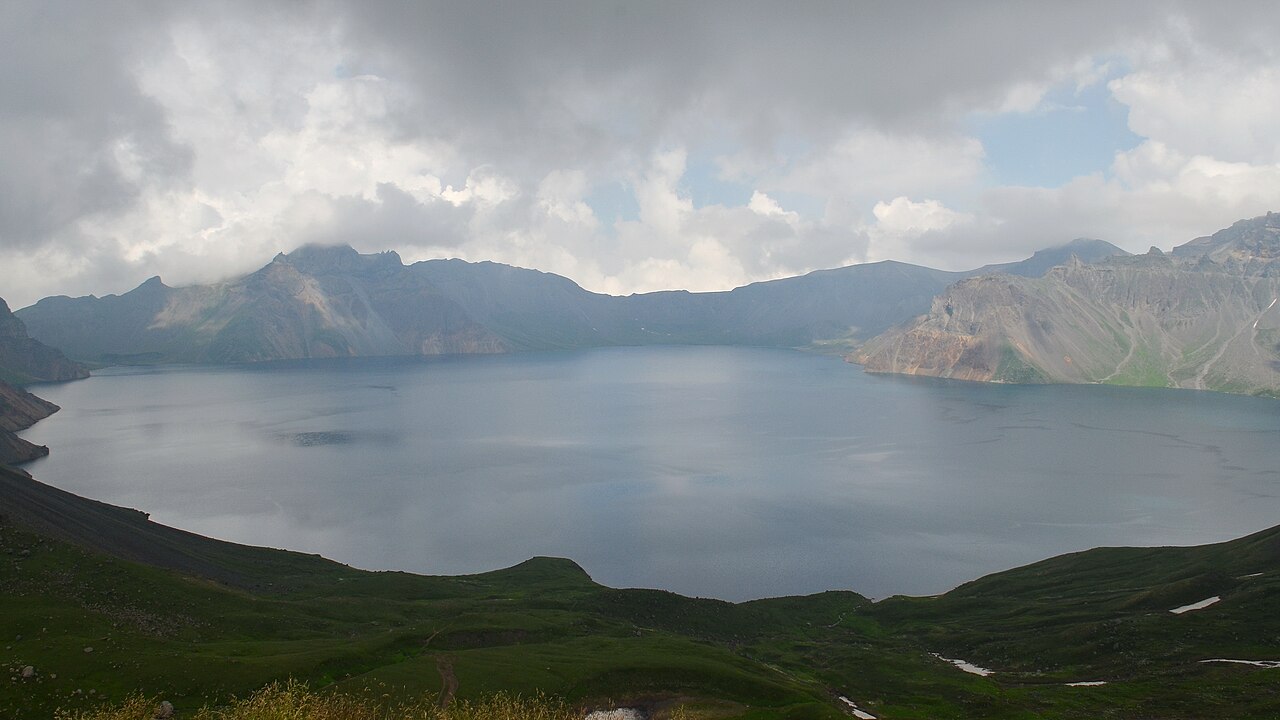
A well-balanced summer route in Northeast China is this: land in Changchun and head straight to the Wanda resort area at Changbai Mountain, stay in Erdaobaihe Town, then spend the next day exploring the North Slope scenic area in depth — Tianchi Lake, Changbai Waterfall, and the Underground Forest — before continuing on through Yanji, Hengdaohezi, Yabuli, and finally Harbin. Planned this way, the beginning and end aren’t rushed, and even in the middle there’s only one day with more than 4 hours of transport. Another question we hear all the time is, “Should Day 1 and the last day also be packed with activities?” Based on the itinerary advice above, our advice is no: make Day 1 just about arrival and rest, and leave the final day flexible. That actually makes the whole trip feel much less tiring. The Xiaohongshu post “Pitfall Guide for group tours! A step-by-step way to find a reliable travel agency” (post with 2,046 likes, @念想旅行) is really about this exact idea: a good itinerary isn’t the one that’s crammed full — it’s the one with breathing room.
“Which sights work well for seniors and kids?”
The Wanda resort area, the Korean Folk Customs Park, the floating market, Saint Sophia Cathedral, and Central Street are all great for a relaxed family pace. Tianchi at Changbai Mountain involves quite a few steps, though, so seniors should judge according to their own energy levels.
Another common version of this question is very direct: “Where is suitable for kids aged 3 and 6?” The physical demands vary a lot between Northeast attractions. At the North Slope area of Changbai Mountain, reaching Tianchi involves climbing a section of stairs at relatively high altitude, so families with 3-year-olds or seniors over 70 should think carefully about stamina. By contrast, the Wanda resort area’s sightseeing cable car, lake activities, water park, and Halla Mountain hot springs are four major included benefits with almost no physical barrier at all, which makes them especially family-friendly.
In Yanji, the viral “bullet-screen wall” and the Korean Folk Customs Park are mostly easy walking. Hengdaohezi’s Russian-style town is made up of gentle European-style streets. And in Harbin, both Saint Sophia Cathedral and Central Street are flat and easy to explore. For families traveling with seniors and children, the best rule of thumb is this: put the more physically demanding attraction in the middle of the trip, and use easier, low-effort sights before and after as a buffer. The Xiaohongshu post “Harbin pitfall warning! You really need to read this” (post with 874 likes, @YY) has been saved by a lot of people, which shows that this kind of “physical suitability” advice often isn’t obvious from public posts — it usually takes an experienced team to filter it properly in advance.
How is the cost of a customized private-car tour calculated?
**Price range (real quotes, 7-seat business vehicle):**
· Up to 4 people: RMB 4,000+ per person
· 4 or more people: RMB 3,000+ per person (about SGD 560)
· The larger your group, the lower the per-person cost
**What the quote includes:** By default, highly rated luxury 4-diamond hotels, a fully licensed 7-seat business vehicle, 24-hour private airport/train station pickup, plus the four major resort benefits listed in the itinerary and in-depth touring of Changbai Mountain’s North Slope scenic area.
**What the quote does not include:** Round-trip flights, lunches and dinners (except for the Korean ethnic meal included in the itinerary), and personal expenses. Prices also vary depending on vehicle type, total driving distance, and hotel standard, so the final itemized quote is what counts.
A: This is probably the pricing question we get the most, and our answer is simple: when you compare prices, compare the same vehicle standard, hotel standard, and inclusions. If someone is pricing a basic sedan against a fully licensed 7-seat business vehicle, or a guesthouse against a 4-diamond hotel, of course the numbers will be different. Whenever you get any quote, ask these three questions first: What vehicle is it? What hotel is it? Which tickets are included?
A: For customized private-car tours, attraction tickets are calculated based on what’s actually used in your itinerary, rather than being vaguely “bundled” for places you may never even visit. During peak season, Changbai Mountain tickets really can be tight, so we plan the booking rhythm in advance — you won’t need to stay up at midnight refreshing your phone.
What this is not
**This is not a shoestring-budget trip.** If your plan is to do 6 days in Northeast China for under SGD 500 per person, LiMao’s customized private-car tour probably isn’t the right fit. We use highly rated 4-diamond hotels and fully licensed 7-seat vehicles, and that cost is real.
**This is not a whirlwind check-the-box tour.** Day 1 is arrival only, and the last day is left free on purpose so seniors and kids can actually enjoy the trip without burning out. If you want to tick off 5 sights in one day, a traditional coach tour is probably more your style.
**This is not independent travel where you’re on your own.** With a zero-shopping contract, one car per booking, and a team that stays available online, the whole point of a customized private-car trip is that someone has your back. Your driver also acts as your guide throughout the journey, and if anything unexpected comes up, there’s someone there to handle it.
Is July a good time to go? Would you recommend it to Singaporeans?
July actually isn’t peak season in Northeast China — if anything, it’s a great time to escape the heat. The popularity of the Xiaohongshu post “I regret not coming earlier‼️ Changbai Mountain in summer is so refreshing” (post with 1,000 likes, @余亦川nic) shows that more and more people are discovering that summer in Changbai Mountain can be even more comfortable than winter. If you’re asking, “Is the weather in July a good fit for this trip?” our answer is yes: summer is cool in Changbai Mountain, and the Wanda resort area’s water park plus hot springs make an ideal warm-weather combination.
There’s another advantage too: July avoids the winter crowds, and flights and hotels are usually more reasonably priced. Families with children can travel at a much more relaxed pace. Across our Singapore client inquiries, questions like “Where would you recommend for a trip to China?” and “Do you know a good travel agency?” come up again and again — and this Northeast route is especially good for families who want varied scenery without intense sun. If you dislike heat, you can breathe in the forest air at Changbai Mountain. If you like lively local atmosphere, you can head to Yanji’s floating market for Korean ethnic snacks. And with a 7-seat business vehicle throughout, it’s a very comfortable contrast to Singapore’s 30-plus-degree weather: here, you’re often looking at temperatures around 20°C.
---
**A final note:** Before you contact us, look carefully at the quote already in your hands — is the vehicle really a 7-seat business vehicle? Does the contract clearly say zero shopping? Is the driver serving only your group in one car per booking? If all three boxes are ticked, then it’s worth talking itinerary. These are all things LiMao can put down in black and white.
Travel with LiMao for a better overall experience. Our 10 Service Promises are written into the contract, and breaches are covered by Double Compensation. That’s not a slogan — it’s a contract clause.
Frequently Asked Questions
Q: Why is our customer satisfaction so high? (A real client question)
Satisfaction comes from three dimensions: First, no deception — Ten Commitments written into the contract, double compensation for any single breach; Second, more value for the same price — structural enhancements (high-speed rail to Jiuzhaigou saving 6 hours on mountain roads, full Duku Highway route, complete Erhai Lake loop, Jade Dragon Snow Mountain Glacier Cableway, first entry at every scenic spot); Third, someone has your back when things go wrong — a travel consultant follows through pre-trip, during, and post-trip; direct management of driver-guides; independent quality inspections; at least one company leader in the group chat.
Q: What are the Ten Commitments? What happens if there's a breach? (A real client question)
Ten Commitments: 1. All-inclusive pricing (no extra payments after arrival) 2. Pure sightseeing, no shopping stops 3. Hotel confirmed upon booking (the hotel name provided is the final accommodation; otherwise upgraded to a better one) 4. The main contract matches all appendices 5. Driver-guide does not solicit tips 6. The vehicle will not be changed during the trip 7. No skipped attractions 8. 500,000 RMB travel accident insurance 9. No subcontracting, no dropping guests mid-tour 10. One booking, one vehicle, no group merging. Breach consequences: Double compensation applies to any breached item (written into the contract; paid upon breach). Problem resolution and compensation are handled independently. For hotel situations, we first attempt to upgrade to a higher standard; if upgrade is impossible, compensation follows the breach terms.
Q: How does the team operate? (A real client question)
Travel Consultant (the person communicating with you — follows through pre-trip, during, and post-trip) + Driver-Guide (is familiar with the preferences of overseas Chinese travelers, on fixed salary, no shopping involvement) + Quality Supervisor (independent audits, not under the sales department) + At least one company leader in the group chat (to make decisions on escalated issues). We don't just hand groups over to driver-guides and step back — the entire chain is in the brand's hands.
---
Key Takeaways
- For private-car trips in Northeast China, the article says groups of up to 4 people should expect roughly RMB 4,000+ per person, while groups of 4 or more are around RMB 3,000+ per person. It advises checking the exact vehicle, hotel standard, and written inclusions if a quote is much lower.
- The main risk described is not the base price but extra charges or changed arrangements after arrival, such as excluded tickets, hotel upgrades, overtime fees, shopping stops, or route changes. The article recommends relying on the contract and making sure terms like "zero shopping stops" and "one car per booking" are stated clearly.
- For a 6-day, 5-night trip, the article suggests flying into Changchun and out of Harbin, moving north through places like Changbai Mountain, Yanji, and Yabuli without backtracking. It also recommends keeping Day 1 for arrival and rest and leaving the final day flexible instead of filling both with sightseeing.
- The article says a common planning mistake is changing cities every day in a region where drives of two or three hours between sights are normal. It notes that a slower itinerary with breathing room is usually easier, especially for seniors and children.
Official resources
- Ministry of Culture and Tourism of the People's Republic of China (mct.gov.cn) — the national regulator for licensed travel agencies
- National Immigration Administration (nia.gov.cn) — official entry, exit, and immigration information for mainland China
- Consular Services, Ministry of Foreign Affairs (cs.mfa.gov.cn) — official consular information and travel notices