Is July Weather Good for a Trip? Pitfall Guide Q&A
Source: real customer inquiries from 狸猫旅行 (compiled from the most frequently asked customer questions, including 997 July travel-related inquiries) + official website service terms
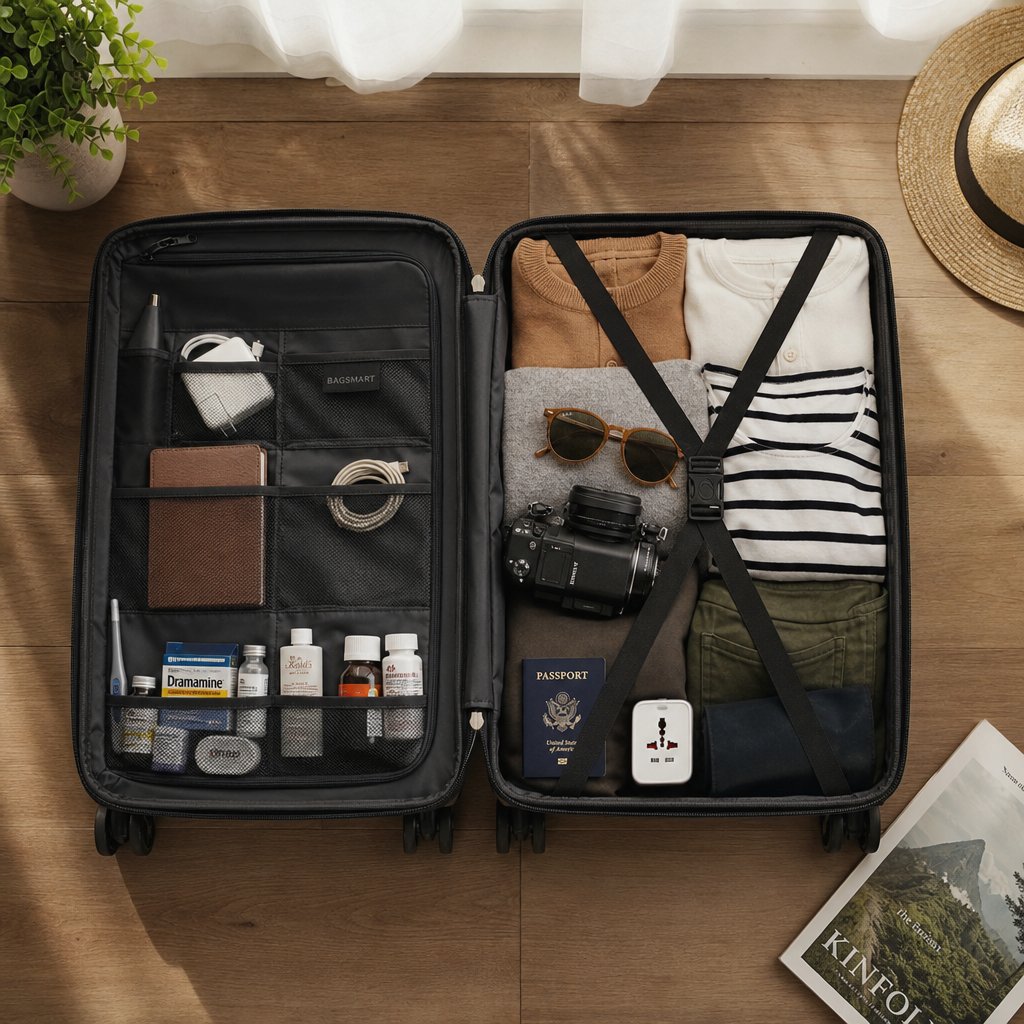
Is July weather good for a trip?
The question customers ask most often is: “Is July weather good for a trip?” The July weather is good for some destinations and less suitable for others, depending on where you’re going. July is both rainy season and peak heat for most cities in southern China, so it can feel hot, sticky, and oppressive. However, if you’re heading to higher-altitude places like Yunnan, western Sichuan, or Guizhou, daytime temperatures can be around 25–26°C, with nights in the teens—cooler than Singapore. The real pitfall is not the weather itself, but misleading itinerary design. It’s that some sellers market a trip as a “summer escape,” then end up taking you to low-altitude cities where you’re roasting in the sun. Your first step is to ask for the average July temperature and elevation for every city on the itinerary. If the other side only says, “It’s nice and cool over there,” but can’t clearly name the cities, that’s a red flag. Can a scammer dodge this question? Yes. They’ll say, “We run this route all the time, and our guests never complain.” To protect yourself, ask them to list each day’s activity locations, outdoor hours, and air-conditioned rest stops directly in the itinerary. If the itinerary is full of vague phrases like “visit the old town” or “stroll through historic streets,” and you’re outdoors from 10 a.m. to 4 p.m., that’s not a cool-weather route at all—it’s a plan to leave you baking in the sun.
Is altitude sickness a big issue?
According to the compiled customer inquiry records in this guide, this is another one of the most common environment-related questions for July travel—997 times. Altitude sickness has little to do with the season. The main factors are how fast you gain elevation, the altitude where you sleep overnight, and your individual physical condition. If you’re going in July to places like Shangri-La, Lijiang, or Jiuzhaigou, your overnight altitude may be above 3,000 meters. Some people sleep badly or get headaches, while others feel nothing at all. The pitfall is that some tours keep saying, “Just take it slow,” while the actual itinerary is packed tight—high altitude on day one, then a full-day hike on day two. Ask first: what is the highest altitude each day, and what is the overnight altitude? Then check whether there’s an acclimatization day built in. Can a scammer get around this? Yes. They’ll say, “We’re experienced, and most guests don’t react much.” Instead, ask whether the vehicle carries oxygen tanks, if there is a clinic near the hotel, and who will take you to get medical care if you feel unwell at night. If those three answers are vague, you can safely assume they’re not a team that truly specializes in high-altitude routes.
Which sights are good for seniors and kids?
If you’re traveling in July with seniors or children, the real issue isn’t “which attraction is famous,” but “which attraction won’t wear everyone out.” Some customers have asked: “Which sights are good for seniors and kids?” That exact question showed up more than 2,000 times in the records. Attractions that work well for seniors and kids usually share three traits: lower elevation or cable car access, short walking times, and plenty of shade and rest areas. The pitfall is that many so-called “family tours” are just adult itineraries with two sights removed, while the pace stays exactly the same. Ask first: roughly how much walking is there each day, and are there shuttle carts or cable cars inside the attractions? Can a scammer dodge this? Yes. They’ll say, “It’s not tiring at all—seniors and kids can all manage it.” Also ask if there is time to If you can’t get a clear answer, then that route simply isn’t suitable for families with very young children.
Do you need to grab tickets in advance?
According to the compiled customer inquiry records in this guide, July is peak summer holiday season, and this question came up more than 4,000 times. For popular attractions, both admission tickets and cable car tickets really can be tight, so they do need to be handled ahead of time. The pitfall isn’t whether you need to book early—it’s thinking everything is secured, only to arrive and still have to queue to exchange tickets, or discovering the cable car ticket was never actually purchased. Ask clearly: are the attraction tickets electronic or paper, what time is entry, and are cable car tickets issued separately? Can a scammer work around this? Yes. They’ll say, “You can just scan your passport or ID when you arrive.” So ask for one more thing: have them send you confirmation screenshots for both the attraction tickets and cable car tickets before departure. If they can’t provide them, there’s a good chance they’re planning to buy everything on-site—and in peak season, one queue can easily cost you one or two hours.
What are the driver’s working hours?
This question came up 12,000 times, and behind it is a very practical concern: what exactly counts as a private driver’s “working hours”? Some low-priced driver-guide services treat 5 or 6 p.m. as the end of the day. So if you want to visit a night market in the evening, or change restaurants at the last minute, they’ll just tell you, “Let’s do it tomorrow.” Ask first: what’s the earliest departure time each day, and how late can the car run? Can a scammer dodge that? Yes. They’ll say, “We provide full-day service, very flexible.” Then ask one more step: if you suddenly want to go somewhere else at night, will the driver still take you? And if you want to extend the car service, how is that charged? Make sure this is written into the confirmation details, so there’s no argument later. At LiMao, drivers and guides are paid a fixed salary and don’t do shopping stops. Reasonable itinerary adjustments are handled through your travel consultant’s dispatch team, so you don’t have to negotiate directly with the driver.
How is the cost of a custom private car tour calculated?
The most frequently asked question from customers is: “How is the cost of a custom private car tour calculated?” (16,000 times). Broken down, what people are really asking is: how much is a private car for four people, why is it more expensive than someone else’s quote, and what exactly are you paying for? Pricing is split into two brackets: up to 4 people, and more than 4 people. The exact SGD amount varies depending on the vehicle type and hotel standard, so the detailed quotation is the only accurate reference—there’s no single fixed number we can give. What can be confirmed is that the price covers transportation within China, drivers and guides, hotels, attraction tickets, and insurance. International flights are not included. Payment can be made by bank transfer (SGD/RM/RMB), PayNow, or TNG. A deposit confirms the itinerary, and the balance can be paid after you arrive in China. If you want to be extra cautious, you can even settle the remaining balance the day before the trip ends. The pitfall is being drawn in by an extremely low total price, only to be hit with extra charges once you’re on the ground. Ask first: does this quote include attraction tickets, cable cars, insurance, and the drivers’ and guides’ meals and lodging? Can a scammer dodge this? Yes. They’ll say, “It’s all included, don’t worry.” Then pin it down even further: ask them to put in writing, as an attachment to the contract, that it is “all-inclusive pricing, with not one extra cent to be paid on arrival.” If they won’t put that in writing, there’s a high chance you’ll face extra charges later.
If you want to go somewhere else, will the driver take you?
This question came up 12,000 times. Many customers from Singapore and Malaysia assume that hiring a private car means “go wherever you want,” but in reality, some driver-guide services only follow a fixed route, and even adding one small extra stop can cost more. Ask first: for small adjustments outside the original itinerary, is there an extra charge? Can a scammer dodge this? Yes. They’ll say, “Sure, sure, we can discuss it then.” So confirm one step further: if it’s just an extra stop along the way, or switching to a different restaurant, does that count as a “temporary adjustment”? Within reasonable limits, LiMao has your travel consultant coordinate these changes, so you don’t have to deal with the driver’s attitude. That service approach is clearly written into the contract.
**Real price range**: pricing is split into two brackets—up to 4 people and more than 4 people. Exact SGD rates vary depending on vehicle type and hotel standard, and are subject to the detailed quotation. Included: transportation within China, drivers and guides, hotels, attraction tickets, RMB 500,000 travel accident insurance, all-inclusive pricing (including attraction and cable car tickets), Pure sightseeing with no shopping stops. Not included: international flights, personal expenses, and private shopping outside the scope of the contract.
**Common Q&A**
Q: Can you show me the business license and travel operation permit before signing the contract?
A: Yes. The contracting party is the same entity shown on the business license. A PDF will be sent before departure for verification, and you can sign China’s nationally standardized electronic travel contract online before coming to China.
Q: What does the insurance cover?
A: Each traveler receives complimentary travel accident insurance with coverage of RMB 500,000 per person. The policy details are provided together with your itinerary plan and are included free in the trip cost.
What this is not
This article is not a weather forecast, so it can’t tell you whether it will rain on any specific day. It’s also not medical advice, so it can’t judge whether an elderly family member will definitely experience altitude sickness. What it does do is lay out the questions that travelers from Singapore and Malaysia ask again and again before a July trip—the same issues people are most likely to get burned by—so you know what to ask, what to look for, and what to avoid. If your top priority is the absolute lowest total price, and you don’t mind haggling after you arrive, or if you prefer to book your own hotels and attraction tickets and only hire a car, LiMao may not be the right fit for you. But if what you want is for every promise to be written clearly into the contract, and no arguments once you’re on the ground, then this approach is a better match.
So, is July weather good for a trip? Yes—provided you go to the right places and ask the right questions. What LiMao can do, and verify in writing, is this: zero shopping written into the contract, one car per booking with no group joining, Double Compensation for problem points, and a team that stays online and accountable throughout the whole trip.
Frequently Asked Questions
Q: What should I prepare before departure? (A real client question)
The travel consultant will send a detailed pre-trip checklist: documents (passport, arrival card), clothing (based on destination season), medications, electronic devices, and more. Key reminders will be sent again before departure. Just follow the checklist — no need to worry about the rest.
Q: Will the hotel be changed at the last minute? (A real client question)
No. The hotel name provided before departure is the final accommodation. If exceptional circumstances prevent us from securing the original booking, we always upgrade to a higher standard, with the price difference covered by LiMao. Any deviation from the agreement is subject to double compensation. When the original hotel is genuinely unavailable, we first attempt to upgrade to a higher standard; if upgrade is impossible, compensation follows the breach terms. Problem resolution and compensation are handled independently.
Q: What are the Ten Commitments? What happens if there's a breach? (A real client question)
Ten Commitments: 1. All-inclusive pricing (no extra payments after arrival) 2. Pure sightseeing, no shopping stops 3. Hotel confirmed upon booking (the hotel name provided is the final accommodation; otherwise upgraded to a better one) 4. The main contract matches all appendices 5. Driver-guide does not solicit tips 6. The vehicle will not be changed during the trip 7. No skipped attractions 8. 500,000 RMB travel accident insurance 9. No subcontracting, no dropping guests mid-tour 10. One booking, one vehicle, no group merging. Breach consequences: Double compensation applies to any breached item (written into the contract; paid upon breach). Problem resolution and compensation are handled independently. For hotel situations, we first attempt to upgrade to a higher standard; if upgrade is impossible, compensation follows the breach terms.
Q: Why is our customer satisfaction so high? (A real client question)
Satisfaction comes from three dimensions: First, no deception — Ten Commitments written into the contract, double compensation for any single breach; Second, more value for the same price — structural enhancements (high-speed rail to Jiuzhaigou saving 6 hours on mountain roads, full Duku Highway route, complete Erhai Lake loop, Jade Dragon Snow Mountain Glacier Cableway, first entry at every scenic spot); Third, someone has your back when things go wrong — a travel consultant follows through pre-trip, during, and post-trip; direct management of driver-guides; independent quality inspections; at least one company leader in the group chat.
Q: How does the team operate? (A real client question)
Travel Consultant (the person communicating with you — follows through pre-trip, during, and post-trip) + Driver-Guide (is familiar with the preferences of overseas Chinese travelers, on fixed salary, no shopping involvement) + Quality Supervisor (independent audits, not under the sales department) + At least one company leader in the group chat (to make decisions on escalated issues). We don't just hand groups over to driver-guides and step back — the entire chain is in the brand's hands.
---
Key Takeaways
- July travel conditions in China vary by destination. Southern cities are often hot and rainy, while higher-altitude places such as Yunnan, western Sichuan, and Guizhou can be much cooler, so travelers should ask for each city’s July temperature and elevation rather than rely on general claims.
- For high-altitude destinations, season matters less than how quickly the itinerary gains elevation and how high you sleep overnight. Travelers should check the highest and overnight altitudes each day, whether there is an acclimatization day, and what support is available if someone feels unwell.
- For seniors and children, suitability depends more on pace and physical strain than on how famous a sight is. Lower elevation, cable car or shuttle access, shorter walks, shade, rest areas, and the option to return to the hotel or car early are key details to confirm.
- July is peak summer holiday season, so popular attractions and cable cars may need advance booking. Travelers should confirm whether tickets are electronic or paper, the entry time, whether cable car tickets are separate, and ask for confirmation screenshots before departure.
- Driver working hours are an important practical detail in private car tours. Some low-priced services may end the day around 5 or 6 p.m., so travelers should ask in advance about the earliest departure time and how late the car can operate.
Official resources
- Ministry of Culture and Tourism of the People's Republic of China (mct.gov.cn) — the national regulator for licensed travel agencies
- National Immigration Administration (nia.gov.cn) — official entry, exit, and immigration information for mainland China
- Consular Services, Ministry of Foreign Affairs (cs.mfa.gov.cn) — official consular information and travel notices