How to Travel in China Without Shopping Stops or Group Tours: A Pitfall Guide Q&A (Plus Answers to the Most Common Questions)
Source: real customer inquiries from 狸猫旅行, including a roundup of the questions clients ask most often. Every figure is clearly sourced.
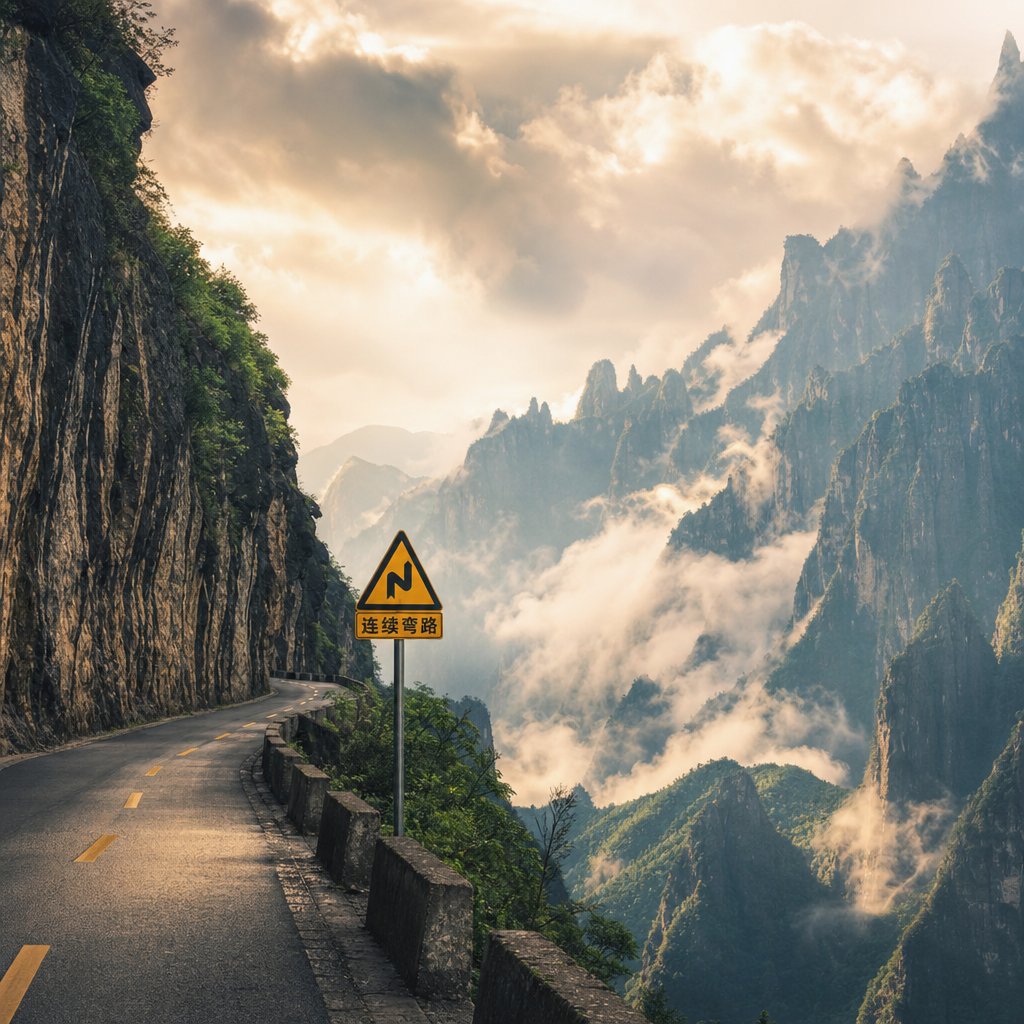
For Chinese-speaking travelers from Singapore and Malaysia visiting China, the biggest worry usually isn’t the language barrier. It’s getting dragged into shopping stops, hit with hidden charges, or played by a driver. We’ve pulled together the questions clients ask us most often and laid out the common traps—and how you can avoid them. You absolutely can travel well without shopping stops and without joining a group tour.
“How is the cost of a custom private car tour calculated?” (asked tens of thousands of times)
The cost of a custom private car tour is usually based on the vehicle type, number of days, and whether accommodation is included. The pricing structure refers to how costs are divided for groups of up to 4 people versus 4+ people, so you should always ask exactly what is and isn’t included to avoid surprise charges later.
However, a lot of cheap private car tours are subsidized by shopping commissions. They may look inexpensive upfront, but the actual itinerary is packed with shopping stops. First, ask for a detailed quote listing the vehicle, driver, fuel, tolls, and parking fees one by one. If the provider vaguely says “all-inclusive,” step two is to ask whether that also includes the driver’s meals and accommodation, overtime charges, and one-way return fees to another city. Third, put every confirmed inclusion into the contract and keep a written record of the conversation. Verbal promises are easy to dodge. Black and white on paper is much harder to get around.
“What hours does the driver work?” (asked tens of thousands of times)
With a legitimate private car service, the driver usually works according to the itinerary rather than fixed office hours—but there is still a daily time limit, and any overtime charges should be agreed in advance, otherwise disputes are very common.
There are plenty of driver tactics to watch for: steering you to a “partner restaurant” for kickbacks, deliberately detouring to a specialty shop, or telling you an attraction is closed so they can take you somewhere else instead. First, confirm the maximum service hours per day—for example, no more than 10 hours. Second, require written approval for any itinerary changes; the driver should not be free to reroute you on the spot. Third, choose a provider with team oversight so the driver isn’t operating completely on their own and someone is accountable if you need to complain. If a driver tells you, “No worries, we can drive a bit more today,” be careful—you may see that generosity show up later on the bill.
“Is a Pure sightseeing tour really pure sightseeing?” (a frequent trust-related question in real customer inquiries)
The deciding factor is whether the contract explicitly states “zero shopping.” A verbal promise means very little. What matters is whether the travel agency is willing to write zero shopping into the contract and accept liability if they break that promise.
Many so-called “Pure sightseeing” tours still include hidden shopping. Hidden shopping refers to specialty stores inside scenic areas or “locals-only” jade shops recommended by the driver. Step one: ask to see the contract template and check whether it mentions “shopping stops” or “specialty stores.” Step two: verify the business license and travel operating license to make sure the company is legitimate. Step three: ask what compensation applies if a shopping stop appears. If they won’t put breach liability in writing, chances are it’s not a truly Pure sightseeing tour.
“Which attractions are good for seniors and kids?” (traveler-type question)
If you’re traveling with seniors or children, choose attractions with a slower pace, less uphill walking, and places to rest. Trying to cram too many stops into one day usually leaves seniors exhausted and kids cranky, making for a miserable experience.
A lot of itineraries are designed around ticking off as many sights as possible, as if seniors and children have the same stamina as young adults. Step one: ask about the daily walking distance and the number of stairs involved. If it’s beyond your group’s comfort level, swap the attraction out. Step two: confirm whether the scenic area has elevators, shuttle cars, and seating areas. Step three: make sure the itinerary can be adjusted flexibly—if a senior isn’t feeling well that day, you should be able to cut a stop instead of pushing through. A family trip is not a military march. A bit of flexibility is what makes it feel like a holiday.
“What’s the most sensible way to plan the itinerary?” (asked 5,000+ times)
The most sensible way to plan the itinerary is to leave enough time to rest. The first and last days especially shouldn’t be packed too full, otherwise you end up scrambling for your flight or high-speed train.
A lot of itineraries start with airport pickup and go straight to sightseeing on day one, then cram the final day with sightseeing shopping stops. Step one: check how many attractions are scheduled per day. Once it goes beyond three, you should think twice. Step two: ask for the earliest departure time and latest return time each day, and make sure you’re still getting enough sleep. Step three: ask for an hourly itinerary and look out for vague wording like “free time” or “optional activities.” The more detailed the schedule, the less room there is for funny business.
“Where can you buy local specialties without getting ripped off?”
Specialty shops at the entrance to tourist sites—and the ones recommended by drivers—are often heavily overpriced. You’re better off going to supermarkets or markets that locals actually use, or simply skipping it altogether. Plenty of local specialties can be bought online anyway.
The classic shopping-stop routine is simple: free samples first, emotional pressure next, and then the hard sell at inflated prices. Step one: don’t follow a driver to a designated store; use your own map and go to a large supermarket instead. Step two: set a maximum shopping budget in advance, and stop once you hit it. Step three: if you really do want to buy something, photograph the price tag and keep the receipt so you can compare prices and protect yourself if needed. The truth is, genuinely good products don’t need a guide to lead you there.
How pricing works: a two-tier structure explained
Private car custom tours are usually quoted per vehicle. For up to 4 travelers, a 5-seater is common; for 4+ travelers, a 7- or 9-seater is more typical, so the per-person split works differently. The market’s low-price tours often look like this: for up to 4 people, about SGD 150-250 per person per day; for 4+ people, about SGD 100-180 per person per day. At those price points, the model is usually supported by shopping commissions and extra charges added on site. LiMao’s usual pricing is around SGD 380 per person per day and up for up to 4 people, and around SGD 320 and up for 4+ people, including the vehicle, driver-guide, hotel, attraction tickets, and RMB 500,000 in travel accident insurance per person. International airfare is not included. Final pricing varies by destination and hotel standard, and the detailed quote is the one that counts. LiMao’s promise is simple: every single line item is clearly written into the quote, rather than making the headline price look lower through shopping kickbacks.
Q&A
A: Because our pricing does not rely on shopping-stop commissions, and we don’t cut costs by squeezing the driver’s rest time. If the quote you received elsewhere is much cheaper, be careful—there may be hidden shopping stops or optional paid items buried in the itinerary.
A: Yes. LiMao’s quote includes the listed attraction tickets and cable car tickets, with every item spelled out in the quotation before departure, so you won’t need to buy tickets on the spot. If you’d prefer to buy your own discounted tickets, just let us know in advance and the corresponding amount will be deducted from the quote—you won’t be charged twice.
What this is not
This is not a low-cost shopping tour—we do not insert any shopping stops into the itinerary, and the contract states zero shopping;
This is not a rushed check-the-box tour—we would rather skip two attractions than leave seniors and children completely worn out;
This is not fully DIY independent travel—we have a team online to support you, and both the driver and the itinerary are supervised, rather than dumping you with a stranger and disappearing.
Seasonal tips
One of the questions we hear all the time is, “Is July a good time to go?” China is huge, and the climate varies enormously by region. Yunnan and Guizhou are relatively cool in summer and great for escaping the heat; Beijing and Xi’an are very hot in summer, so it’s best to head out early and return later in the day; high-altitude areas like Shangri-La sit at around 3,300 meters, so you also need to be mindful of altitude sickness. Before you travel, check the weather for your destination and adjust both your clothing and your itinerary accordingly.
If you want to travel in China without shopping stops and without joining a group tour, the key is choosing a provider willing to write “zero shopping” into the contract, run one car per booking, and stay accountable online throughout the trip. We don’t aim to be the cheapest. We aim to give you a transparent itinerary you can actually verify.
Travel with LiMao for a better experience. Every promise goes into the contract—zero shopping, one car per booking, and Double Compensation for problem points. If we fail to deliver, compensation is paid according to the contract.
Frequently Asked Questions
Q: Why is our customer satisfaction so high? (A real client question)
Satisfaction comes from three dimensions: First, no deception — Ten Commitments written into the contract, double compensation for any single breach; Second, more value for the same price — structural enhancements (high-speed rail to Jiuzhaigou saving 6 hours on mountain roads, full Duku Highway route, complete Erhai Lake loop, Jade Dragon Snow Mountain Glacier Cableway, first entry at every scenic spot); Third, someone has your back when things go wrong — a travel consultant follows through pre-trip, during, and post-trip; direct management of driver-guides; independent quality inspections; at least one company leader in the group chat.
Q: What are the Ten Commitments? What happens if there's a breach? (A real client question)
Ten Commitments: 1. All-inclusive pricing (no extra payments after arrival) 2. Pure sightseeing, no shopping stops 3. Hotel confirmed upon booking (the hotel name provided is the final accommodation; otherwise upgraded to a better one) 4. The main contract matches all appendices 5. Driver-guide does not solicit tips 6. The vehicle will not be changed during the trip 7. No skipped attractions 8. 500,000 RMB travel accident insurance 9. No subcontracting, no dropping guests mid-tour 10. One booking, one vehicle, no group merging. Breach consequences: Double compensation applies to any breached item (written into the contract; paid upon breach). Problem resolution and compensation are handled independently. For hotel situations, we first attempt to upgrade to a higher standard; if upgrade is impossible, compensation follows the breach terms.
Q: How does the team operate? (A real client question)
Travel Consultant (the person communicating with you — follows through pre-trip, during, and post-trip) + Driver-Guide (is familiar with the preferences of overseas Chinese travelers, on fixed salary, no shopping involvement) + Quality Supervisor (independent audits, not under the sales department) + At least one company leader in the group chat (to make decisions on escalated issues). We don't just hand groups over to driver-guides and step back — the entire chain is in the brand's hands.
---
Key Takeaways
- Private car tour pricing is commonly based on vehicle type, trip length, and whether accommodation is included. To avoid hidden costs, travelers are advised to get a detailed written quote and put all confirmed inclusions into the contract.
- Driver service usually follows the itinerary, but daily hour limits and any overtime charges should be agreed in advance. The article also warns about driver-led detours, partner restaurants, and unapproved itinerary changes.
- A tour described as pure sightseeing should explicitly state "zero shopping" in the contract. The article says verbal promises are not enough, and travelers should check licenses and written liability if shopping stops appear.
- For seniors and children, the article recommends slower-paced attractions with less walking, fewer stairs, and room for rest. It also suggests confirming facilities such as elevators, shuttle cars, seating, and whether the itinerary can be adjusted if needed.
- A sensible itinerary should leave enough rest time, especially on the first and last days. The article cautions against overpacked schedules and suggests reviewing how many attractions are planned each day before booking.
Official resources
- Ministry of Culture and Tourism of the People's Republic of China (mct.gov.cn) — the national regulator for licensed travel agencies
- National Immigration Administration (nia.gov.cn) — official entry, exit, and immigration information for mainland China
- Consular Services, Ministry of Foreign Affairs (cs.mfa.gov.cn) — official consular information and travel notices