Which Restaurants Should You Avoid? A Pitfall Guide
Source: real customer inquiries from 狸猫旅行 (based on the most frequently asked customer questions) plus the service terms on the official website. We did not separately compile Xiaohongshu pitfall posts specifically about restaurant traps, so this article is based on real customer inquiries.
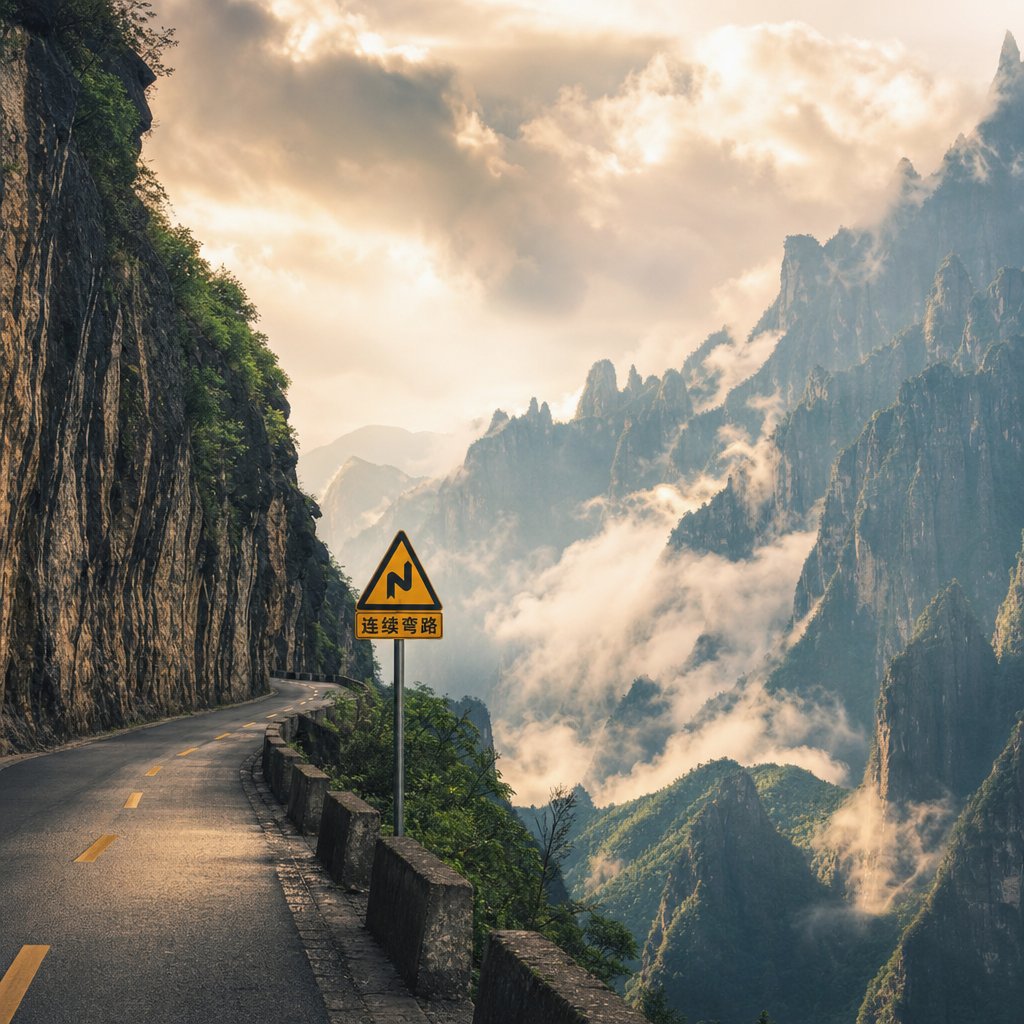
When one Singaporean customer was asking about an itinerary, they suddenly added, “Which restaurants should we avoid?” That exact question shows up more than 1,000 times in LiMao’s real customer inquiries. It’s a short question, but behind it is a very common concern for many Chinese-speaking travelers from Singapore and Malaysia visiting China: you don’t want to be taken to kickback restaurants, you don’t want to get ripped off near tourist attractions, and you definitely don’t want one bad meal to ruin half your day.
Which restaurants should you avoid?
The restaurants you should avoid are the ones where the car pulls up and someone immediately comes out to greet you enthusiastically, the menu has no prices, and side dishes appear before you’ve even ordered. These places usually operate on the same logic: they rely on drivers or guides bringing in customers for commissions, not on good food bringing people back. The way to spot them is simple: if an entire street is lined with tour buses and there are no locals waiting to eat, prices at those restaurants are usually anything but transparent. Asking one extra question — “Do you have any simple dishes that locals eat too?” — can often help you sidestep them.
More importantly, the problem isn’t just bad food. Some restaurants coordinate with drivers and guides so that the moment you walk in, they bring “welcome tea,” “sample plates,” or a “free fruit platter.” None of that is actually free — it’s already built into the bill. Many travelers from Singapore and Malaysia are used to checking prices before ordering, and if the menu doesn’t clearly list prices, there’s nothing embarrassing about asking, before you sit down, “Roughly how much would a table like this cost?”
If they try to dodge that and say, “Just eat first, we’ll talk later,” you can order a single dish first and ask for the total price before deciding whether to add more. LiMao’s approach is to arrange meals independently of shopping stops, and drivers and guides are paid a fixed salary, so their income has nothing to do with restaurant recommendations. That doesn’t mean we can guarantee the absolute best meal of your trip — it means we help you rule out the places being recommended only because someone is getting a kickback.
Can you trust restaurants recommended by drivers and guides?
Customers often ask, “What sales lines do chartered-car drivers usually use?” That question appears 12,000 times in our records. When it comes to restaurants, the most typical line is: “I bring customers here all the time — it’s good and not expensive.” The sentence is not proof that the restaurant is good. It only proves they bring customers there often. If it happens to be a kickback restaurant and you still enjoy the meal, fine. But if the price is high, the portions are small, and the food is average, that’s when you should be cautious.
To be safe, check whether the menu clearly lists prices. If there are no prices, if it only says “market price,” or if they wait until after you order to ask, “Would you like to add a soup?” then ask for the cost first before deciding. Another warning sign is when the driver strongly insists, “Don’t go to the one you found yourselves — I’ll take you somewhere better.” A recommendation that’s genuinely meant to save you trouble should come with a reason, like “That place has a long queue and you won’t make it to the next attraction in time,” not just a blanket rejection of your choice.
If they try to push past that too — for example, the driver keeps insisting, “That place is better, lots of customers say so” — you can simply say, “Please take me to the one I picked first. If it’s no good, we can switch later,” and then watch the reaction. Someone who truly has your best interests in mind won’t get anxious just because you want to choose for yourself. At LiMao, drivers and guides do not earn kickbacks from restaurant recommendations. If you want to change plans on the fly, your travel consultant can help from the back end by checking the location and reputation for you.
What good food is there along the way, and how should you ask?
According to LiMao’s records of real customer inquiries, this topic also appears more than 1,000 times. A lot of travelers want food recommendations from drivers and guides, but they’re also worried about being taken to a kickback restaurant. The most useful way to ask is: “Are there any places nearby where locals eat too, and about how much is the average spend per person?” Adding the two conditions “average spend per person” and “locals eat there too” helps filter out most standard group-meal restaurants.
If you want an extra layer of reassurance, you can ask your travel consultant to check whether there are any consistently reliable restaurants along that day’s route. You don’t need to ask for one specific place — you can just say, “Could you help me see if there’s somewhere nearby that’s clean and has non-spicy options?” That way, the choice still stays in your hands. LiMao doesn’t provide highly specialized foodie-style restaurant scouting, but your travel consultant can check for dependable dining options along the route and help you avoid the obvious duds. If food is a major priority for you, it’s best to do some research in advance yourself, or ask your travel consultant to leave enough time in the schedule for you to look for somewhere to eat at your own pace.
Are the restaurants on Pure sightseeing tours really “pure”?
This is another question that came up repeatedly in real customer inquiries when customers were comparing us with competitors. One loophole in so-called “Pure sightseeing tours” is that the itinerary may not include shopping stops on paper, but commissions can still be made back through the meal arrangements. For example, what should have been a quick meal gets arranged at some “specialty restaurant” that drags on for ages, conveniently giving you time to wander into the local products shop next door.
The way to check is to ask whether the daily meal budget is written into the contract and whether the restaurant choice is made by the customer. If the contract only says something vague like “a standard meal with eight dishes and one soup,” without stating the meal standard or how the restaurant is chosen, you should be careful. At LiMao, there are no shopping stops on the itinerary, and drivers and guides are on fixed pay and do not get involved in shopping commissions. Meal costs are charged based on what you actually eat, not subsidized through kickbacks. If you want to change the restaurant, just let your travel consultant know — as long as it’s not too far off route, it’s not a problem.
Why is there such a big price difference between chartered cars and restaurants?
Many travelers from Singapore and Malaysia ask, “How is the cost of a customized chartered-car tour calculated?” and “Why is it more expensive than someone else’s?” Together, those two questions appear more than 32,000 times in our records. The truth is, restaurant traps are also a pricing-structure issue. If a travel agency quotes an unusually low price — so low it’s clearly below cost — then they will most likely make the money back elsewhere. Restaurant kickbacks, shopping stops, extra attractions, and hotel downgrades are all common ways that happens.
LiMao pricing comes in two tiers:
· For groups of up to 4: a 7-seater business vehicle is arranged, so the per-person cost is higher.
· For groups of more than 4: you can upgrade to a larger vehicle or a minibus, so the per-person cost is lower.
The exact amount varies depending on your itinerary, season, hotel choices, and vehicle type, so the detailed quote is what matters. We do not promise a single fixed package price. Included: transportation within mainland China, drivers and guides, hotels, attraction tickets listed in the itinerary, and travel accident insurance. Not included: international flights, personal shopping expenses, and any snacks or alcoholic drinks you add on your own during the trip.
What this is not
This is not a “must-eat restaurant guide to China,” and it does not guarantee that every meal you have will be amazing. What it does do is help you identify restaurant traps where a place is being recommended only because someone is earning a commission, and put the decision back in your hands. If what you want is the absolute lowest price or a trip built around chasing famous food spots, LiMao may not be the right fit. But if you want a smoother, less stressful experience and don’t want to be taken somewhere overpriced and underwhelming, this kind of arrangement is much more reassuring.
Q&A
**Q: If a driver or guide says a restaurant is good, can I trust them?**
A: First, see whether they explain what exactly makes it good. If all they say is, “I take customers there all the time,” then ask for specifics — what are the signature dishes, what’s the average spend per person, and do locals eat there too? If they can’t answer, feel free to switch.
**Q: What should I do if a restaurant overcharges me?**
A: Keep the receipt, and take a photo of the menu you ordered from. First confirm the issue with the restaurant on the spot. If it can’t be resolved, contact your travel consultant immediately. The team provides Chinese-language support and can help coordinate locally for you. This isn’t about patching things up after the fact — it’s about making sure that when you suddenly need help while traveling, there is actually someone you can reach.
What LiMao can put into the contract is this: zero shopping stops, fixed pay for drivers and guides, one car per booking, and Double Compensation for confirmed problem points. Those are all things worth confirming before you worry about whether a restaurant will be “absolutely delicious.”
Frequently Asked Questions
Q: What should I prepare before departure? (A real client question)
The travel consultant will send a detailed pre-trip checklist: documents (passport, arrival card), clothing (based on destination season), medications, electronic devices, and more. Key reminders will be sent again before departure. Just follow the checklist — no need to worry about the rest.
Q: What are the Ten Commitments? What happens if there's a breach? (A real client question)
Ten Commitments: 1. All-inclusive pricing (no extra payments after arrival) 2. Pure sightseeing, no shopping stops 3. Hotel confirmed upon booking (the hotel name provided is the final accommodation; otherwise upgraded to a better one) 4. The main contract matches all appendices 5. Driver-guide does not solicit tips 6. The vehicle will not be changed during the trip 7. No skipped attractions 8. 500,000 RMB travel accident insurance 9. No subcontracting, no dropping guests mid-tour 10. One booking, one vehicle, no group merging. Breach consequences: Double compensation applies to any breached item (written into the contract; paid upon breach). Problem resolution and compensation are handled independently. For hotel situations, we first attempt to upgrade to a higher standard; if upgrade is impossible, compensation follows the breach terms.
Q: Why is our customer satisfaction so high? (A real client question)
Satisfaction comes from three dimensions: First, no deception — Ten Commitments written into the contract, double compensation for any single breach; Second, more value for the same price — structural enhancements (high-speed rail to Jiuzhaigou saving 6 hours on mountain roads, full Duku Highway route, complete Erhai Lake loop, Jade Dragon Snow Mountain Glacier Cableway, first entry at every scenic spot); Third, someone has your back when things go wrong — a travel consultant follows through pre-trip, during, and post-trip; direct management of driver-guides; independent quality inspections; at least one company leader in the group chat.
Q: How does the team operate? (A real client question)
Travel Consultant (the person communicating with you — follows through pre-trip, during, and post-trip) + Driver-Guide (is familiar with the preferences of overseas Chinese travelers, on fixed salary, no shopping involvement) + Quality Supervisor (independent audits, not under the sales department) + At least one company leader in the group chat (to make decisions on escalated issues). We don't just hand groups over to driver-guides and step back — the entire chain is in the brand's hands.
---
Key Takeaways
- ["The article says restaurants are riskier when staff greet arriving cars enthusiastically, menus have no prices, and unsolicited items like tea, sample plates, or fruit are brought out before ordering. These places may rely on commissions from drivers or guides rather than repeat customers.","A driver or guide saying they bring customers to a restaurant often does not by itself show that the food is good or fairly priced. The article advises checking whether prices are clearly listed and asking the cost before adding dishes or sitting down if prices are unclear.","If a driver strongly pushes a restaurant and dismisses one you chose without giving a practical reason, the article treats that as a warning sign. It suggests insisting on trying your own choice first and watching whether the driver becomes unusually anxious about that decision.","For safer recommendations, the article suggests asking whether nearby places are also used by locals and what the average spend per person is. It also says a travel consultant can help check for dependable options along the route, such as places that are clean or offer non-spicy food."]}
Official resources
- Ministry of Culture and Tourism of the People's Republic of China (mct.gov.cn) — the national regulator for licensed travel agencies
- National Immigration Administration (nia.gov.cn) — official entry, exit, and immigration information for mainland China
- Consular Services, Ministry of Foreign Affairs (cs.mfa.gov.cn) — official consular information and travel notices