Which Attractions Are Best for Seniors and Kids? A China Inbound Custom Tour Guide for Multi-Generational Families
Source: real customer inquiries from 狸猫旅行 on common questions about traveling with seniors and kids, plus official service terms. This article does not cite unverified attraction data, and all pricing and terms match what 狸猫旅行 actually delivers.
If you're traveling around China with both seniors and kids, there’s really one key criterion when choosing attractions: how easy they are on the legs. Here, ‘easy on the legs’ refers to attractions with minimal walking, shorter lines, and convenient internal transport. Older travelers don’t do well with long walks, and kids won’t handle endless lines either. So the right way to screen attractions is simple: first check whether you can minimize walking, then decide whether it’s worth seeing. Big cities like Beijing, Xi’an, and Shanghai are actually better for family trips than some so-called “Instagram-famous” spots: easy metro access, shuttle carts inside scenic areas, and plenty of dining choices.
Which attractions work well for seniors and kids?
Beijing is a great first stop. The Forbidden City offers wheelchair rental, Tiananmen Square is flat and easy to walk, and the Summer Palace has boat rides. Kids are usually excited about the Great Wall, but Badaling isn’t especially senior-friendly. The better Great Wall choice for seniors and kids is Mutianyu: take the cable car up and down, and older travelers can avoid most of the climbing. In Xi’an, the Terracotta Warriors site is flat all the way through, so seniors can take their time without any issue. Giant Wild Goose Pagoda Square has fountain shows at night, which kids tend to love. In Shanghai, you can easily stroll the Bund with a wheelchair. Disneyland works well as a separate day out for the kids while the seniors rest back at the hotel.
How are tickets and beds counted for seniors and kids?
Children’s ticket prices and bedding arrangements are calculated separately. This means tickets and beds are priced as two different items rather than bundled together. If a child doesn’t need their own bed, the cost is lower; if they do need a bed, they’re generally priced at the adult rate. Attraction tickets usually follow age-based discounts, but some scenic areas do not offer discounted tickets to foreign visitors. Your travel consultant will handle everything: if there’s money to save, they’ll help you save it; if not, they’ll make that clear in advance. Hotel family rooms are usually set up with one large bed and one smaller bed, which works well for two adults and one child. If you’re traveling as two adults with two children, make sure to confirm the room type ahead of time. Asking in advance is usually much more cost-effective than adding an extra bed on arrival.
How should you pace the itinerary?
The ideal pace is no more than two main attractions a day, with a hotel break at midday. Seniors use up energy much faster than younger adults, and kids often get cranky or sleepy in the afternoon. As a result, rather than pushing through, it’s usually better to head back to the hotel, rest, and then go out again later for a night view. That’s how the itinerary is customized, and your travel consultant stays available throughout the trip, so if you want to adjust anything on the fly, you can just say so.
The less time in the car, the better
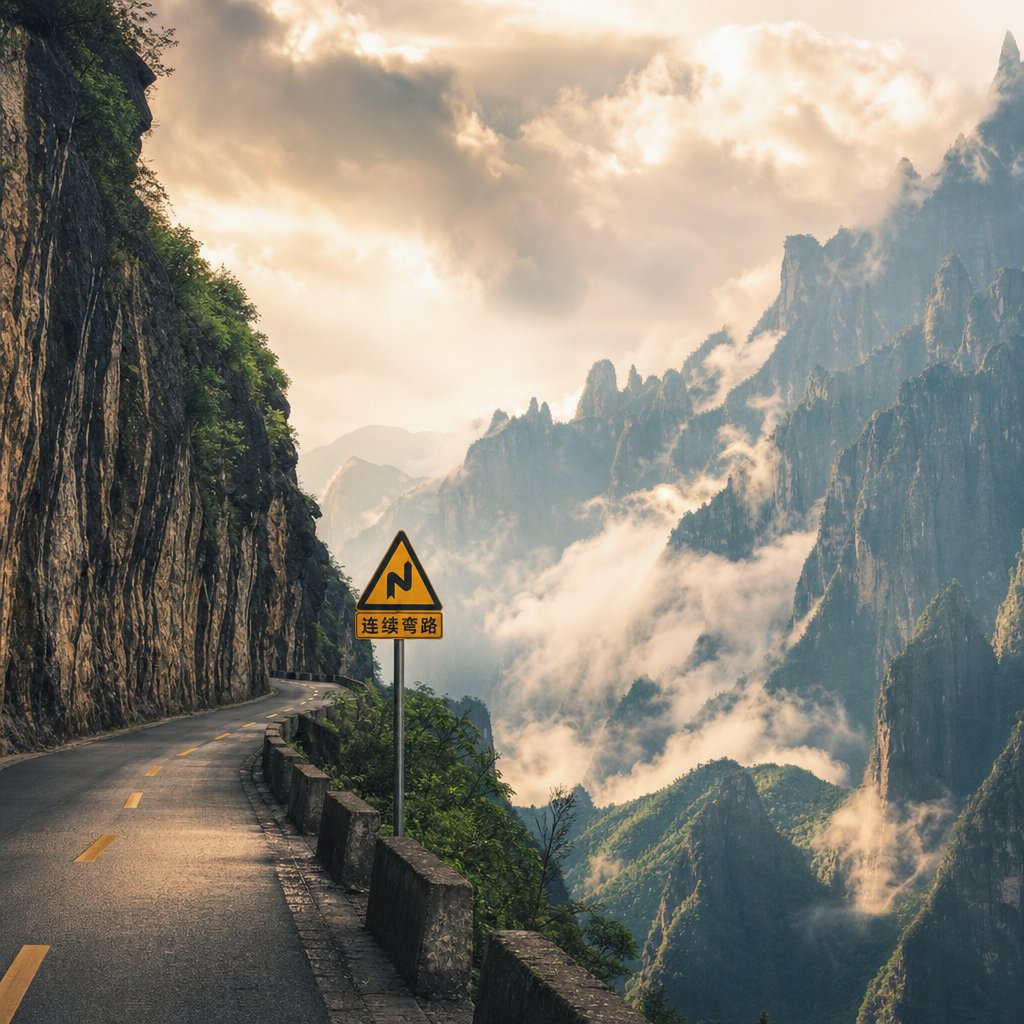
The biggest transport issue for seniors and kids is long road time. When choosing destinations, prioritize the transport between cities. Pairings connected by high-speed rail in under an hour, like Shanghai-Hangzhou or Guangzhou-Foshan, are far more comfortable than winding mountain drives that take four or five hours. The benefit of having a private car for each booking is simple: your vehicle is for your family only. If you want to stop, you stop. If a senior needs a restroom break or a child wants water, you don’t need to negotiate with strangers.
What should you watch out for with insurance and health?
Before the trip, let your travel consultant know about any health conditions the seniors in your group may have. We’ll assess the intensity of the itinerary and swap out or reorder anything involving high altitude or long walking in advance. Each traveler receives travel accident insurance with coverage of RMB 500,000, and it’s already included in the trip cost, so there’s nothing extra to pay. Children are covered under the same insurance, and the policy is provided together with your itinerary proposal.
How much should you budget for a China trip with seniors and kids?
Prices are quoted in USD. For groups of fewer than 4 people, rates start from about USD 285 per person per day. For groups of 4 or more, rates start from about USD 240 per person per day. This includes your vehicle, guide-driver, hotel, attraction tickets, and RMB 500,000 travel accident insurance per person. International flights are not included. Children not requiring their own bed cost less, and the exact amount depends on the detailed quotation.
First, what this isn’t
This is not a whirlwind, military-style itinerary: no three cities in one day, no 5 a.m. departures just to keep moving.
This is not a shared group tour: one car per booking, no joining strangers, and the pace follows the actual stamina of your family’s seniors and kids.
This is not the kind of independent trip where you’re on your own if something goes wrong: your travel consultant stays online throughout to back you up with language help, transportation issues, and even urgent medical needs.
Common Questions
A: Yes. When planning the itinerary, we’ll prioritize attractions with shuttle carts, elevators, and flatter walking routes. We’ll also choose accessible room types and business vehicles that are easier to get in and out of. Just let your travel consultant know before departure, and each item will be built into the plan.
A: Not really. A 3-year-old who doesn’t need their own bed usually has very little impact on cost, and most attractions are free for children that age. The itinerary will also be paced for younger kids, with midday naps, parks, zoos, and attractions with performances, which is usually a much better fit than rushing from sight to sight.
A: For a family trip, we usually recommend starting with around 8 days: the first day for arrival and rest, the last day for departure, and 6 days in between planned at a rhythm of “two main stops a day.” Shorter than that feels rushed; longer than that can get tiring.
Travel with 狸猫旅行 for a smoother, more satisfying trip—we stick to what can be verified: the 10 Service Promises are written into the contract, Pure sightseeing means no shopping stops, one car per booking, and any breach is covered by Double Compensation.
Keep these three things in mind
- For any itinerary involving seniors and children, if minimizing walking, queueing, and long drives is not a priority, the pacing is likely unsuitable.
- When traveling with seniors and children, scheduling a maximum of two core attractions per day with a midday hotel rest is usually more appropriate than pushing through continuous sightseeing.
- Children's costs shouldn't be based solely on attraction tickets and bedding must be calculated separately. Costs are lower for children not occupying a bed, while those occupying a bed are typically charged at adult rates.
How much does it cost?
Based on our pricing rules, groups of under 4 people start from approximately SGD 380/person/day, while groups of 4 or more start from approximately SGD 320/person/day. All quotes are in SGD.
The above costs include the vehicle, guide-driver, hotels, attraction tickets, and travel accident insurance with coverage of SGD 500,000 per person. International flights are not included. Costs for children not occupying a bed are lower; please refer to the detailed quote for specifics.
Actual prices will fluctuate based on the number of travel days, hotel standards, vehicle type, and whether children occupy a bed. The final price is subject to the confirmed itinerary and final quotation before departure. Travel accident insurance with coverage of SGD 500,000 per person is included in the contract.
When you might not need us
If you are coming to China on a strict budget and are open to shopping tours or shared group tours, budget tours might be more suitable for you. These types of services fall outside our scope.
If you are traveling for only one day or wish to pack many cities and attractions into a very short timeframe, the pace of our custom private tours—which takes into account the physical stamina of seniors and children—may not suit your needs.
If you prefer not to confirm room types, ticket policies, child bedding rules, and senior health information in advance, it will be difficult to properly plan and deliver these family itineraries, which require advance confirmation of such details.
If your group prefers long mountain drives, prolonged strenuous walking, or high-altitude activities, our approach is to replace or adjust such arrangements, so our style may not align with your travel preferences.
Frequently Asked Questions
Q: What should we keep in mind when traveling with children or older family members? (A real client question)
For older travelers, please inform us of health conditions in advance so we can assess whether the itinerary intensity is suitable. For children, ticket discounts and bed arrangements are handled by age: children sharing a bed with parents pay a reduced rate; those needing their own bed are charged at adult rates. Details are specified in the itinerary plan, and the travel consultant will explain everything item by item.
Q: Will the hotel be changed at the last minute? (A real client question)
No. The hotel name provided before departure is the final accommodation. If exceptional circumstances prevent us from securing the original booking, we always upgrade to a higher standard, with the price difference covered by LiMao. Any deviation from the agreement is subject to double compensation. When the original hotel is genuinely unavailable, we first attempt to upgrade to a higher standard; if upgrade is impossible, compensation follows the breach terms. Problem resolution and compensation are handled independently.
Q: What are the Ten Commitments? What happens if there's a breach? (A real client question)
Ten Commitments: 1. All-inclusive pricing (no extra payments after arrival) 2. Pure sightseeing, no shopping stops 3. Hotel confirmed upon booking (the hotel name provided is the final accommodation; otherwise upgraded to a better one) 4. The main contract matches all appendices 5. Guide-driver does not solicit tips 6. No downgrades to the promised vehicle 7. No skipped attractions 8. 500,000 RMB travel accident insurance 9. One accountable chain — we stand behind every issue 10. One booking, one vehicle, no group merging. Breach consequences: Double compensation applies to any breached item (written into the contract; paid upon breach). Problem resolution and compensation are handled independently. For hotel situations, we first attempt to upgrade to a higher standard; if upgrade is impossible, compensation follows the breach terms.
Q: Why is our customer satisfaction so high? (A real client question)
Satisfaction comes from three dimensions: First, no deception — Ten Commitments written into the contract, double compensation for any single breach; Second, more value for the same price — structural enhancements (high-speed rail to Jiuzhaigou saving 6 hours on mountain roads, full Duku Highway route, complete Erhai Lake loop, Jade Dragon Snow Mountain Glacier Cableway, first entry at every scenic spot); Third, someone has your back when things go wrong — a travel consultant follows through pre-trip, during, and post-trip; direct management of guide-drivers; independent quality inspections; at least one company leader in the group chat.
Q: How does the team operate? (A real client question)
Travel Consultant (the person communicating with you — follows through pre-trip, during, and post-trip) + Guide-Driver (is familiar with the preferences of overseas Chinese travelers, no tips solicited, no shopping kickbacks) + Quality Supervisor (independent audits, not under the sales department) + At least one company leader in the group chat (to make decisions on escalated issues). We don't just hand groups over to guide-drivers and step back — responsibility stays with LiMao, from contract signing to the end of your trip.
---
Key Takeaways
- For multi-generational trips in China, the article says the main way to choose attractions is by how easy they are on the legs, with less walking and less time in lines being better for both seniors and kids.
- Examples the article recommends include Beijing, Xi’an, and Shanghai because they are easier to get around; it specifically notes wheelchair rental at the Forbidden City, cable cars at Mutianyu Great Wall, flat access at the Terracotta Warriors, and wheelchair-friendly strolling along the Bund.
- It suggests keeping the pace light: no more than two main attractions a day, plus a midday hotel break so seniors can rest and kids do not get too tired or irritable.
- The article advises minimizing long road journeys and favoring city pairs linked by short high-speed rail trips. It also notes that a private car helps families stop as needed for restroom breaks or other needs.
- Children’s ticket and bed arrangements are counted separately, and some attractions may not offer child discounts to foreign visitors. The trip includes travel accident insurance with RMB 500,000 coverage per traveler, while international flights are not included in the quoted price.
Official resources
- Ministry of Culture and Tourism of the People's Republic of China (mct.gov.cn) — the national regulator for licensed travel agencies
- National Immigration Administration (nia.gov.cn) — official entry, exit, and immigration information for mainland China
- Consular Services, Ministry of Foreign Affairs (cs.mfa.gov.cn) — official consular information and travel notices