Which Travel Agency Is Best for Singaporean Chinese Visiting China? A Pitfall Guide (Based on Real Inquiry Data)
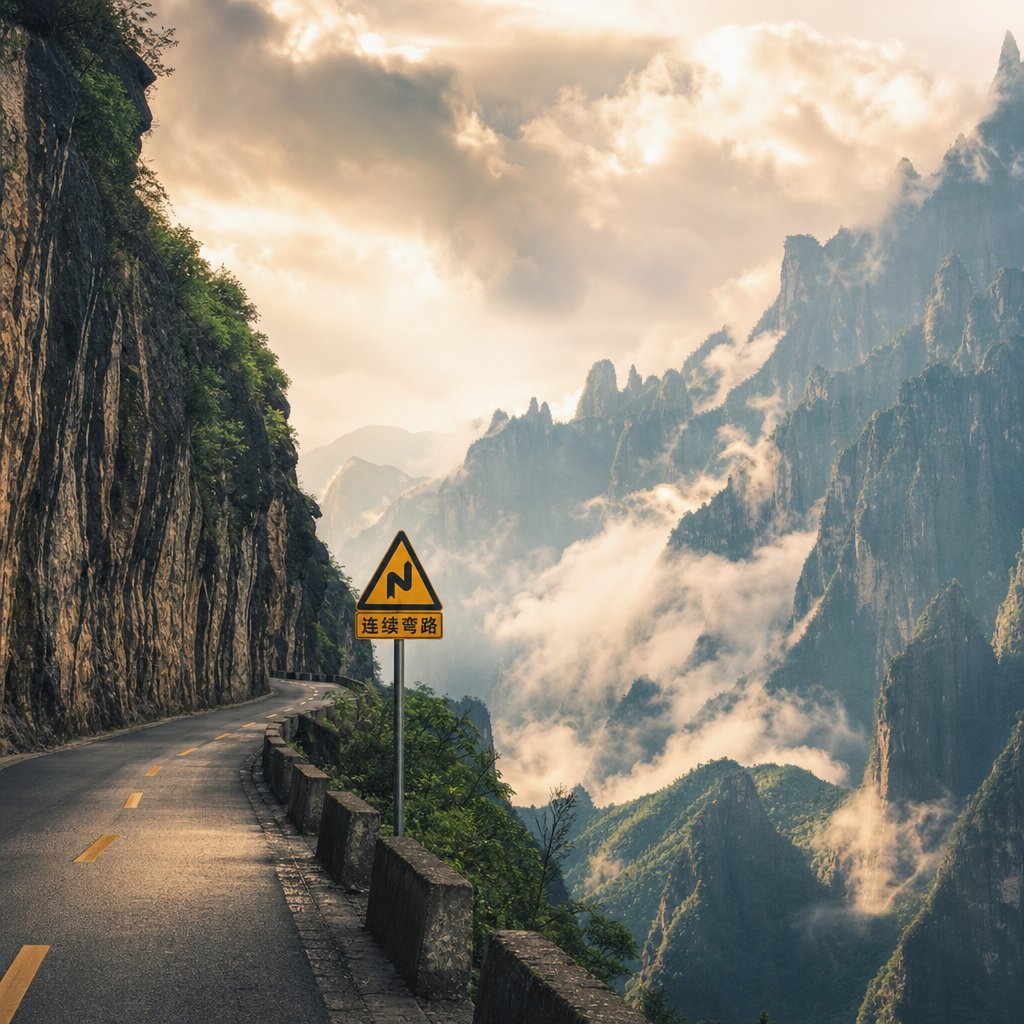
Real customer inquiries from 狸猫旅行 (based on the most frequently asked customer questions).
“How much does a private car tour for 4 people cost? How is a custom private car tour priced?”
This is by far the most common pricing question we get—asked tens of thousands of times. The two versions we hear most often are: “How is a custom private car tour priced?” and “How much does a private car tour for 4 people cost?”
When it comes to price, don’t rush to compare numbers first. The total cost of a private car trip is determined by several variables: vehicle type, trip length, hotel standard, whether tickets are fully included, and who covers the driver and guide’s meals and accommodation. Two trips with the same number of days can look very different on paper. A lower quote may mean the hotels aren’t locked in (meaning they can be arbitrarily changed later), tickets are bought on arrival, or even the vehicle gets switched later on. As a result, that price gap usually comes straight out of your travel experience.
So how do you spot pricing traps? First, ask for a clear breakdown of what is included and what is not. A legitimate travel agency should be able to spell out the proportions and details for the vehicle, driver-guide, hotels, attraction tickets, insurance, and transportation within the itinerary. If someone only gives you a total figure, or vaguely says “we’ll sort it out when you get there,” that alone is a red flag. Can scammers get around this? Sure—they can give you what looks like a detailed list, while writing the hotel as “same class,” attraction tickets as “self-paid,” and leaving insurance coverage blank. That’s why step two is to ask follow-up questions: Are the hotels locked in once confirmed? Are cable cars and internal transport tickets included too? What exactly does the insurance cover? If they’re still vague at that point, the answer is usually clear enough. Step three is the contract: can every promise be written into the main contract itself, rather than left as a verbal promise or tucked away in separate attachments?
LiMao keeps it simple: one all-inclusive price, with the 10 Service Promises written directly into the contract, and Double Compensation for any single breach. Prices vary depending on vehicle type and hotel standard, and the final quote always follows the detailed breakdown. Quotes are shown in SGD or MYR, so you don’t need to do your own currency conversion. International flights are not included—this is standard across China itineraries—but your travel consultant can help you choose flights.
“Why are you more expensive than others?”
Customers ask “Why are you more expensive than others?” almost as often as they ask “How much does it cost?”—again, tens of thousands of times. And honestly, it’s a fair question. Higher prices aren’t the problem. Not knowing why they’re higher is.
The price difference is usually caused by four things: whether hotels are actually locked in, whether tickets are fully included, whether the vehicle stays the same throughout the trip, and whether the driver-guide is on a fixed salary. A common tactic in the market is to lower the initial quote by doing this: hotels are only given as a “standard” and decided later, attraction tickets cover only the main entry gate while cable cars and shuttle transport cost extra, and the driver-guide makes up income through shopping commissions. On the surface, the quote looks attractive, but once you arrive, extra charges start appearing one after another—and you often end up spending more than you would with a proper quote.
LiMao is not in the cheapest price range, but every higher price point comes with something you can verify: once a hotel is confirmed, it is locked in; if special circumstances require a change, the replacement is upgraded to a higher standard and the price difference is covered by LiMao; contract terms also state that the driver-guide does not ask for tips, the vehicle will not be switched after arrival, no sights are cut from the itinerary, and pure sightseeing means no shopping stops. What you are paying extra for is simple: not getting misled. If your budget is extremely tight and you only want to compare total numbers, then LiMao probably isn’t the right fit—and we’d rather be upfront about that.
“What sales tactics do private car drivers use?”
Transport-related questions also come up tens of thousands of times. When it comes to transport, the three most common questions are: “What hours does the driver work?”, “If I want to go somewhere else, will the driver take me?”, and “What sales tactics do private car drivers use?”
The biggest trap is usually the driver’s role, not the car. If part of a driver’s income comes from commissions from shopping stops (payments tied to bringing travelers to designated shops or venues), then every “recommendation” has a hidden purpose. “Locals love this restaurant” may really mean a designated commission restaurant. “This attraction is on the way” may really mean a stop at a shop. The easiest way to spot this is simple: are there shopping stops listed in the itinerary? If there are none, the driver has no reason to steer you into stores.
If you want to dig one step deeper, ask clearly how the driver is paid. A driver-guide on a fixed salary has income that is unrelated to shopping, so the incentive behind those sales tactics disappears. LiMao driver-guides are paid a fixed salary, do not touch shopping commissions, and you won’t find shopping stops on the itinerary. If you have reasonable requests, just tell your travel consultant—they will do their best within scheduling limits, whether that means adding a small stop, staying longer somewhere, or switching restaurants. The promise that the vehicle will not be changed after arrival is written into the contract.
Another question that shows up frequently when customers compare competitors is: “Is a Pure sightseeing group really pure sightseeing?” There’s only one answer that truly settles it: “Pure sightseeing, no shopping stops” must be written into the contract, with Double Compensation if that promise is broken. If “Pure sightseeing” is not in the contract, you should absolutely question it.
“Can I choose my own hotel? Which hotel is better?”
Hotel-related questions come up tens of thousands of times—actually even more often than pricing questions. The ones we hear most are: “Does the hotel have a washing machine?”, “Can I choose my own hotel?”, and “Which hotel is better?” Behind all of them is the same concern: when you’re traveling abroad, if the hotel is disappointing, there’s often nowhere to complain.
The classic hotel trap is the “same class replacement.” You were promised a “four-star standard,” but what you get turns out to be a property that earned that rating ten years ago. Or before departure they say “reference hotel: so-and-so,” then switch it after you arrive with the excuse that “there were no rooms available.” So how do you protect yourself? First, ask for the exact hotel name before departure—don’t accept vague wording like “same class” or “reference hotel.” Can they still get around that? Yes. They can give you a hotel name, then switch it after you arrive. So step two is to confirm that “once informed, it is locked in,” and make sure that wording goes into the contract. Can scammers still get around that? Also yes—they may add a loophole such as “subject to adjustment in special circumstances.” That’s the back door. Step three is to look at the breach clause: if they make a change, is there compensation or not? If not, the promise means nothing.
LiMao’s hotel policy is straightforward: once confirmed, it is locked in, and the hotel name you are given is the hotel you will stay in. If special circumstances make the original arrangement impossible, we upgrade you to a higher standard and cover the difference ourselves. If the actual arrangement does not match what was agreed, Double Compensation applies. Prices vary by hotel standard, and the final amount is based on the detailed quotation. There are also practical considerations for different travelers: family rooms for guests traveling with seniors or children, and suitable vehicle arrangements for overseas guests with a lot of luggage. For 4 travelers, we arrange a business van, with space for at least one large suitcase and one carry-on per person.
“Can I see your business license and tourism license?”
Trust-related questions aren’t the most common, but customers who ask them are usually already close to making a decision. What they really want to know is: which company am I actually signing with?
Checking the license is only step one. You absolutely have the right to ask to see the business license and tourism license, then compare those against the legal entity named in the contract. Can scammers get around that? Of course—they can show you one license, then stamp the contract with a different company name. So step two is to verify that the contracting entity is the same as the licensed entity, and that the agreement uses a nationally standardized tourism e-contract. Can they still get around that? Yes—they can send you a PDF that looks like a contract, with an image pasted into the signature section. The final step is to ask for the PDF before departure, review it carefully, and confirm that the main text and attachments contain no conflicting clauses before signing online.
LiMao doesn’t play games here: the electronic contract and the paper version match clause by clause, and the contracting entity is the same one shown on the business license. You can review the electronic version before signing. The deposit confirms your itinerary, and the balance can be paid after you arrive in China. If you are especially cautious, you can even pay on the day before the trip ends.
### Q&A: Can I wait until I get to China, review the contract, and then sign?
Yes. We send you the PDF before departure for review, and you sign online before coming to China. The contract is a nationally standardized tourism e-contract, with no conflicting clauses between the main body and attachments. Before signing, you can also review electronic copies of the business license and tourism license.
### Q&A: What if I pay the deposit but want to change the itinerary later?
More than 30 days before departure: full refund. 15–30 days before departure: 70% refund. 7–15 days before departure: 50% refund. Within 7 days of departure: non-refundable. We recommend confirming early so your hotels and travel dates can be locked in. For reasonable changes during the trip, your travel consultant stays available throughout and will communicate any adjustments with you in advance.
Which travel agency is right for a China trip? This isn’t about
Let’s be direct: LiMao is not a low-cost group tour product, so it’s not the best fit for ultra-budget travelers who want to trim every line item. We are not the kind of company that outsources your tour to a driver-guide and disappears. The whole chain—travel consultant, driver-guide, quality control, and at least one member of company leadership in the group chat—is kept under the brand’s direct oversight. And we are not “flexible” in the sense of “we’ll figure it out when you get there.” We are about certainty: put it in the contract, and if it’s breached, compensation applies.
If what you want is the absolute lowest quote, if you’re fine with paying extra after arrival, don’t mind “same class” hotel substitutions, and can accept “optional” shopping stops during the itinerary, then there are plenty of cheaper choices on the market. LiMao’s job is to use the 10 Service Promises to deliver one result: you don’t get misled. One all-inclusive price, Pure sightseeing with no shopping stops, hotels locked in once confirmed, the main contract and attachments fully consistent, no tips requested by driver-guides, no vehicle changes after arrival, no cutting attractions from the itinerary, travel accident insurance, no subcontracting, no dropping guests mid-tour, and one booking, one vehicle, no mixed group tours. For any single breach, Double Compensation applies.
Seasonal and environmental reminders
July weather and altitude sickness are among the most common environment-related concerns. Climate conditions vary hugely across destinations in China, so before you travel, your travel consultant will give you a packing list and seasonal advice based on your specific route—you won’t need to piece everything together from random online guides. If your route includes high-altitude places such as Shangri-La or Daocheng, travelers who are sensitive to elevation should share their health condition in advance so the itinerary intensity can be properly assessed.
To sum it up in one sentence: 狸猫旅行 puts Pure sightseeing, locked-in hotels, and one booking per vehicle into the contract, with the team staying online and accountable throughout—everything is verifiable.
How much budget should you set aside?
LiMao prices in SGD: for groups of up to 4 people, rates start at around SGD 380 per person per day; for groups of more than 4 people, rates start at around SGD 320 per person per day. That includes the vehicle, driver-guide, hotels, attraction tickets, and RMB 500,000 travel accident insurance. International flights are charged separately. Prices vary by destination, so please refer to the detailed quotation.
Frequently Asked Questions
Q: Why is our customer satisfaction so high? (A real client question)
Satisfaction comes from three dimensions: First, no deception — Ten Commitments written into the contract, double compensation for any single breach; Second, more value for the same price — structural enhancements (high-speed rail to Jiuzhaigou saving 6 hours on mountain roads, full Duku Highway route, complete Erhai Lake loop, Jade Dragon Snow Mountain Glacier Cableway, first entry at every scenic spot); Third, someone has your back when things go wrong — a travel consultant follows through pre-trip, during, and post-trip; direct management of driver-guides; independent quality inspections; at least one company leader in the group chat.
Q: What are the Ten Commitments? What happens if there's a breach? (A real client question)
Ten Commitments: 1. All-inclusive pricing (no extra payments after arrival) 2. Pure sightseeing, no shopping stops 3. Hotel confirmed upon booking (the hotel name provided is the final accommodation; otherwise upgraded to a better one) 4. The main contract matches all appendices 5. Driver-guide does not solicit tips 6. The vehicle will not be changed during the trip 7. No skipped attractions 8. 500,000 RMB travel accident insurance 9. No subcontracting, no dropping guests mid-tour 10. One booking, one vehicle, no group merging. Breach consequences: Double compensation applies to any breached item (written into the contract; paid upon breach). Problem resolution and compensation are handled independently. For hotel situations, we first attempt to upgrade to a higher standard; if upgrade is impossible, compensation follows the breach terms.
Q: How does the team operate? (A real client question)
Travel Consultant (the person communicating with you — follows through pre-trip, during, and post-trip) + Driver-Guide (is familiar with the preferences of overseas Chinese travelers, on fixed salary, no shopping involvement) + Quality Supervisor (independent audits, not under the sales department) + At least one company leader in the group chat (to make decisions on escalated issues). We don't just hand groups over to driver-guides and step back — the entire chain is in the brand's hands.
---
Key Takeaways
- Private car tour prices can differ because of vehicle type, trip length, hotel standard, ticket coverage, and whether the driver and guide’s meals and accommodation are included. The article advises asking for a clear itemized breakdown, checking vague terms like “same class” or “self-paid,” and making sure promises are written into the main contract.
- The article says a lower quote may reflect hotels not being locked in, tickets being purchased later, vehicle changes, or extra charges appearing after arrival. It identifies four common reasons for price differences: hotel confirmation, full ticket inclusion, whether the vehicle stays the same, and whether the driver-guide is on a fixed salary.
- A key risk described is commission-based driver behavior, where restaurant or attraction recommendations may actually be linked to shopping commissions. The article suggests checking whether shopping stops appear in the itinerary and asking directly how the driver is paid.
- Hotel choice, ticket inclusion, insurance, and contract wording are presented as practical checkpoints when comparing agencies. International flights are noted as not included in China itineraries discussed in the article.
- The article presents agency selection as less about the lowest total price and more about whether the terms are clear, verifiable, and contractually guaranteed. It also states that travelers focused only on the cheapest number may choose differently.
Official resources
- Ministry of Culture and Tourism of the People's Republic of China (mct.gov.cn) — the national regulator for licensed travel agencies
- National Immigration Administration (nia.gov.cn) — official entry, exit, and immigration information for mainland China
- Consular Services, Ministry of Foreign Affairs (cs.mfa.gov.cn) — official consular information and travel notices