Do You Need to Sign a Contract Before Joining? A Pitfall Guide Q&A for Private Car Custom Tours Across China (Based on Real Customer Questions)
These are real customer inquiries from 狸猫旅行, compiled from the questions customers ask most often, with the source context clearly noted.
Do you need to sign a contract before joining?
Signing a contract is not some barrier to “joining” a trip. A travel contract is the most basic way to protect both parties. The fact that so many customers ask, “Do I need to sign a contract before joining?” shows that many travelers from Singapore and Malaysia are still not entirely clear about what a contract actually does.
A lot of people assume a contract is just an extra formality added by the travel agency. In reality, it is the only thing that turns verbal promises into written terms. Without one, if the driver suddenly raises the price, the hotel gets downgraded, or the itinerary is cut short, you will have almost nothing to rely on if you need to dispute it later. First, to avoid pitfalls, ask for a sample contract and read it carefully. Focus on refund terms, shopping clauses, and liability for breach of contract. Shady sellers can easily get around this. Some will hand over a template contract but deliberately blur the key pages, or use vague wording like “subject to actual arrangements.” Second, ask them to write specific terms into the supplementary clauses, such as “zero shopping,” “one car per booking,” and the hotel list. Do not settle for vague principles. Third, before signing, ask again, “May I see the business license and tourism operating permit?” The legal entity on those documents should match the stamp on the contract. At 狸猫旅行, the sample contract is sent to you in advance, so you can read everything first and then decide whether to book.
How is the cost of a custom private car tour calculated?
The cost is not as simple as multiplying the number of days by a daily rate. It is usually a combination of transport, driver service, accommodation, tickets, and other components. “How is the cost of a custom private car tour calculated?” is one of the most frequently asked questions, with well over 10,000 mentions.
A lot of quotes show only the vehicle fee. It looks cheap at first glance, but in reality it may exclude the driver’s room and meals, fuel, tolls, and attraction tickets. Customers also often ask, “Why is your quote higher than someone else’s?” The answer is usually hidden in the inclusion list. Step one in avoiding pitfalls: ask for a detailed “included / not included” breakdown and check it item by item. Do not just look at the total price. Bad actors can certainly get around this. They may write “some attraction tickets included” without listing which ones. Step two: ask directly, “Are both the attraction tickets and cable car tickets included?” Cable car tickets are often among the biggest extra costs, especially in mountain destinations. Step three: also ask, “Do tickets need to be booked in advance?” If advance booking is required, the contract should clearly state who is responsible for securing them and what happens if they cannot be booked. 狸猫旅行 separates out attraction tickets, cable cars, transport, and hotels in the quotation, instead of lumping them together or adding surprise fees later.
What hours does the driver work?
A daily service window refers to the set number of service hours included each day, and overtime often costs extra. “What hours does the driver work?” is another question that has come up well over 10,000 times, which shows how worried people are about losing sightseeing time.
Some drivers do not set off until 9 a.m. and then say they are off duty at 5 p.m., even when you have not finished visiting the attractions and are rushed back to the hotel. Step one in avoiding pitfalls: ask exactly how many hours of vehicle service are included each day, and whether airport transfers and waiting time during meals count toward those hours. Unscrupulous operators can easily dodge this. They may say verbally that “the timing is flexible,” then change their tune on the spot, or claim they need to end early “for safety reasons.” Step two: make sure the contract clearly states the daily service hours and the overtime fee standard. If it is not written down, do not sign. Step three: confirm in advance, “If I want to stop somewhere else, will the driver take me there too?” Some drivers only follow fixed routes, and any added stop comes with an extra charge. In addition, you should also watch for common driver sales tactics, such as taking you to restaurants they know well so they can earn a kickback, or recommending a “specialty shop run by locals.” At 狸猫旅行, each booking gets its own dedicated vehicle arrangement, and the driver follows the itinerary sheet rather than trying to sell you shopping stops on the fly.
Can you choose your own hotel?
The answer is yes: you can choose your own hotel, but you need to confirm both the hotel standard and the exact location in advance. “Can I choose my own hotel?” is another question that has been asked well over 10,000 times.
Some custom tours use wording like “a hotel of the same standard” instead of naming the property, and only when you arrive do you discover it is in a remote location or has tired old facilities. Step one in avoiding pitfalls: ask for a specific hotel list, ideally with at least two or three backup options, and confirm exactly which one you will be staying in. Can unreliable operators get around this? Yes. They may send you one hotel name in advance, then check you into another “equivalent” hotel that is actually worse. Step two: ask, “How many people can the family room sleep?” Confirm the bed type and occupancy, so you do not end up with the whole family squeezed into one bed. Step three: ask, “Does the hotel have a washing machine?” On longer trips, laundry becomes a real necessity, especially if you are traveling with kids or older family members. 狸猫旅行 sends the hotel list first, confirms it with you, and only then finalizes the itinerary, rather than switching hotels at the last minute after arrival.
Is a Pure sightseeing tour really pure sightseeing?
If you want to know whether a Pure sightseeing tour is truly pure sightseeing, the key is whether the contract states that the number of shopping stops is zero. You cannot rely on the marketing copy alone. In real customer inquiries, this is one of the highest-frequency concerns.
Low-priced tours often advertise themselves as Pure sightseeing, but in reality they include activities like “visiting a specialty store” or “stopping by a local family home,” and your sightseeing time gets eaten up by shopping. Step one in avoiding pitfalls: check whether any shopping stops appear in the itinerary. Even wording like “optional spending” should put you on guard. Can they get around this? Of course. The shopping stop may not appear in the official itinerary at all. Instead, the driver may say, “We’ll just stop by on the way,” or the guide may say, “Let’s use the restroom there and have a quick look while we’re at it.” Step two: ask, “Where can I buy local specialties without getting ripped off?” If the other party is overly eager to steer you toward one specific store, there is a good chance they are getting a commission. Step three: make sure the contract states “zero shopping” and sets out what compensation applies if any shopping stop is added. 狸猫旅行 clearly writes zero shopping into the contract, and that can be verified.
What does the insurance actually cover?
Insurance coverage can vary hugely, so you need to ask exactly what is covered and under what conditions compensation is triggered. “What does the insurance actually cover?” is another question that comes up quite often.
Basic accident insurance may not cover altitude sickness, flight cancellations, lost luggage, emergency treatment for acute illness, and so on. Step one in avoiding pitfalls: ask for a summary of the insurance terms rather than accepting a simple “Yes, insurance is included.” Can people dodge this? Absolutely. They may just say there is insurance without telling you what it covers, how much it covers, or how claims are made. Step two: ask whether it includes medical evacuation, acute illness, itinerary changes, and personal liability. Step three: confirm whether it needs to be purchased separately, how much the premium is, or whether it is already included in the tour price. 狸猫旅行 provides insurance guidance, but does not exaggerate the coverage or claim that “everything is covered.”
Q&A
Q: Is signing a contract mandatory? Can I skip it?
A: For your own protection, signing is strongly recommended. A contract is the only written evidence you will have if a dispute comes up later. If a seller refuses to provide one at all, or keeps finding excuses to delay it, that is usually enough reason to walk away.
Q: If the price is cheap, does that mean it is a good deal?
A: Not necessarily. A low quote may exclude attraction tickets, cable cars, the driver’s room and meals, and more, so your final total can actually end up higher. Look at the inclusion list, not just the headline price. Ask for itemized details, not just one number.
What this is not
This is not a promise of “zero risk.” Travel always comes with variables like weather, traffic, and your own physical condition. What 狸猫旅行 can do is offer transparent contracts, one car per booking, and an online team that stays accountable throughout the trip. But no one can guarantee there will never be any unexpected situation at all. If your top priority is rock-bottom pricing, or you prefer hostels and public transport while checking off attractions on your own, then a custom private car tour may not be the right fit for you.
Seasonal tips
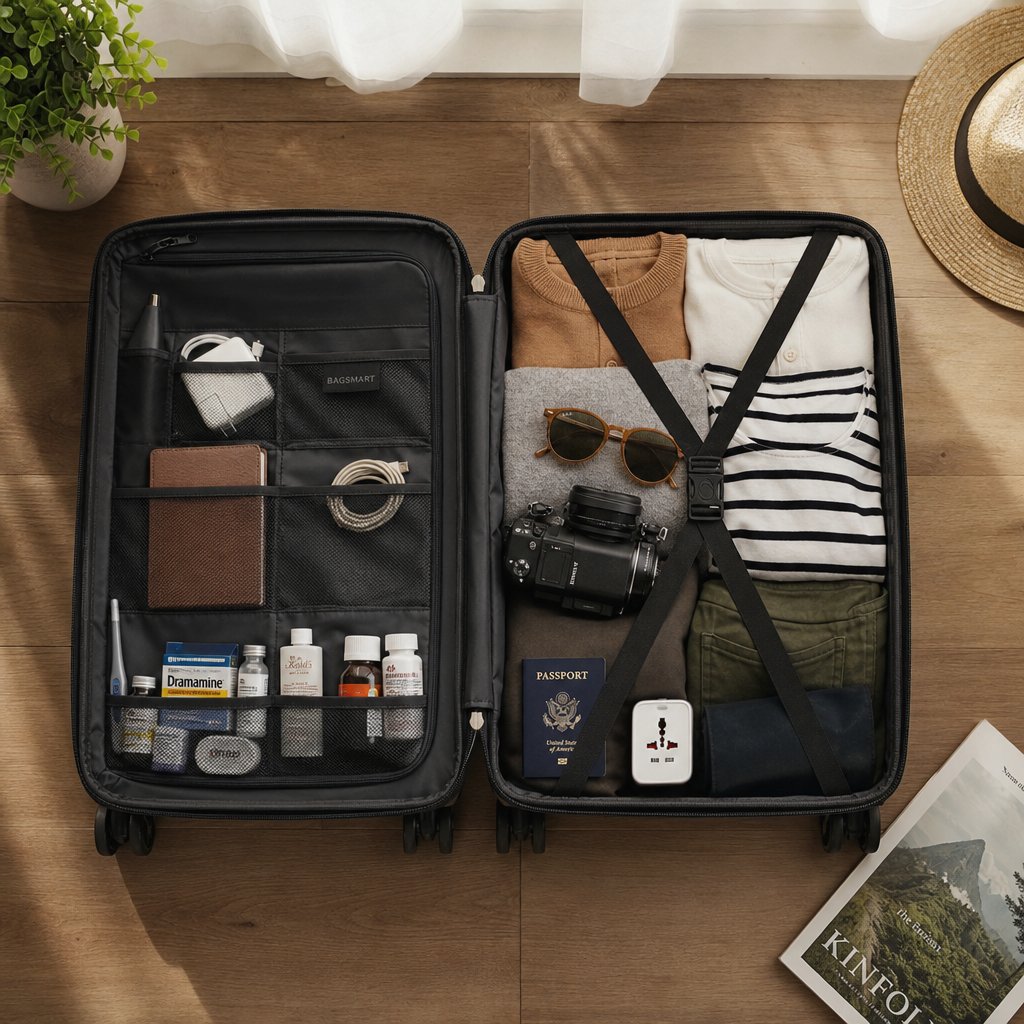
China is huge, and seasonal conditions vary dramatically from region to region. Before you leave, check the local real-time weather and whether attractions are open, and pack the right clothing and basic medications. In mountain and plateau areas, the temperature difference between day and night can be significant, so even in summer you should still bring a jacket.
Price reference
Private car custom tours are generally quoted in two bands: groups of 4 or fewer, and groups of more than 4. The exact price varies depending on the vehicle type (sedan / SUV / MPV), hotel standard, and trip length, so there is no single fixed figure that applies to everyone. It is best to ask 狸猫旅行 for a detailed quotation. The breakdown will usually show:
Included: vehicle use, driver service fee, fuel, tolls, and accommodation;
Not included: attraction tickets, cable car tickets, meals, personal expenses, and travel insurance (purchased separately).
狸猫旅行 guarantees that the quoted price matches the actual amount charged, with no surprise markups later and no bait-and-switch low pricing followed by add-on fees.
狸猫旅行 writes zero shopping, one car per booking, and team accountability throughout the trip into the contract. These are all things you can verify.
Travel with 狸猫旅行 for a higher-satisfaction experience. Every promise is written into the contract — zero shopping, one car per booking, and Double Compensation for problem points. If it is not delivered, compensation will be handled according to the contract.
Frequently Asked Questions
Q: Will the signed contract change? (A real client question)
No. The digital and paper versions match clause by clause — no differing terms between the contract and its appendices. A PDF is sent for review before departure, and you can sign online before arriving in China. We sign China's national standard tourism e-contract; the contracting party is the entity on our business license.
Q: What are the Ten Commitments? What happens if there's a breach? (A real client question)
Ten Commitments: 1. All-inclusive pricing (no extra payments after arrival) 2. Pure sightseeing, no shopping stops 3. Hotel confirmed upon booking (the hotel name provided is the final accommodation; otherwise upgraded to a better one) 4. The main contract matches all appendices 5. Driver-guide does not solicit tips 6. The vehicle will not be changed during the trip 7. No skipped attractions 8. 500,000 RMB travel accident insurance 9. No subcontracting, no dropping guests mid-tour 10. One booking, one vehicle, no group merging. Breach consequences: Double compensation applies to any breached item (written into the contract; paid upon breach). Problem resolution and compensation are handled independently. For hotel situations, we first attempt to upgrade to a higher standard; if upgrade is impossible, compensation follows the breach terms.
Q: Why is our customer satisfaction so high? (A real client question)
Satisfaction comes from three dimensions: First, no deception — Ten Commitments written into the contract, double compensation for any single breach; Second, more value for the same price — structural enhancements (high-speed rail to Jiuzhaigou saving 6 hours on mountain roads, full Duku Highway route, complete Erhai Lake loop, Jade Dragon Snow Mountain Glacier Cableway, first entry at every scenic spot); Third, someone has your back when things go wrong — a travel consultant follows through pre-trip, during, and post-trip; direct management of driver-guides; independent quality inspections; at least one company leader in the group chat.
Q: How does the team operate? (A real client question)
Travel Consultant (the person communicating with you — follows through pre-trip, during, and post-trip) + Driver-Guide (is familiar with the preferences of overseas Chinese travelers, on fixed salary, no shopping involvement) + Quality Supervisor (independent audits, not under the sales department) + At least one company leader in the group chat (to make decisions on escalated issues). We don't just hand groups over to driver-guides and step back — the entire chain is in the brand's hands.
---
Key Takeaways
- Signing a contract is presented as a basic protection for both the traveler and the agency, because it turns verbal promises into written terms. The article advises checking refund terms, shopping clauses, breach liability, and whether the business license, tourism permit, and contract stamp match.
- Private car tour pricing is described as a combination of transport, driver service, accommodation, tickets, and other items, not just a daily vehicle rate. The article recommends asking for a clear included/not included breakdown and clarifying whether tickets, cable cars, fuel, tolls, and advance booking responsibilities are covered.
- Driver service usually has a daily time window, and overtime may cost extra. The article says travelers should confirm the included service hours, whether airport transfers and meal waiting time count, and whether extra stops are allowed under the contract.
- Travelers can choose their own hotel, but the article stresses confirming both the hotel standard and the exact location in advance. It warns that vague wording such as 'same standard' can result in being placed in a different hotel than expected.
Official resources
- Ministry of Culture and Tourism of the People's Republic of China (mct.gov.cn) — the national regulator for licensed travel agencies
- National Immigration Administration (nia.gov.cn) — official entry, exit, and immigration information for mainland China
- Consular Services, Ministry of Foreign Affairs (cs.mfa.gov.cn) — official consular information and travel notices