Chaoshan Travel Guide
Where Chaoshan is, when to go, how to get there, how much it costs, what to see, what to eat — a complete guide for global overseas Chinese travelers. Nan'ao Island sea views, Chaozhou Ancient City culture, the best of Chaoshan cuisine — one route to eat and explore it all.
Where Is Chaoshan
Southeastern coast of Guangdong Province. Shantou, Chaozhou, and Jieyang are collectively known as Chaoshan — a major center of Chinese food culture.
Location
The Chaoshan region is located on the southeastern coast of Guangdong Province, comprising Shantou, Chaozhou, and Jieyang cities, covering approximately 11,000 km² with a population of about 14 million. It faces the South China Sea to the east, connects to the Pearl River Delta to the south, borders Meizhou to the north, and borders Shanwei to the west. The coastline stretches 325 km, and Nan'ao Island is Guangdong's only island county.
Chaoshan is the birthplace and core area of Teochew culture. The Teochew dialect belongs to the Minnan language family. Teochew people are renowned for their business acumen and rich culinary traditions — nicknamed "the Jews of the East" and as the saying goes, "Eat in Guangzhou, taste in Chaoshan." The Teochew diaspora spans Southeast Asia, and many overseas Chinese travelers have Teochew ancestry.
Why Visit
Chaoshan offers one of China's best combinations of food culture, island scenery, and historic city charm:
- Nan'ao Island — Guangdong's only island county, much easier access since the opening of the Nan'ao Bridge. Qing'ao Bay beach, Tropic of Cancer landmark tower, fish-raft excursions
- Chaozhou Ancient City — Guangji Bridge (one of China's Four Great Ancient Bridges), Paifang Street, Kaiyuan Temple — the cultural depth of a thousand-year-old historic city
- Longhu Ancient Village — a thousand-year-old village that feels more authentic and less commercialized than Chaozhou Ancient City
- Chaoshan Cuisine — Beef hotpot, double-skin milk, rice noodles, oyster omelette, braised goose — widely recognized as China's culinary pinnacle
- Gongfu Tea Culture — Chaoshan gongfu tea is a living fossil of Chinese tea culture, brewed daily in every household
For overseas Chinese travelers departing from Singapore and Malaysia, Chaoshan's unique value lies in its food. Many trace their ancestry to Chaoshan — returning for an authentic bowl of beef hotpot and a cup of gongfu tea is both a culinary journey and a roots-seeking trip. Chaoshan cuisine emphasizes original ingredient flavors, lightness, and freshness — it's a different thing entirely from Southeast Asian Teochew restaurants. Worth a dedicated trip.
Best Travel Seasons
Chaoshan has a subtropical monsoon climate. Visit year-round, but the experience varies by month. Month-by-month breakdown:
| Month | Temperature | Landscape | Rating |
|---|---|---|---|
| Mar–May | 18–28°C | Warm spring weather, flower season on Nan'ao, great for strolling | ★★★★★ |
| Jun | 24–32°C | Getting hot, with swimming season starting on Nan'ao before peak typhoon season | ★★★★ |
| Jul–Aug | 26–34°C | Peak summer heat, peak typhoon season, crowds | ★★★ |
| Sep–Oct | 22–30°C | Cooling autumn weather, with typhoon season winding down | ★★★★ |
| Nov–Dec | 15–24°C | Mild winter, best for ancient city strolling, fewer crowds | ★★★★★ |
| Jan–Feb | 10–20°C | Cool winter, festive atmosphere building, the coolest time of year, but never truly cold | ★★★★ |
Verdict: Chaoshan is open year-round, very flexible — unlike Xinjiang which has a strict window. Best recommendations: March–May and October–December — pleasant weather, low typhoon risk, most comfortable for ancient city strolling. July to September: watch for typhoons; your travel consultant can adjust the itinerary in advance if needed. Nan'ao Island is swimmable in summer.
What to Prepare Before Departure
Visa, clothing, gear — your Chaoshan travel checklist.
Visa & Documents
Singapore passport: 30-day visa-free entry to China. No advance visa application needed. Ensure passport validity exceeds 6 months.
Malaysian passport: 30-day visa-free entry to China (2026 policy). If your trip exceeds 30 days, apply for a visa in advance. Check the latest policy before travel.
Chaoshan region: No additional restrictions for foreign visitors — same as visiting Guangzhou or Shenzhen. No special permits required. Foreign guest hotels must have international reception qualifications — this is something a proper travel service provider should handle in advance.
Clothing Checklist
Chaoshan has a subtropical climate — warm and humid year-round. Prepare as follows:
- Spring/Autumn (Mar–May / Oct–Dec): Long-sleeve T-shirt + light jacket. Comfortable, with daytime temperatures around 25°C
- Summer (Jun–Sep): Short sleeves primarily, bring sun protection clothing — Nan'ao Island UV is intense
- Winter (Jan–Feb): Thin sweater + jacket. The coldest temperatures are around 10°C, so it never feels truly cold
- Bottoms: Both long pants and shorts are fine — long pants are convenient for strolling through the ancient city, shorts comfortable on Nan'ao Island
- Shoes: One pair of comfortable walking shoes — ancient city cobblestone streets + Nan'ao Island beach
- Swimwear: For swimming on Nan'ao Island in summer. Bring swimsuit and beach shoes
Special Note: UV levels on Nan'ao Island are intense — SPF50+ sunscreen essential. Chaozhou Ancient City involves lots of outdoor walking, so bring a hat for shade. Monitor weather forecasts during summer typhoon season.
Gear Checklist
- Sun Protection: SPF50+ sunscreen, sunglasses (UV400), hat
- Medication: Stomach medicine (culinary trip may cause overeating discomfort), motion sickness pills (Nan'ao Island boat rides), cold medicine, band-aids
- Electronics: Power bank, waterproof phone pouch (you may get splashed on fish-raft excursions)
- Other: Thermos (for gongfu tea), wet wipes, small snacks
- Luggage: Recommend one large suitcase + one carry-on per person. Chaoshan has many specialties — beef balls and tea can be vacuum-packed to take home
Note: Chaoshan is at low elevation (coastal plain), no altitude sickness risk. Nan'ao Island's highest peak is 580m — barely noticeable.
How to Get to Chaoshan & Get Around
Chaoshan's three cities are compact — transport is simple, but choosing the right method still matters.
Getting to Chaoshan
Fly into Jieyang Chaoshan International Airport (SWA) — this is the main airport for the Chaoshan region.
From Singapore:
- Connecting: Singapore → Guangzhou/Shenzhen → Shantou, total ~6–7 hours
- No direct flights; requires transit via mainland Chinese cities
From Malaysia (Kuala Lumpur):
- Connecting: Kuala Lumpur → Guangzhou/Shenzhen → Shantou, total ~7–8 hours
- No direct flights; requires transit via mainland Chinese cities
High-Speed Rail Option: Chaoshan Station is the HSR hub. Shenzhen North → Chaoshan ~2 hours, Guangzhou South → Chaoshan ~3 hours. Ideal for travelers extending from the Pearl River Delta. Book flights/HSR tickets 1–2 months ahead; prices rise in peak season.
Local Transport
Chaoshan's three cities (Shantou, Chaozhou, and Nan'ao Island) are close together, but public transport is inconvenient. Local transport options:
- Private Car / Custom Tour (Recommended): 7-seat business vehicle + driver-guide. Shantou → Nan'ao Island ~1 hour (including bridge), Nan'ao Island → Chaozhou ~1.5 hours, Chaozhou → Shantou ~1 hour. Flexible stops and a schedule you can control
- Self-Drive: Roads are good but Nan'ao Bridge charges a toll, island parking is inconvenient. Chaozhou Ancient City has vehicle restrictions; unfamiliar drivers risk getting lost
- Bus / Taxi: Shantou city has buses and taxis, but reaching Nan'ao Island requires transfers, same for Chaozhou. Suitable only for backpackers on a very tight budget
- Group Tour Bus: Cheapest but most exhausting — you may spend only an hour at attractions but two hours at shopping stops
Core Takeaway: Chaoshan attractions are 1–1.5 hours apart — nothing like Xinjiang's long hauls. But Nan'ao Island requires an overnight stay — a day trip wastes 3 hours just on bridge crossing and island driving. Choosing the right accommodation matters more than choosing the transport mode.
Travel Arrangements: Industry Norm vs. Our Approach
How Much Does a Chaoshan Trip Cost
This is based on a 5-day, 4-night itinerary covering Nan'ao Island and Chaozhou Ancient City. USD primary, with RMB/MYR/USD reference.
The following costs are based on a 5-day, 4-night trip, Shantou entry/exit, Nan'ao Island + Chaozhou Ancient City. Prices include full transport, accommodation, attraction tickets, and insurance; exclude round-trip flights and lunch/dinner. Actual prices vary with group size, hotel tier, and season.
Cost Notes
- Included: Full private vehicle (with fuel/tolls/parking), hotel (with breakfast), attraction tickets, RMB 500K travel accident insurance, fish raft sea excursion, gongfu tea + Teochew opera + Yingge dance, airport transfers
- Not Included: Round-trip flights/HSR tickets from origin to Shantou, lunch/dinner (recommended but not prearranged — driver-guide recommends local eateries), personal expenses, visa fees (Singapore, Malaysia and most other passports enjoy visa-free entry)
- Meal Cost Reference: Lunch + dinner average USD 5–15/person/day (approx. RMB 50–110) — eat until stuffed: beef hotpot, double-skin milk, rice noodles, oyster omelette, braised goose
- Flight Reference: Singapore/Kuala Lumpur ↔ Shantou round trip, advance booking USD 225–450 peak season USD 450–750
Actual prices vary with vehicle type and hotel tier. Tell us your group size and travel dates, and your travel consultant will provide an exact quote.
Three Must-Visit Places
Nan'ao Island, Chaozhou Ancient City, Longhu Ancient Village — what to see and what to watch out for at each one.
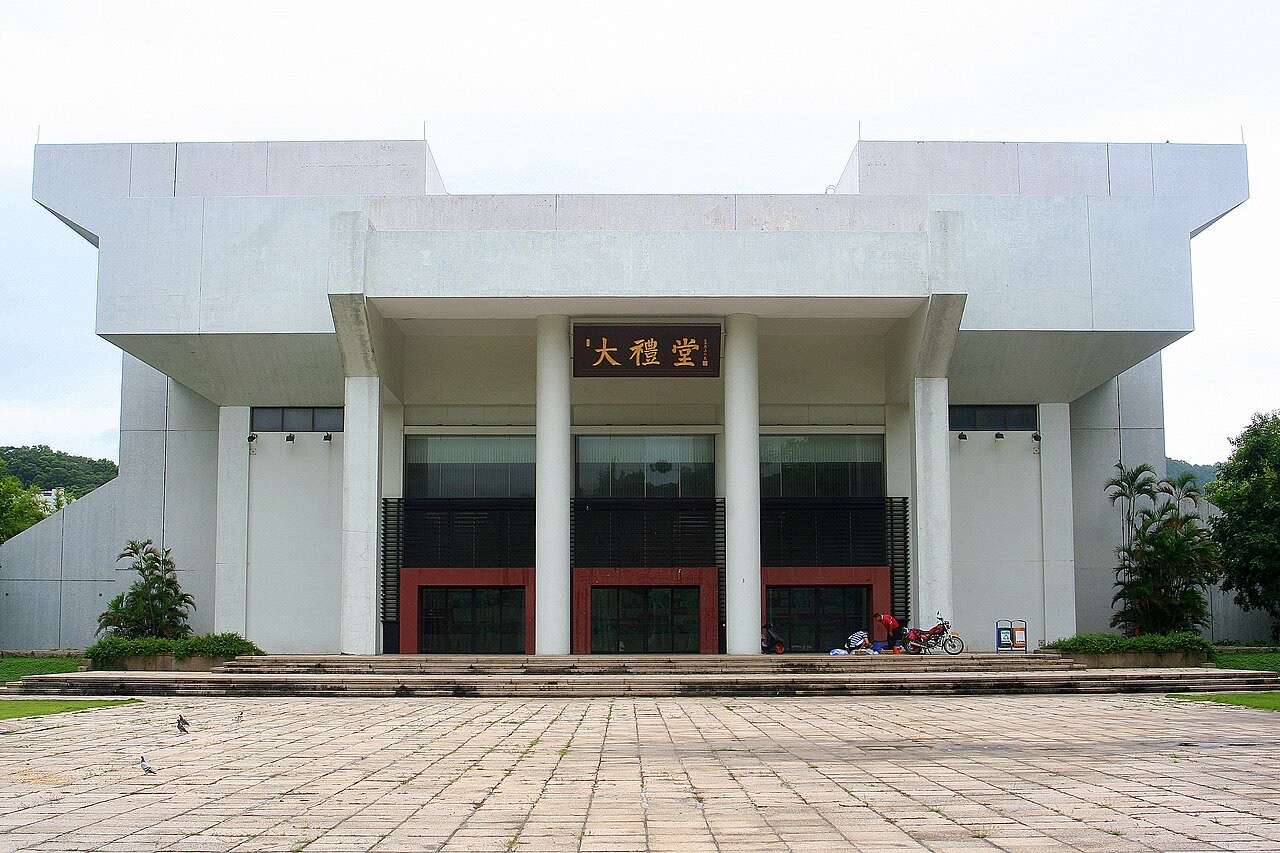
Nan'ao Island is Guangdong Province's only island county, located in the southeast waters of Shantou City, with an area of 130 km². Since the Nan'ao Bridge opened in 2015, reaching the island from downtown Shantou takes only 20 minutes. The island features Qing'ao Bay Beach (where the Tropic of Cancer passes through), Changshanwei Pier Lighthouse, the Gate of Nature, Song Well, wind farms, and other attractions. Clear water, fine sand — one of Guangdong's best island getaways.
Highlights:
- · Qing'ao Bay — Tropic of Cancer landmark "Gate of Nature," fine white sand, clear water
- · Fish Raft Sea Excursion — Head out with local fishermen to haul in the nets, see floating raft aquaculture — a unique experience
- · Sea-View Room Sunrise — Stay in a sea-view room, watch sunrise from your window, the whole sea turns golden
- · Lighthouse — Changshanwei Pier Lighthouse, red-and-white design, highly photogenic
Best Time: May–October: swimmable. October–December: most comfortable weather, fewer crowds. July–September: watch for typhoons.
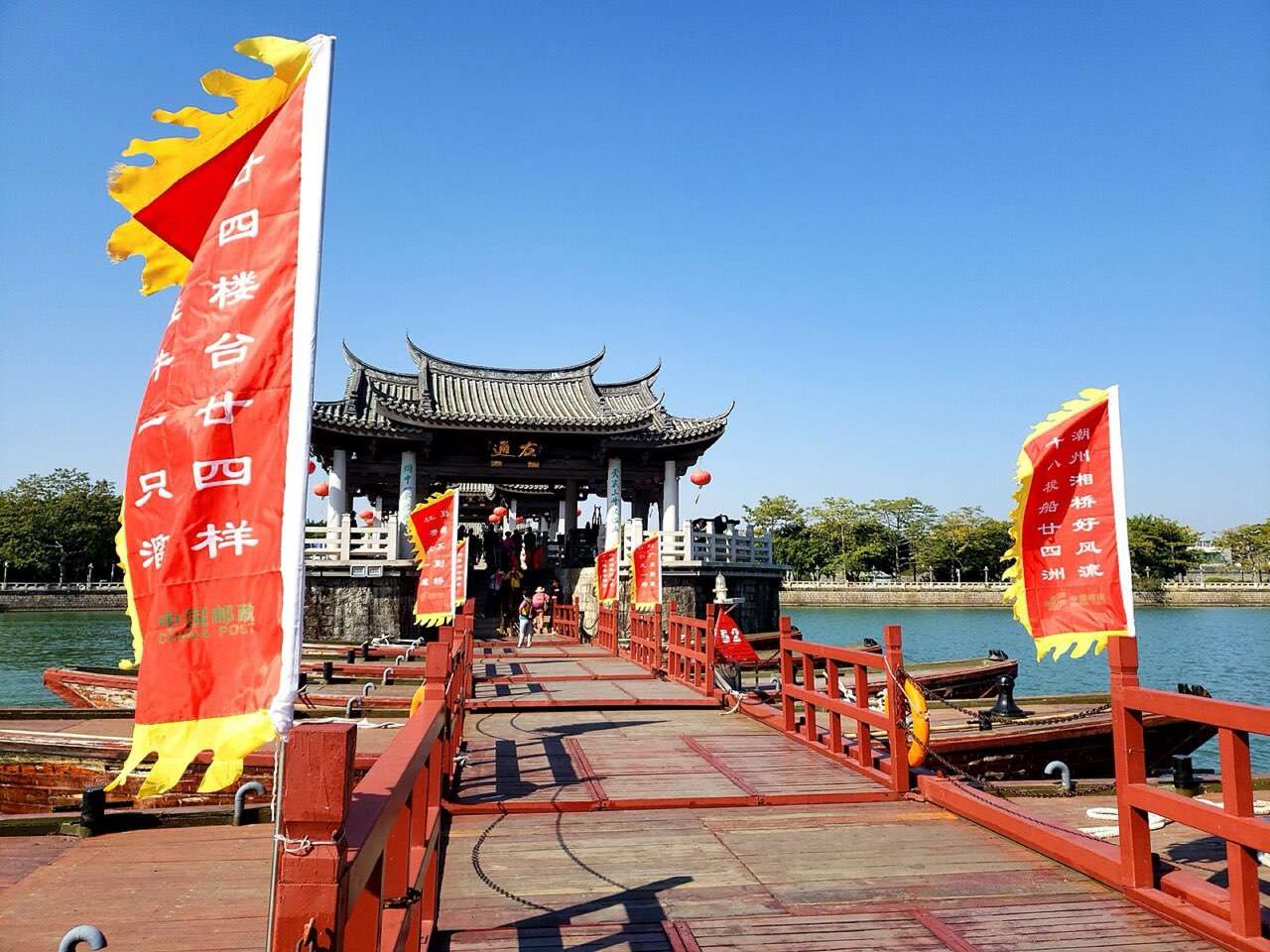
Chaozhou Ancient City is located in Xiangqiao District, Chaozhou City. It is a National Historic and Cultural City with a history of more than 1,600 years. The ancient city preserves Guangji Bridge (one of China's Four Great Ancient Bridges), Paifang Street (with 22 stone memorial archways), Kaiyuan Temple (a Tang Dynasty temple), Jiaodi Lane (Ming-Qing residential complex), and other historic structures. The Guangji Bridge pontoon section retracts every evening — a unique design summed up in the phrase "eighteen shuttle boats, twenty-four islets"
Highlights:
- · Guangji Bridge — One of China's Four Great Ancient Bridges, "eighteen shuttle boats, twenty-four islets" pontoon structure, light show at night
- · Paifang Street — 22 Ming-Qing stone archways, pedestrian street lined with Teochew snacks and souvenirs
- · Kaiyuan Temple — Tang Dynasty temple, Chaozhou's Buddhist center, free admission
- · Gongfu Tea + Teochew Opera + Yingge Dance — Chaoshan intangible cultural heritage experience
Best Time: Year-round. Evening is best for the Guangji Bridge light show. Winter temperatures are mild and perfect for strolling.
Longhu Ancient Village is located in Chao'an District, Chaozhou City. Founded in the Southern Song Dynasty, it has over 1,000 years of history. The village is laid out in a long, ribbon-like pattern, about 1.5 km long, preserving numerous Ming-Qing residences, ancestral halls, and academies. Compared to Chaozhou Ancient City, Longhu Ancient Village is less commercialized and more authentic — locals still live here; it's not purely a tourist attraction.
Highlights:
- · Authenticity — Locals still live here; not purely a tourist attraction
- · Ancestral Hall Architecture — Traditional Teochew residential layouts: "four-horse carriage" and "downhill tiger" patterns
- · Quiet — No Paifang Street crowds; take your time and soak up the atmosphere
Best Time: Year-round. Morning light is best, fewer people.
What to Eat in Chaoshan
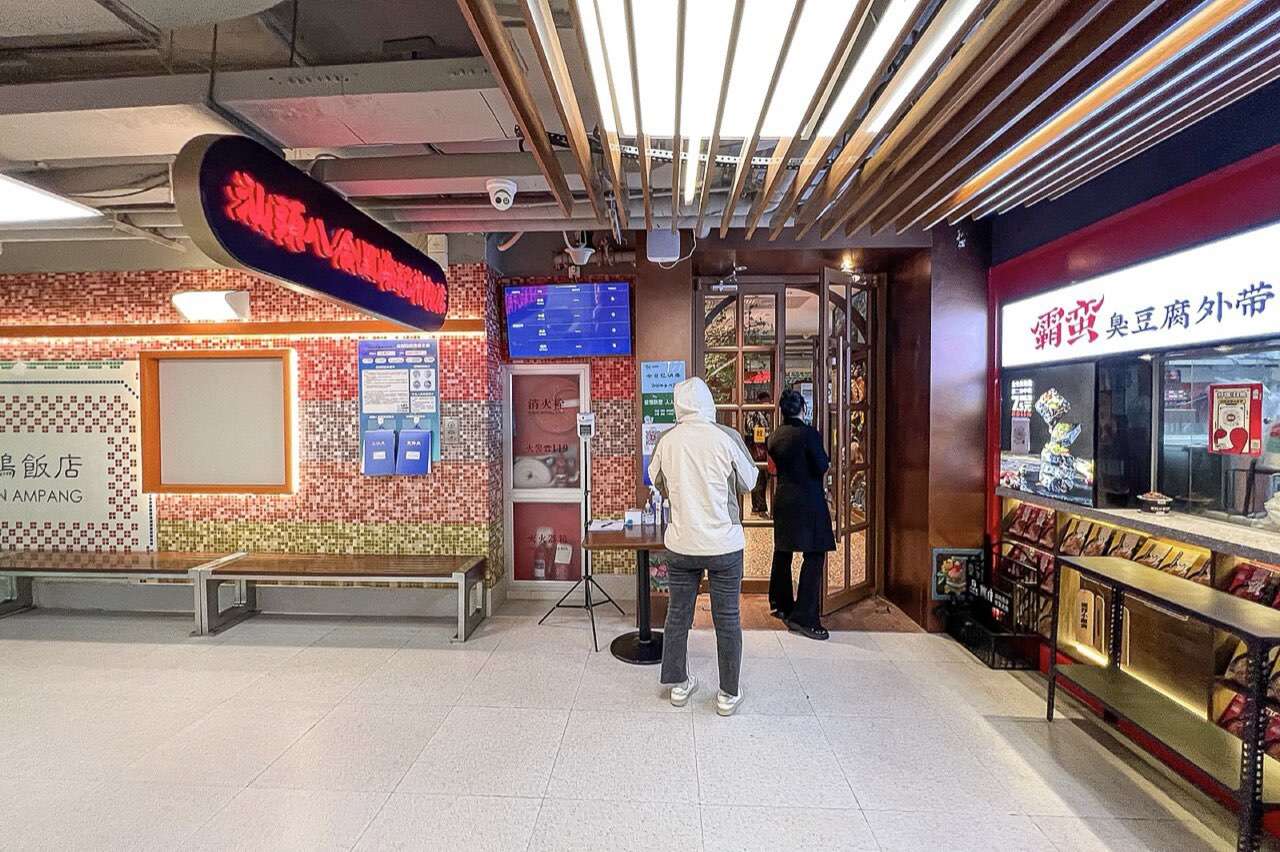
Beef hotpot, double-skin milk, rice noodles, oyster omelette, braised goose — some of the best-known highlights of Chinese cuisine.
Chaoshan is widely recognized as China's culinary pinnacle. Chaoshan cuisine emphasizes original ingredient flavors, lightness, and freshness — it's a different thing entirely from Southeast Asian Teochew restaurants. Worth a dedicated trip. The following recommendations are not tourist-trap kickback restaurants, but places locals eat at every day. Prices are listed in RMB, with USD equivalents for reference.
Other Worth Trying
- Beef Balls — Hand-made beef balls, so springy they can practically bounce off the table. Hotpot essential. Can be vacuum-packed to take home
- Kway Teow (Rice Noodles) — Chaoshan-style flat rice noodles, stir-fried or in soup, breakfast staple
- Rice Noodle Rolls (Cheong Fun) — Chaoshan version differs from Guangzhou's: thinner skin, more filling, drizzled with peanut sauce
- Gongfu Tea — The daily ritual of Teochew people. Fenghuang Dancong tea is the most famous variety. Every household has tea sets
- Licorice Fruit — Fruit pickled with licorice and sour plum powder, a popular local street snack
Meal cost reference: Lunch + dinner average USD 5–15/person/day (approx. RMB 50–110) — eat until stuffed. Group tour meals are ¥40–50/person but low quality — bulk-cooked, pre-made dishes. Find local eateries yourself and eat three times better for the same money.
About Chaoshan Travel
Start Planning Your Chaoshan Trip
Tell us your group size and travel dates, and your travel consultant will customize your Chaoshan itinerary.
Brand-Operated · Fully Licensed · RMB 500K Travel Insurance · Tipping Strictly Prohibited
Key Takeaways
- Chaoshan refers to Shantou, Chaozhou, and Jieyang on the southeastern coast of Guangdong, and is described as the birthplace and core area of Teochew culture. The guide highlights food, historic city sights, and Nan'ao Island as its main draws.
- The article recommends March to May and October to December as the most comfortable times to visit, with pleasant weather and lower typhoon risk. Chaoshan is open year-round, but July to September is hotter and requires attention to typhoon conditions.
- For passports from Singapore, the guide says China offers 30-day visa-free entry, with passport validity exceeding 6 months required. For Malaysian passports, it says there is 30-day visa-free entry under a 2026 policy, and trips over 30 days require a visa in advance.
- Suggested preparation focuses on warm, humid weather: light layers in spring and autumn, short sleeves and sun protection in summer, and a thin sweater plus jacket in winter. The article also stresses sunscreen, a hat, comfortable walking shoes, and swimwear for Nan'ao Island in summer.
Official resources
- Ministry of Culture and Tourism of the People's Republic of China (mct.gov.cn) — the national regulator for licensed travel agencies
- National Immigration Administration (nia.gov.cn) — official entry, exit, and immigration information for mainland China
- Consular Services, Ministry of Foreign Affairs (cs.mfa.gov.cn) — official consular information and travel notices