Sichuan + Chongqing Travel Guide
Where Sichuan and Chongqing are, when to visit, how to get there, what it costs, what to see, and what to eat — a complete guide for global Chinese travelers. Not marketing fluff — real, practical travel reference.
Where Are Sichuan & Chongqing?
Sichuan and Chongqing lie in the heart of southwest China, along the upper Yangtze River. The route spans the Chengdu Plain, the Western Sichuan Plateau, and mountainous Chongqing — three distinct landscapes in one trip.
Geography
Sichuan Province lies in southwest China's heartland, spanning 486,000 km² — China's fifth-largest province. Chongqing is a direct-administered municipality covering 82,400 km². The two regions share mountains, rivers, and culture, together known as "Chuan-Yu" or "Ba-Shu."
The main Sichuan-Chongqing travel axis: Chengdu (plains city, 500m altitude) — Dujiangyan / Sanxingdui (near Chengdu) — Jiuzhaigou / Huanglong (northern Sichuan plateau, 2,000–4,000m) — Chongqing (mountain city, 240m). Western Sichuan plateau (Mount Siguniang, Daocheng Yading) is a separate route at 3,000–5,000m, suited for deep outdoor exploration.
This guide focuses on the main Chengdu–Jiuzhaigou–Chongqing route — the most common itinerary for first-time visitors to Sichuan & Chongqing.
Why Visit
Sichuan and Chongqing offer one of China's richest combinations of food and scenery:
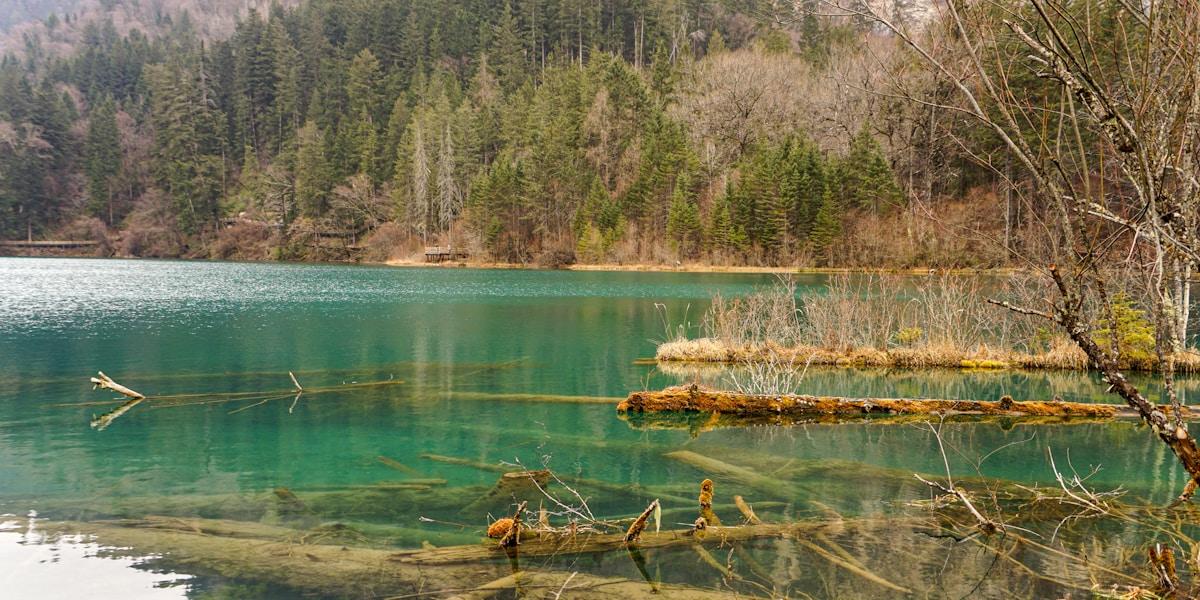
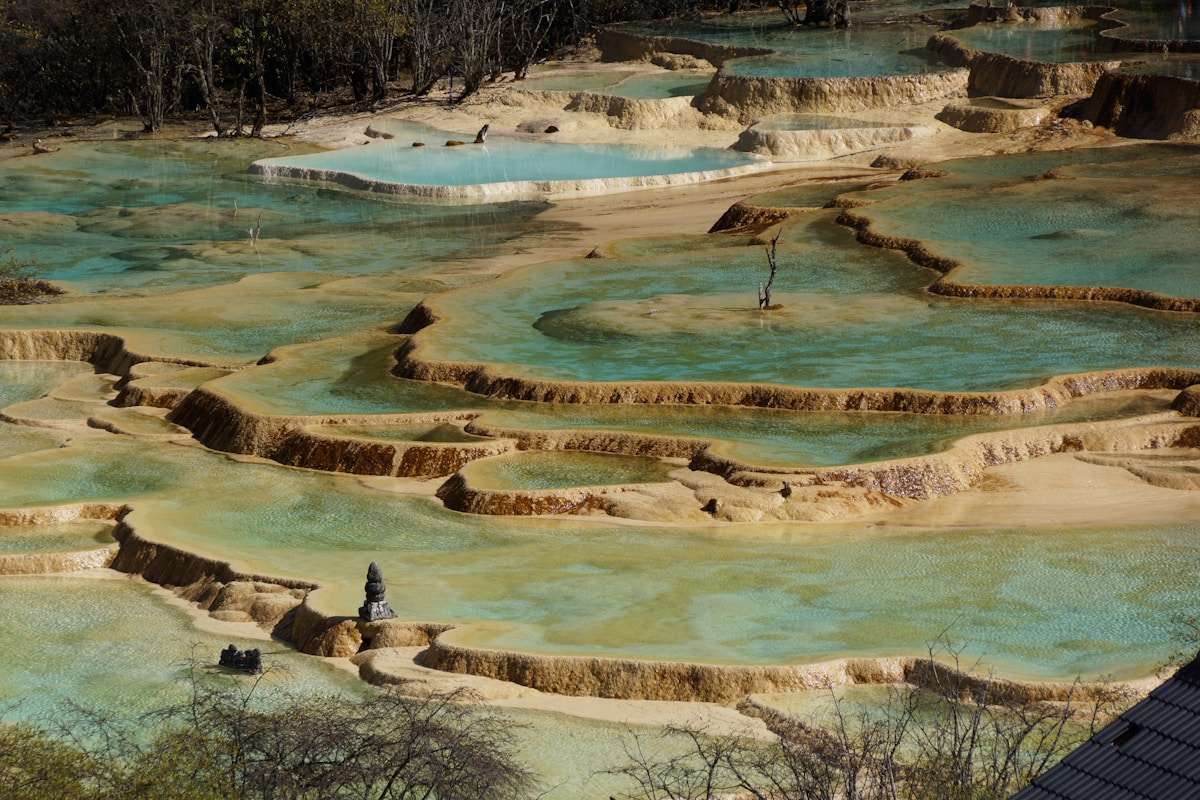
- Jiuzhaigou — a UNESCO World Heritage Site with 108 alpine lakes cascading in blue-green tiers. "After seeing Jiuzhaigou, other waters pale in comparison."
- Sanxingdui — one of China's most talked-about recent archaeological discoveries; bronze masks and a gold scepter that are reshaping our understanding of early Chinese civilization.
- Chongqing Hongyadong — an 11-story stilted complex built into the hillside, lit up at night like the bathhouse from Spirited Away.
- Dujiangyan — 2,000-year-old irrigation system built by Li Bing and his son, still functioning today.
- Wulong Three Natural Bridges — UNESCO World Heritage, three natural stone arch bridges; filming location for Curse of the Golden Flower.
- Sichuan and Chongqing cuisine — Hot pot, chuanchuan, dan dan noodles, bo bo ji, maocai — some of China's most iconic dishes.
For Chinese travelers from Singapore and Malaysia, the unique appeal of Sichuan and Chongqing is this: this is the birthplace of the mala flavors many of you grew up with (Sichuan cuisine was brought overseas by Sichuan-Chongqing emigrants), while offering snow mountains, plateau lakes, and mountain-city nightscapes completely unlike Southeast Asia. Direct flights from Singapore to Chengdu take about 4.5 hours.
Best Season to Visit
Climate varies significantly across Sichuan & Chongqing. Chengdu Plain has four distinct seasons; Jiuzhaigou's plateau is cold; Chongqing is one of China's "furnace cities." Monthly breakdown:
| Month | Temperature | Scenery Highlights | Rating |
|---|---|---|---|
| Mar–Apr | 10–22°C | Spring blooms, Chengdu Plain at its best | ★★★★ |
| May | 15–26°C | Comfortable, Jiuzhaigou rhododendrons | ★★★★ |
| Jun–Aug | 22–40°C | Chongqing scorching; Jiuzhaigou cool escape | ★★★ (Jiuzhaigou ★★★★) |
| Sep–Oct | 12–25°C | Clear autumn, Jiuzhaigou fall colors at peak | ★★★★★ |
| Nov | 8–18°C | Late autumn at Jiuzhaigou, fewer crowds | ★★★★☆ |
| Dec–Feb | 3–12°C | Cold but uncrowded, Jiuzhaigou ice waterfalls | ★★★ (winter route) |
Verdict: September–November is the golden window for Sichuan & Chongqing travel — crisp autumn air, Jiuzhaigou fall colors at their peak. March–May also works, with spring flowers. July–August brings extreme heat (Chengdu and Chongqing reach 38–40°C), but Jiuzhaigou stays cool at 18–25°C — it's a highland summer escape. Avoid Labor Day (May 1) and National Day (October 1) Golden Weeks.
What to Prepare Before Departure
Visas, altitude, clothing, gear — don't miss a thing.
Visas & Documents
Singapore Passport: Visa-free entry to China for 30 days. No advance visa application needed. Ensure passport validity exceeds 6 months.
Malaysian Passport: Visa-free entry to China for 30 days (2026 policy). If your trip exceeds 30 days, apply for a visa in advance. Check the latest policy before travel.
Sichuan & Chongqing Area: No additional restrictions for foreign visitors. Chengdu, Chongqing, and Jiuzhaigou are open to all foreign visitors with valid documents; no special permits required. Some parts of Jiuzhaigou are near Tibetan areas — carry your passport at all times for inspection.
Altitude Sickness
Altitude varies greatly along the Sichuan-Chongqing route. Plan your itinerary to allow for gradual acclimatization:
- Chengdu: ~500m — no altitude risk
- Chongqing: ~240m — no altitude risk
- Jiuzhaigou Valley Entrance: ~2,000m — generally no symptoms
- Jiuzhaigou Long Lake: ~3,100m — slight risk
- Huanglong Scenic Area: 3,100–3,900m — altitude sickness risk exists
Recommendation: Acclimatize in Chengdu (500m) for 1–2 days first, then head up to Jiuzhaigou (2,000m), and finally Huanglong (3,100m+). Huanglong has an optional cable car — take it to the top and walk down to reduce uphill hiking. Those with serious cardiovascular conditions should skip Huanglong and enjoy Jiuzhaigou instead. Shuttle buses and boardwalks inside the valley keep physical demands low.
Clothing Checklist
Temperature differences are large — 10–15°C between Chengdu Plain and Jiuzhaigou Plateau. Follow the layering principle:
- Outer layer: Windbreaker or light down jacket — essential for Jiuzhaigou and Huanglong mornings/evenings
- Mid layer: Long-sleeve T-shirt, light fleece — daytime wear in Chengdu
- Base layer: Short sleeves — May–October Chengdu daytime can reach 25–30°C
- Bottoms: Long pants preferred — practical for scenic walks
- Shoes: A good pair of walking sneakers — Jiuzhaigou boardwalks and Chongqing's endless stairs demand them
- Accessories: Sunglasses, hat, rain jacket (July–August rainy season)
Special note: Chongqing in July–August is one of China's "furnaces" — temperatures can hit 40°C. Take heat precautions. Even in July, Jiuzhaigou mornings can drop to 10°C. Chongqing's humidity is high — clothes dry slowly; bring extra changes.
Gear Checklist
- Sun protection: SPF50+ sunscreen, UV400 sunglasses, hat — plateau UV is intense
- Medications: Motion sickness pills (winding mountain roads), stomach medicine (spicy food adjustment), cold medicine, band-aids
- Electronics: Power bank (long drives drain phones fast), car charger adapter
- Other: Thermos, wet wipes, light snacks
- Luggage: One large suitcase + one carry-on per person recommended
Note: If your spice tolerance is moderate, tell the driver-guide in advance — Sichuan-Chongqing default spice levels may be intense even for overseas Chinese. Most restaurants can make "mild" or "non-spicy" versions.
How to Get There & Get Around
The 2024 Sichuan-Qinghai Railway has reduced travel time from Chengdu toward Jiuzhaigou, with the train journey taking about 2 hours plus a 1.5-hour shuttle transfer.
How to Get to Sichuan & Chongqing
Fly into Chengdu Tianfu International (TFU) or Shuangliu (CTU) — Chengdu has two airports, with high flight frequency.
From Singapore:
- Direct: Singapore–Chengdu, ~4.5 hours (multiple airlines)
- Connecting: Singapore–Guangzhou/Kunming–Chengdu, ~6–7 hours total
From Malaysia (Kuala Lumpur):
- Direct: Kuala Lumpur–Chengdu, ~4.5 hours (AirAsia has direct flights)
- Connecting: Kuala Lumpur–Guangzhou–Chengdu, ~6–7 hours total
Chongqing Entry/Exit: You can also fly into Chongqing Jiangbei Airport (CKG); connecting flights available from Singapore/Malaysia. Recommended: enter via Chengdu, exit via Chongqing (or vice versa) — no backtracking.
Tip: Book flights 1–2 months ahead. July–August peak season has the highest prices. AirAsia Kuala Lumpur–Chengdu often runs promotions — excellent value.
Getting Around the Region
The biggest recent change for Sichuan-Chongqing travel is the opening of the Sichuan-Qinghai Railway in 2024 — Chengdu to Jiuzhaigou went from a grueling 8–10 hour bus ride on mountain roads to a 2-hour high-speed train + 1.5-hour shuttle. This has been a major transportation upgrade:
- Chengdu–Jiuzhaigou: High-speed train Chengdu East → Huanglong-Jiuzhai Station (~2 hrs), then scenic shuttle (~1.5 hrs) to valley entrance (recommended)
- Chengdu–Chongqing: High-speed rail ~1.5 hours, frequent departures (recommended)
- Chengdu–Dujiangyan: Intercity rail ~30 minutes
- Chengdu–Sanxingdui: High-speed rail ~20 minutes to Guanghan North Station
- Chongqing–Wulong: Expressway ~2.5 hours or high-speed rail ~1.5 hours
Transport mode comparison:
- High-speed rail + private transfer (recommended): Train between cities, private vehicle transfer at stations to scenic spots. Efficient, comfortable.
- Private car throughout: 7-seater business vehicle + driver-guide, flexible but Chengdu–Jiuzhaigou still uses old mountain roads (not recommended).
- Bus: Cheapest but most exhausting — Chengdu–Jiuzhaigou is 8–10 hours of winding mountain roads with extremely high motion sickness rates.
In short: The biggest differentiator on the Sichuan-Chongqing route is "high-speed rail into Jiuzhaigou" — saves 6 hours of mountain roads compared to traditional buses, dramatically reducing motion sickness. Choose the right transport and the experience difference is night and day.
Travel Arrangements: Typical Industry Practice vs. Our Approach
How Much Does Sichuan & Chongqing Travel Cost?
Based on an 8-day, 7-night itinerary, Chengdu–Jiuzhaigou–Chongqing route. USD primary, with RMB/MYR/USD reference.
The following costs are based on an 8-day, 7-night trip, Chengdu entry / Chongqing exit, including Jiuzhaigou and Huanglong. Prices include full transport (high-speed rail + private vehicle), accommodation, entrance tickets, and insurance; excluding round-trip flights and lunch/dinner.
Cost Notes
- Included: Full transport (high-speed rail + business vehicle), hotels (with breakfast), entrance tickets (including Jiuzhaigou + Huanglong), RMB 500,000 in travel accident insurance coverage, photoshoot, airport transfers
- Not included: Round-trip flights to/from Chengdu/Chongqing, lunch & dinner, personal expenses, visa fees (Singapore, Malaysia and most other passports enjoy visa-free entry)
- Meal reference: USD 5–20/person/day (approx. RMB 50–130) for excellent lunches and dinners — hot pot, chuanchuan, dan dan noodles
- Flight reference: Singapore/Kuala Lumpur round-trip to Chengdu, USD 225–450 booked early, USD 450–750 in peak season
Actual prices vary by vehicle type and hotel tier. Tell us your group size and travel dates, and your travel consultant will provide an exact quote.
Four Must-Visit Places
Jiuzhaigou, Sanxingdui, Hongyadong, Wulong — highlights and pitfalls for each.
Jiuzhaigou is located in Aba Tibetan and Qiang Autonomous Prefecture and is a UNESCO World Natural Heritage site. The valley contains 108 alpine lakes (locally called "haizi") cascading in blue-green tiers — their color shifts with seasons and light due to minerals and algae in the water. Three valleys form a Y-shape: Shuzheng Valley, Zechawa Valley, and Rize Valley.
Highlights:
- · Five-Flower Lake — the essence of Jiuzhaigou, blue-green water with striking color gradations with submerged ancient trees clearly visible
- · Nuorilang Waterfall — China's widest alpine waterfall, 270 meters across
- · Long Lake — the largest lake in Jiuzhaigou, at 3,100m, freezes in winter
- · Pearl Shoal Waterfall — filming location for the classic TV series Journey to the West
Best time: September to November, when the autumn colors are at their most beautiful. June–August has abundant water and spectacular waterfalls. Winter (December to February) is uncrowded and offers beautiful frozen waterfalls. Shuttle buses and boardwalks inside; physical demands are low.
The Sanxingdui site is in Guanghan City, about 60 km from Chengdu. Major discoveries were first made there in 1986, with six more sacrificial pits discovered in 2021, yielding stunning artifacts including bronze masks, a gold scepter, and a bronze sacred tree. Called "one of the greatest archaeological discoveries of the 20th century," it challenged the theory that Chinese civilization originated solely in the Central Plains.
Highlights:
- · Giant Bronze Mask — 1.38m wide, the world's largest bronze mask
- · Gold Scepter — 1.42m long, a wooden core wrapped in gold foil
- · Bronze Sacred Tree — 3.95m tall, nine birds perched on its branches
- · New Museum — opened 2024, exhibition area four times the old museum
Best time: Year-round. Go in the morning — afternoons are more crowded. Rent an audio guide — otherwise you won't understand what you're looking at. Allow 2–3 hours.
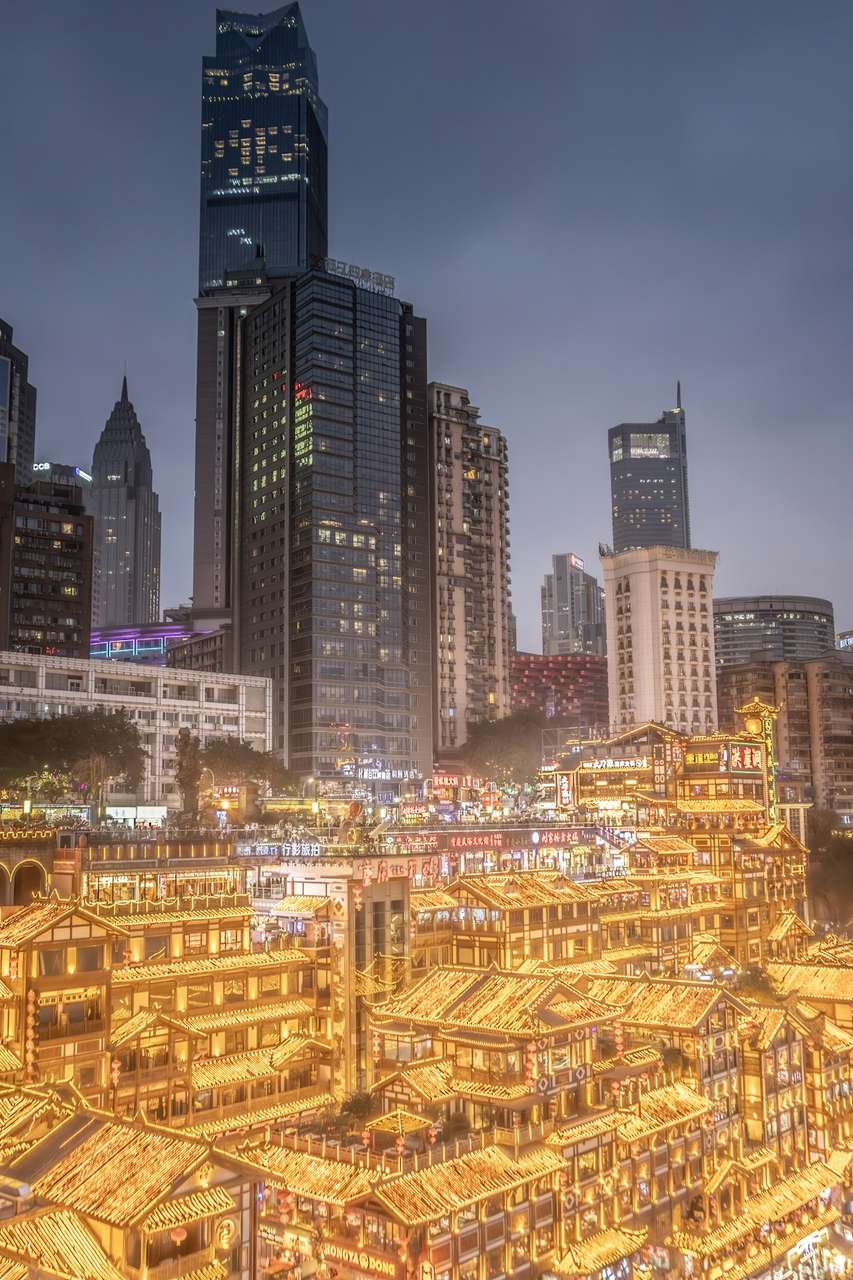
Hongyadong sits on the bank of the Jialing River in Chongqing's Yuzhong District. It is an 11-story stilt-house complex built into the hillside, illuminated at night like the bathhouse from Spirited Away. Built in 2006, it's now a Chongqing landmark. From the top entrance (Cangbai Road) to the bottom (Binjiang Road), each level offers something different — dining, shops, observation decks.
Highlights:
- · Night view — lights on at 6pm, off at 11pm; best photo spot is under Qiansimen Bridge on the opposite bank
- · 11-story structure — walk from top to bottom, each level has a different character
- · Stilted-house architecture — traditional Ba-Yu building style
Best time: Evening 6pm–9pm. Weekends and holidays are extremely crowded — go on a weekday if possible.
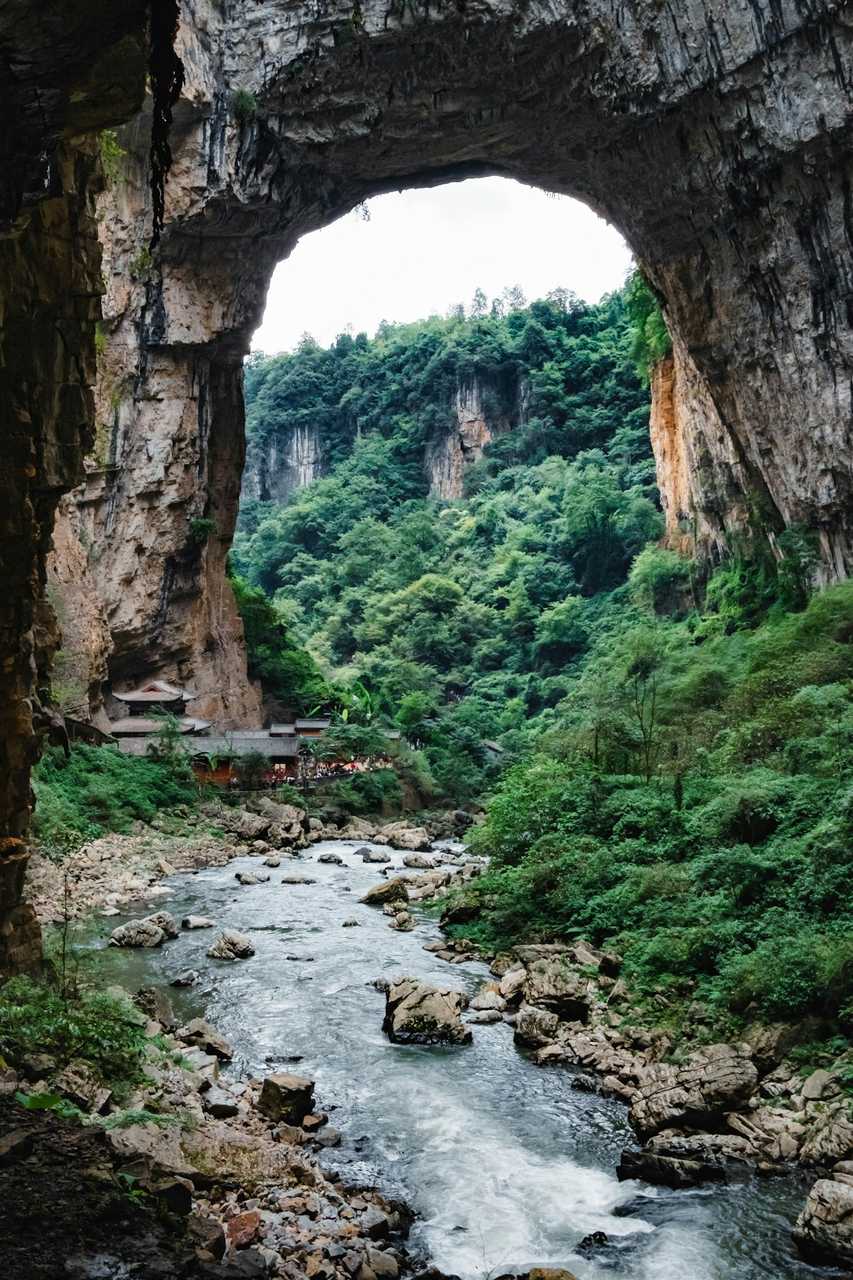
Wulong Karst is in Chongqing's Wulong District and is a UNESCO World Natural Heritage site. The Three Natural Bridges — Tianlong, Qinglong, and Heilong — are natural stone arch bridges 200–300m high with spans of 30–100m, the world's largest cluster of natural bridges. Filming location for Curse of the Golden Flower and Transformers: Age of Extinction.
Highlights:
- · Three natural bridges — Tianlong, Qinglong, Heilong; walk the valley floor and look up
- · Tiankeng (sinkholes) — funnel-shaped depressions between the bridges
- · Curse of the Golden Flower set — a replica ancient post station on the valley floor
Best time: Year-round. Allow 2–3 hours. An elevator takes you down to the valley floor — no need to walk all the stairs. After rain, waterfalls are fuller and more spectacular.
What to Eat in Sichuan & Chongqing
Hot pot, chuanchuan, dan dan noodles, bo bo ji — local joints, not kickback restaurants.
Sichuan-Chongqing food is half the value of this trip. The recommendations below are not tour-group kickback restaurants — they're where locals actually eat. Prices in RMB with USD reference.
More Worth Trying
- Maocai — "hot pot for one." Pick your ingredients, the kitchen cooks them and serves in a bowl with rice.
- Sweet Water Noodles — a Chengdu specialty: thick noodles + brown sugar + chili oil, sweet-spicy interplay.
- Ye'er Ba — glutinous rice cakes wrapped in leaves, a Chengdu breakfast staple.
- Sour & Spicy Noodles — sweet potato vermicelli in sour-spicy broth, king of Chongqing street food.
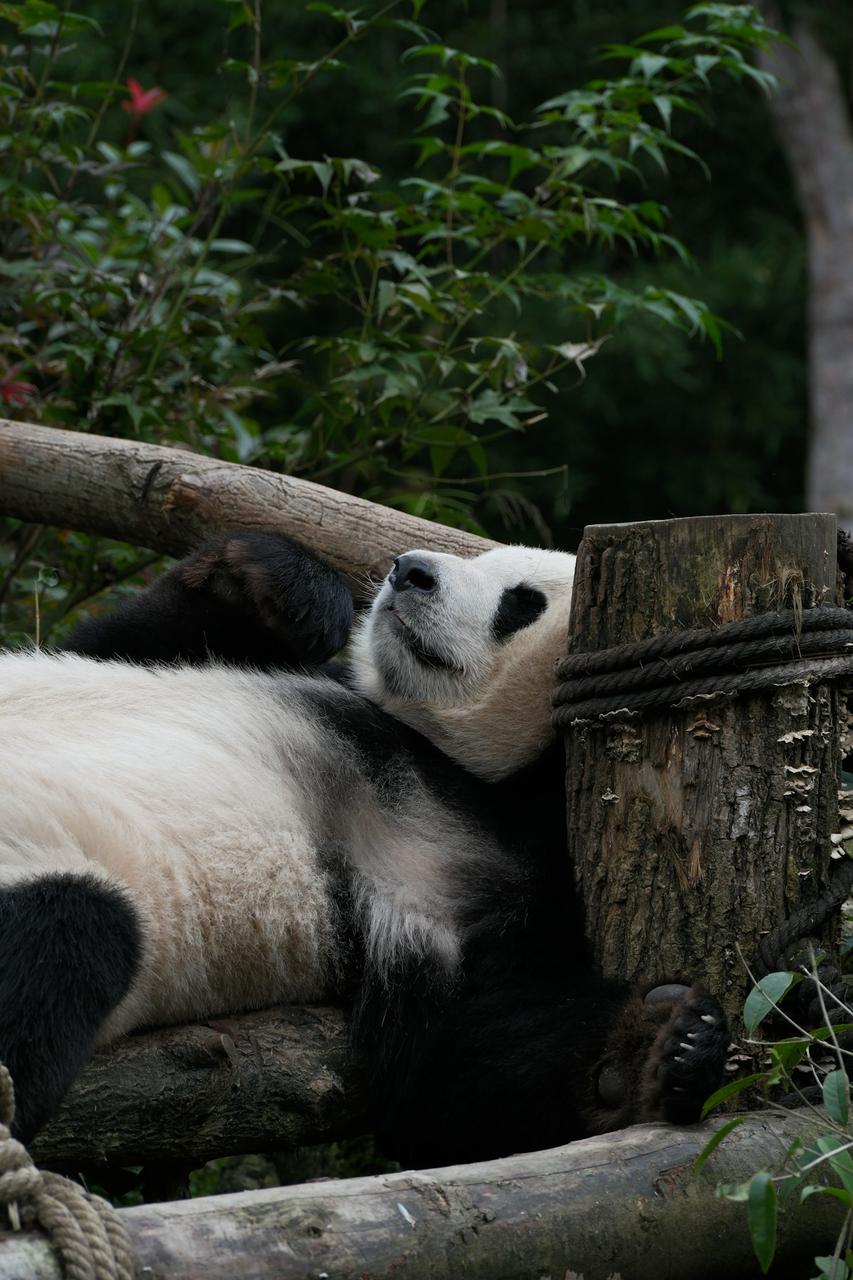
- Panda Set Meal — themed dessert near the Chengdu Panda Base, photogenic and fun.
Meal budget: USD 5–20/person/day (approx. RMB 50–130) for great lunches and dinners. If your spice tolerance is moderate, tell them in advance — most restaurants can make "mild" or "non-spicy" versions.
About Sichuan & Chongqing Travel
Start Planning Your Sichuan & Chongqing Journey
Tell us your group size and travel dates — your travel consultant will customize a Sichuan-Chongqing itinerary for you.
Brand Direct · Fully Licensed · RMB 500K Travel Insurance · No Tipping
Key Takeaways
- ["Sichuan and Chongqing sit in southwest China along the upper Yangtze River, and the guide focuses on the main first-time route of Chengdu, Jiuzhaigou, and Chongqing. This trip combines plains, plateau scenery, and a mountain city in one itinerary.","The article identifies September to November as the best time to visit, especially for clear autumn weather and Jiuzhaigou’s fall colors. March to May is also suitable, while July and August are very hot in Chengdu and Chongqing but cooler in Jiuzhaigou.","Key sights mentioned include Jiuzhaigou, Sanxingdui, Dujiangyan, Chongqing Hongyadong, and Wulong Three Natural Bridges. The region is also noted for well-known Sichuan and Chongqing dishes such as hot pot, chuanchuan, dan dan noodles, bo bo ji, and maocai.","For travel preparation, the article notes 30-day visa-free entry for Singapore passport holders and for Malaysian passport holders under the stated 2026 policy, with travelers advised to check current rules. No special permits are required for Chengdu, Chongqing, and Jiuzhaigou, but passports should be carried at all times.","Altitude changes are an important practical issue on this route. The guide recommends acclimatizing in Chengdu first before going to higher places like Jiuzhaigou and Huanglong, where altitude sickness risk is higher."]}
Official resources
- Ministry of Culture and Tourism of the People's Republic of China (mct.gov.cn) — the national regulator for licensed travel agencies
- National Immigration Administration (nia.gov.cn) — official entry, exit, and immigration information for mainland China
- Consular Services, Ministry of Foreign Affairs (cs.mfa.gov.cn) — official consular information and travel notices