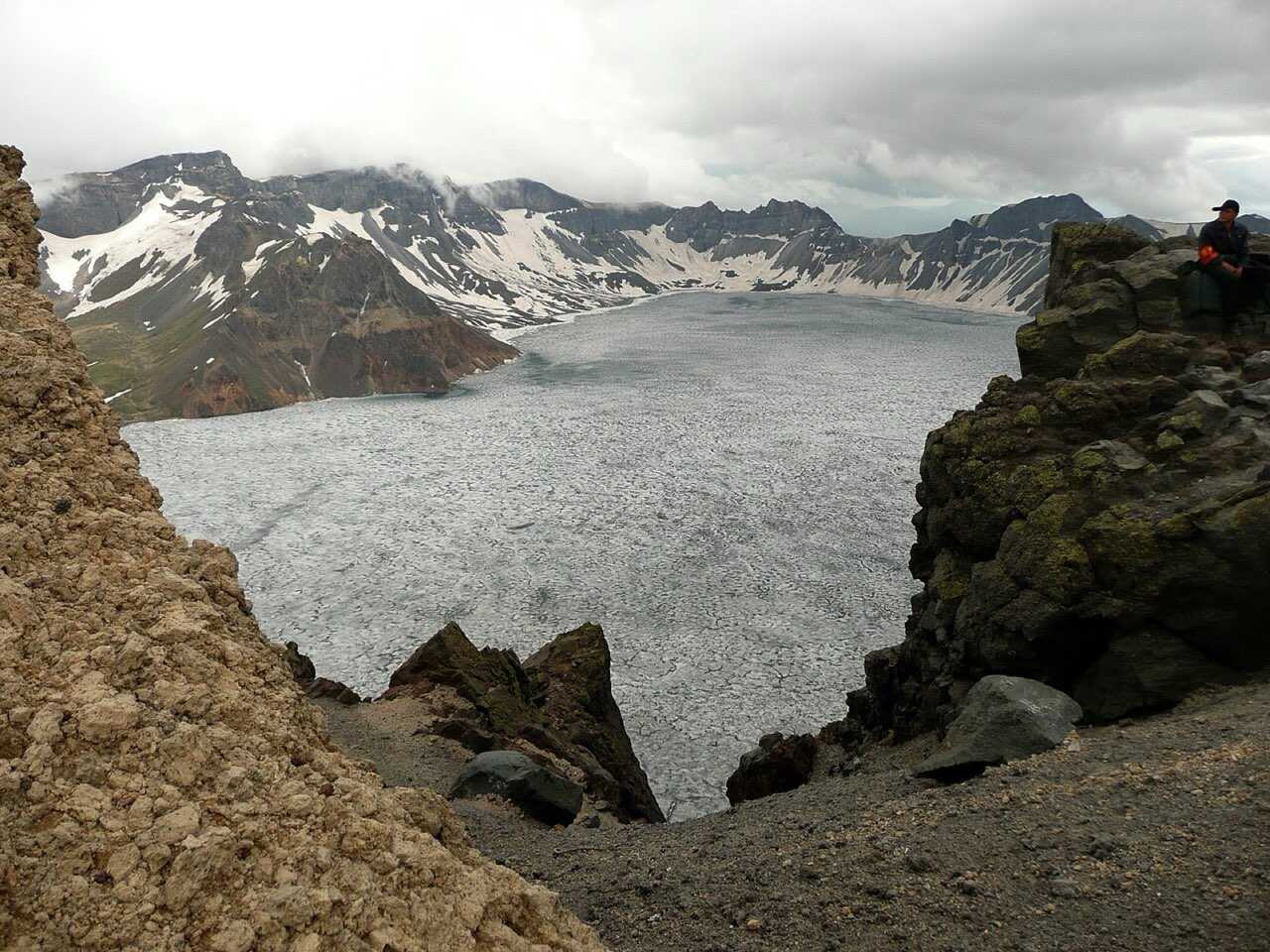
Dongbei (Northeast China) Travel Guide
Where Dongbei is, when to go, how to get there, how much it costs, what to see, what to eat — a complete guide for global overseas Chinese travelers. Three cultures in one journey: Korean ethnic culture, Russian influence, and classic Dongbei culture. Not marketing fluff; real, actionable travel reference.
Where Is Dongbei
Northeast China is the collective name for Heilongjiang, Jilin, and Liaoning — China's northernmost major travel region and one of its coldest in winter.
Location & Geography
Dongbei encompasses Heilongjiang Province, Jilin Province, and Liaoning Province in Northeast China, with a total area of 787,000 km². It borders Russia to the north, North Korea to the east, Hebei to the south, and Inner Mongolia to the west. The region is surrounded by mountains on three sides — the Greater and Lesser Khingan Ranges and the Changbai Mountains encircle the Northeast Plain, China's largest plain. Major rivers include the Heilong (Amur) River, Songhua River, Yalu River, and Tumen River.
The main Dongbei travel axis is a north-south route: Changchun—Changbai Mountain—Yanji—Harbin, covering about 800 km. Changchun sits in central Jilin (entry/exit hub), Changbai Mountain lies in southeastern Jilin (Heaven Lake, waterfalls, hot springs), Yanji is in eastern Jilin (Korean ethnic culture), and Harbin is in southern Heilongjiang (Russian-style charm, Ice and Snow World). This is a one-way route: enter via Changchun and exit via Harbin, with no backtracking, while experiencing three cultures in one trip.
Why Visit
Dongbei offers China's most unique combination of "winter ice & snow + multicultural" experiences:
- Changbai Mountain Heaven Lake — China's deepest volcanic crater lake at 2,194m elevation, 9.8 km² surface area, a border lake between China and North Korea. It is frozen and snow-covered in winter and sapphire blue in summer.
- Harbin's Russian-style charm — St. Sophia Cathedral, Central Street, Flood Control Monument — "Oriental Little Paris," China's densest collection of Russian architecture
- Yanji's Korean ethnic culture — Experience Korean ethnic customs without leaving China: bustling Water Market, Korean specialty snacks, viral barrage wall
- Yabuli Ski Resort — China's largest ski resort, host of the 1996 Asian Winter Games, covering beginner to expert slopes
- Harbin Ice and Snow World — The world's largest ice and snow theme park, opening in late December each year, dazzling illuminated ice sculptures
- Forest Train — The Yabuli-to-Hengdaohezi section winds through pristine forests and offers a nostalgic vintage-train experience
For overseas Chinese travelers from Singapore and Malaysia, Dongbei's unique appeal lies in the fact that it offers a winter ice & snow experience completely absent from Southeast Asia — extreme cold of -20 to -30°C, ice and snow sculptures, skiing, snow hot springs. At the same time, it preserves rich multicultural elements — Russian onion-dome architecture, Korean ethnic border town, hearty Dongbei cuisine. The chance to experience three cultures in one trip is Dongbei's biggest draw. Flying from Singapore to Changchun or Harbin (via Guangzhou/Beijing) takes about 8–9 hours — it's not especially close, but the winter snow experience is hard to match anywhere else in China.
Best Season to Visit
Dongbei has two distinctly different travel seasons — winter and summer — each with its own charm:
| Month | Temperature | Landscape | Rating |
|---|---|---|---|
| Dec–Feb | -30–-10°C | All winter activities open, Ice and Snow World | ★★★★★ (Winter) |
| Jan | -28–-15°C | Ice sculptures at their best, most authentic "Ice City" experience | ★★★★★ (Peak) |
| Mar–Apr | -5–10°C | Ice melting, transitional period — not recommended | ★★ |
| May | 8–20°C | Spring blooms, Changbai Mountain azalea season | ★★★☆ |
| Jun–Aug | 18–28°C | Best for escaping heat, Changbai Mountain covered in wildflowers | ★★★★★ (Summer) |
| Sep–Oct | 5–20°C | Autumn colors, foliage at its peak | ★★★★ |
| Nov | -10–5°C | Early winter, ice activities not fully open | ★★ |
In short, winter (December to February) is Dongbei's signature season — all winter activities are open: Changbai Mountain snow scenery, Yabuli skiing, Harbin Ice and Snow World. But it's also peak season with the highest prices. Summer June–August is Dongbei's escape-the-heat season — comfortable at 20–28°C, Changbai Mountain in full bloom, better value. Avoid Chinese New Year — Harbin and Xuexiang are packed and prices double. Both seasons have their merits — it depends on whether you want snow or a cool retreat.
What to Prepare Before You Leave
Visa, cold-weather gear, packing checklist — what you need to know before traveling to Dongbei.
Visa & Documents
Singapore passport holders: 30-day visa-free entry to China. Ensure your passport is valid for at least 6 months.
Malaysian passport holders: 30-day visa-free entry to China (subject to 2026 policy). If your trip exceeds 30 days, apply for a visa in advance. Check the latest policy before traveling.
Dongbei Region: No additional restrictions for foreign visitors — same as visiting Beijing or Shanghai. Changchun, Harbin, and Yanji are open to all foreign visitors with valid documents requiring no special permits. However, Yanji is near the North Korean border, and some areas have border checks — carry your passport at all times.
Carry ID at all times: Scenic spots and hotels require your passport for check-in. Keep a photocopy as backup.
Winter Cold-Weather Gear (Critical)
Winter temperatures in Dongbei drop to -20 to -30°C. Inadequate gear will seriously impact your trip and may even cause frostbite. You must prepare:
- Down Jacket: Knee-length, 200g+ fill weight — short jackets won't protect your legs
- Snow Boots: Anti-slip soles (deep tread), lined with wool felt — regular sneakers are dangerously slippery on ice
- Thermal Underwear: Fleece-lined — regular long johns aren't enough
- Wool Hat: Cover your ears — cover your ears well to reduce heat loss
- Scarf: Protect your neck — keeping your neck warm helps your whole body stay warm
- Gloves: Touchscreen-compatible — otherwise you'll have to remove gloves to take photos
- Heat Packs: Stick on your body, feet, and phone — phones easily shut down outdoors
Special Note: Phones automatically shut down below -20°C outdoors — keep a power bank warm against your body, and immediately put your phone back in an inner pocket after taking photos. Camera batteries also drain rapidly — bring spares kept close to your body. Snow boots MUST be anti-slip — Harbin's icy surfaces and Changbai Mountain's snowy terrain are dangerously slippery; a fall is no joke.
Summer Gear
Summer (June–August) Dongbei is comfortable at 20–28°C — packing is simple:
- Clothing: Short sleeves mainly. Bring a light jacket for Changbai Mountain (temperatures at higher altitudes can be 8–10°C cooler)
- Shoes: A good pair of walking shoes — you'll need them for the Changbai Mountain scenic area and Harbin's Central Street
- Sun Protection: SPF50+ sunscreen, sunglasses, hat — high-altitude UV is strong at Changbai Mountain
- Rain Gear: Foldable umbrella — occasional summer showers
Your travel consultant will send a detailed checklist before departure. Winter and summer checklists are completely different — confirm the season and pack accordingly before your trip.
General Packing Checklist
- Medication: Motion sickness pills (winding roads to Changbai Mountain), stomach medicine (heavy-flavored food), cold medicine, band-aids
- Electronics: Power bank (long drives + winter phone battery drain), car charger adapter
- Other: Thermos (drink hot water in the car — locals in Dongbei often like to drink hot water), wet wipes, some snacks
- Luggage: One large suitcase + one carry-on per person is recommended. Dongbei has many specialties — red sausage, pine nuts, ginseng, Korean kimchi
Note: Winter luggage is much bulkier than summer — down jackets, snow boots, and thermal underwear take up a lot of space. Choose a larger suitcase.
How to Get to Dongbei & Travel Within
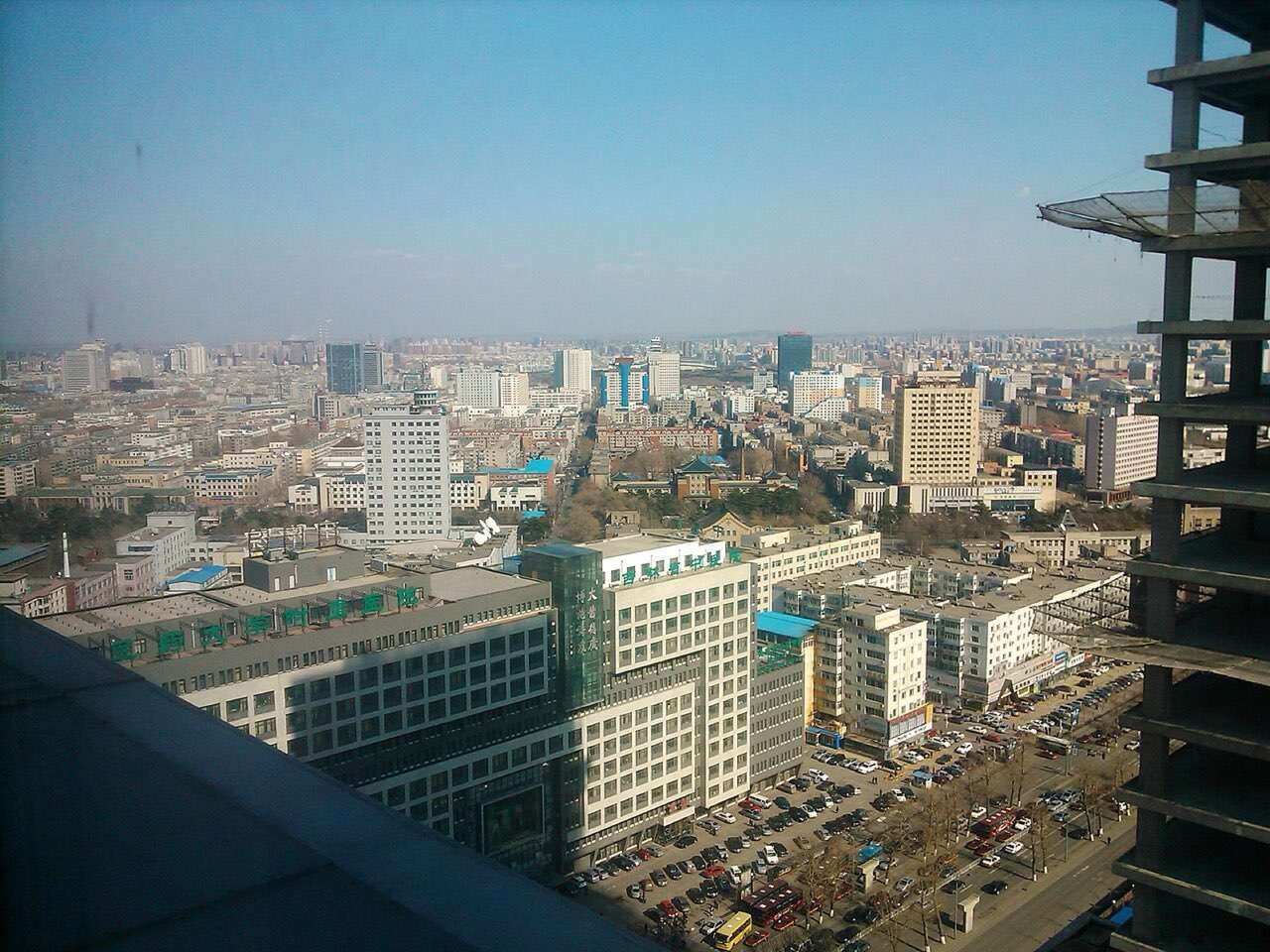
Dongbei's attractions are spread out along an 800 km north-south corridor — a one-way route without backtracking is key.
How to Reach Dongbei
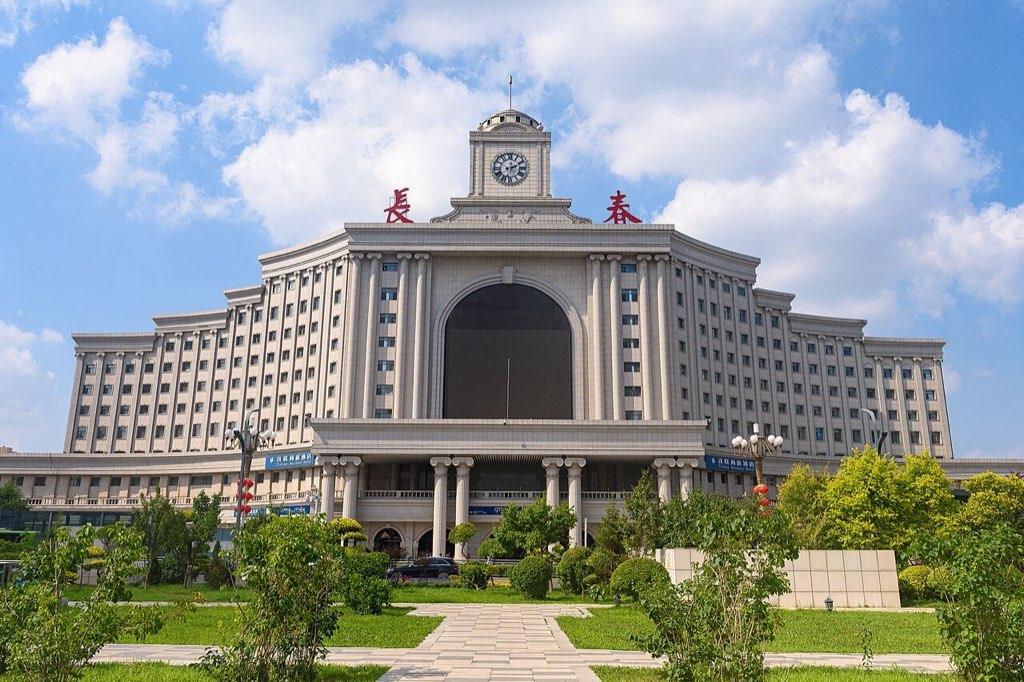
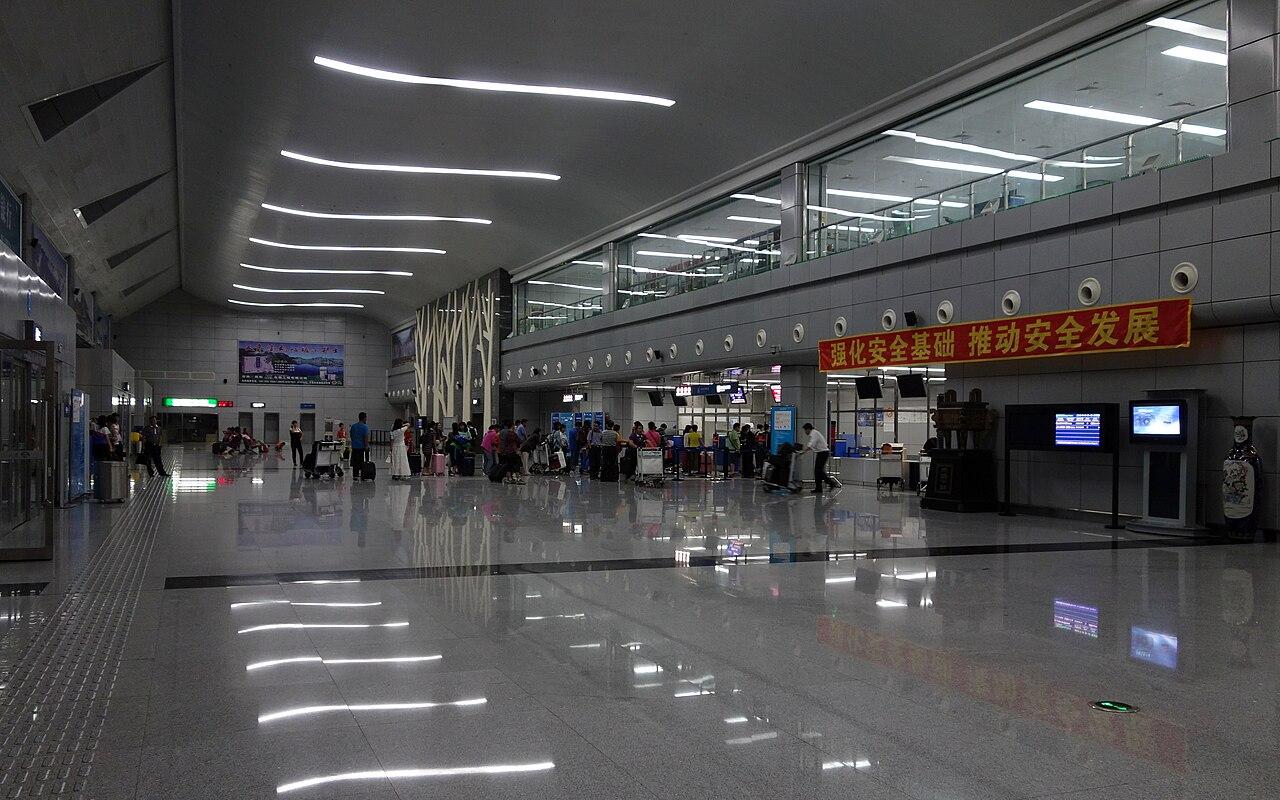
Fly into Changchun Longjia Airport (CGQ) or Harbin Taiping Airport (HRB) — both are viable entry points.
From Singapore:
- Connecting flight: Singapore—Guangzhou/Beijing/Shanghai—Changchun or Harbin, total 8–9 hours
- No direct flights; connecting via a domestic city is required
From Malaysia (Kuala Lumpur):
- Connecting flight: Kuala Lumpur—Guangzhou/Beijing/Chengdu—Changchun or Harbin, total 8–10 hours
- No direct flights; connecting via a domestic city is required
Recommendation: Take the one-way route — enter via Changchun, exit via Harbin — no backtracking. If you enter and exit both from Changchun, the round trip from Harbin to Changchun alone is 8 hours of driving. Enter via Changchun and exit via Harbin — every leg of the journey is worthwhile, and the saved time goes entirely to attractions. Book flights 1–2 months in advance; winter peak season (December–February) has the highest prices.
Getting Around Dongbei
The main Dongbei travel route is Changchun—Changbai Mountain—Yanji—Harbin, covering about 800 km. Driving times between attractions:
- Changchun—Changbai Mountain (Erdaobaihe Town): ~4.5 hours by highway
- Changbai Mountain—Yanji: ~2.5 hours by highway
- Yanji—Hengdaohezi/Yabuli: ~5 hours by highway
- Yabuli—Harbin: ~2 hours by highway
- Harbin—Changchun (if round trip needed): ~1 hour by high-speed rail or ~4 hours by highway
Transportation Options:
- Private Car / Custom Tour (Recommended): 7-seat business vehicle with driver-guide, flexible stops, controlled itinerary, ideal for families of 4–6 people. Winter snow driving requires an experienced local driver — self-driving risk is high
- High-Speed Rail + Taxi: Changchun—Harbin has high-speed rail (1 hour), suitable for city-to-city movement. But public transport between Changbai Mountain and Yanji is inconvenient — you'll need to hire a car
- Self-Drive: Summer roads are fine for self-driving, but winter icy roads pose high risk — not recommended for travelers from the south driving in winter
- Group Tour Bus: Cheapest but most exhausting — wake at 6 AM daily, only 1 hour at scenic spots, dragged to shopping stops or low-cost Xuexiang
Core Conclusion: Dongbei is a vast region, with long drives between attractions — 800 km spread over 6 days means under 150 km per day, a reasonable pace. The keys are taking the one-way route (Changchun entry, Harbin exit) without backtracking, and not self-driving in winter — icy roads + unfamiliar conditions = danger. A private car custom tour is the optimal solution.
Travel Arrangements: Industry Norm vs. Our Approach
How Much Does a Dongbei Trip Cost
Based on a 6-day, 5-night Changchun—Changbai Mountain—Yanji—Harbin one-way route. USD as primary currency with RMB/MYR/USD reference.
The following prices are based on a 6-day, 5-night one-way itinerary: Changchun entry, Harbin exit, covering Changbai Mountain—Yanji—Yabuli—Harbin. Prices include all transport, accommodation, attraction tickets, and insurance. These prices exclude round-trip flights as well as lunch and dinner. Winter peak season (December–February) prices are 30–50% higher than summer.
Cost Notes
- Included: Full private vehicle (fuel/tolls/parking), hotels (with breakfast), attraction tickets (full Changbai Mountain North Scenic Area, Wanda Resort four benefits, Forest Train), ¥500,000 travel accident insurance, airport transfers
- Not Included: Round-trip flights to/from Changchun/Harbin, lunch & dinner (recommended à la carte; driver-guide recommends local eateries), personal expenses, visa fees (Singapore, Malaysia and most other passports enjoy visa-free entry)
- Estimated Meal Budget: Lunch & dinner ~USD 5–15 per person per day (approx. RMB 50–110) for excellent food — Guo Bao Rou, Chicken Stewed with Mushrooms, Korean Bibimbap, BBQ
- Estimated Flight Budget: Singapore/Kuala Lumpur to/from Changchun/Harbin (connecting), book early from USD 300–600; winter peak USD 600–1045
- Seasonal Price Differences: Winter peak (December–February) is Dongbei's most characteristic season with highest prices — 30–50% higher than summer. Summer offers better value.
Actual prices vary with vehicle type and hotel tier. Tell us your group size and travel dates, and your travel consultant will provide an exact quote.
Four Must-Visit Places
Changbai Mountain Heaven Lake, Yanji Korean Ethnic Culture, Yabuli Forest Train, Harbin Russian-style Charm — what to see and what to avoid at each.
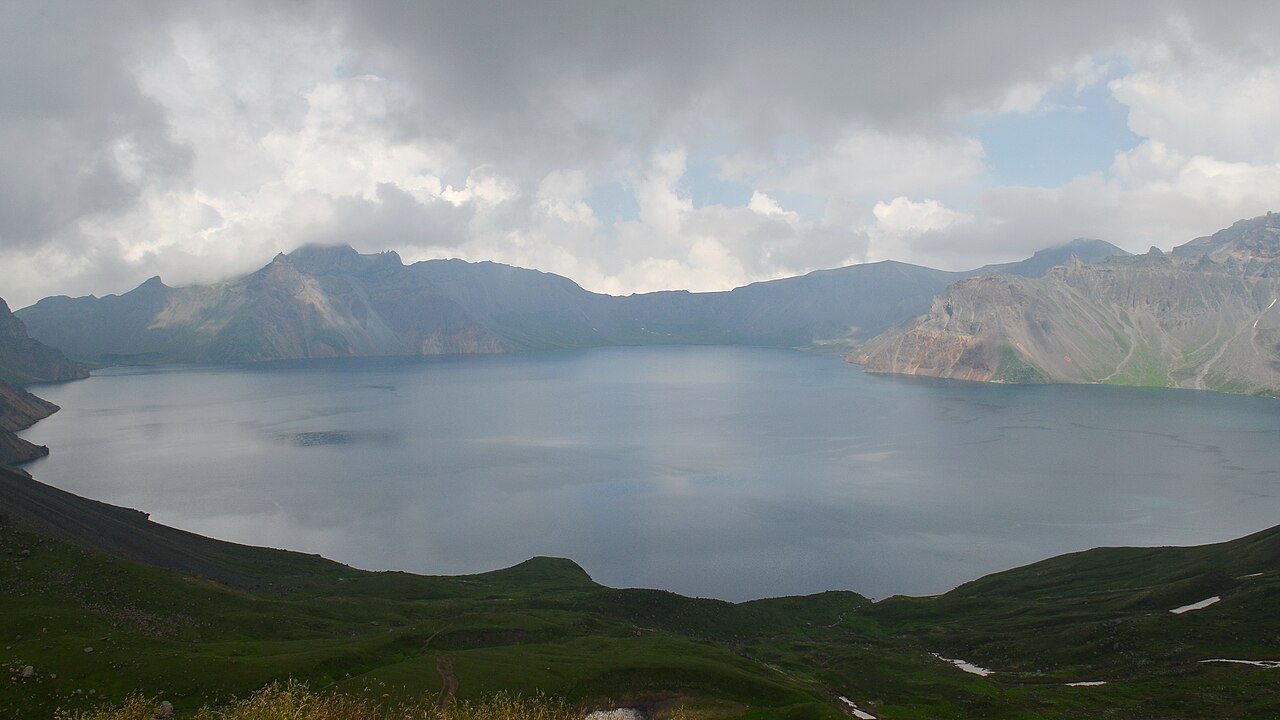
Changbai Mountain is located at the border of Yanbian Korean Autonomous Prefecture and Baishan City in Jilin Province. Its main peak, Baiyun Peak, rises to 2,691m, the highest point in Northeast China. Heaven Lake is the volcanic crater lake at the summit, with a surface elevation of 2,194m, area of 9.8 km², and maximum depth of 373m — China's deepest lake and a border lake between China and North Korea.
Highlights:
- · Heaven Lake — Volcanic crater lake, frozen and snow-covered in winter, sapphire blue in summer, year-round visibility ~60–70%
- · Changbai Waterfall — A 68m waterfall formed at the northern outlet of Heaven Lake, flows year-round without freezing
- · Julong Hot Springs — Volcanic geothermal springs, water temperature above 80°C, can boil eggs
- · Green Abyss Pool, Underground Forest — Two additional North Scenic Area attractions: waterfall and primeval forest
Recommended Route: Take the North Scenic Area — Heaven Lake + Changbai Waterfall + Julong Hot Springs + Green Abyss Pool + Underground Forest, all 5 spots in one deep-dive day. Whether Heaven Lake is visible depends on summit weather — even if Heaven Lake is closed, the other 4 are still top-tier experiences.
Yanji is the capital of Yanbian Korean Autonomous Prefecture, located in eastern Jilin Province bordering North Korea. Ethnic Koreans make up about half of the population, making it the city with the strongest Korean ethnic culture in China. Experience Korean ethnic customs without leaving the country — language, cuisine, architecture, and culture are completely different from the Han Chinese areas of Dongbei.
Highlights:
- · Water Market — Morning bustle, Korean specialty snacks: rice cakes, blood sausages, cold noodles, bibimbap, soup rice
- · Viral Barrage Wall — Korean character signboard wall at Yanbian University entrance, photo hotspot
- · Korean Folk Park — Experience traditional costumes, cuisine, and architectural culture
- · Food — Korean bibimbap, BBQ, cold noodles, rice cakes — completely different from Dongbei cuisine
Recommended Route: Morning at Water Market for breakfast, morning at Korean Folk Park, afternoon at the viral barrage wall for photos + free exploration. Yanji is small — one day is enough. Food is Yanji's biggest highlight — authentic Korean bibimbap and BBQ, not tour group meals.
Yabuli is located in Shangzhi City, Heilongjiang Province, home to China's largest ski resort and host of the 1996 Asian Winter Games. In summer, it's a summer escape — the Forest Train winds through pristine forest, a vintage experience. In winter, it's China's best ski resort — slopes for all levels from beginner to expert.
Highlights:
- · Forest Train — Vintage narrow-gauge railway, winding through pristine forest, ~1 hour experience
- · Ski Resort (Winter) — China's largest, covering beginner/intermediate/expert slopes
- · Primeval Forest — Summer escape, autumn foliage viewing
- · Hengdaohezi Russian-style Town — Near Yabuli, oil-painting-like vintage streets, Russian onion domes
Recommended Route: In summer, ride the Forest Train through the forest + explore Hengdaohezi Russian-style town. In winter, arrange a ski experience (2–3 hours, beginner slopes). Yabuli to Harbin is about 2 hours by car; you can reach Harbin the same day.
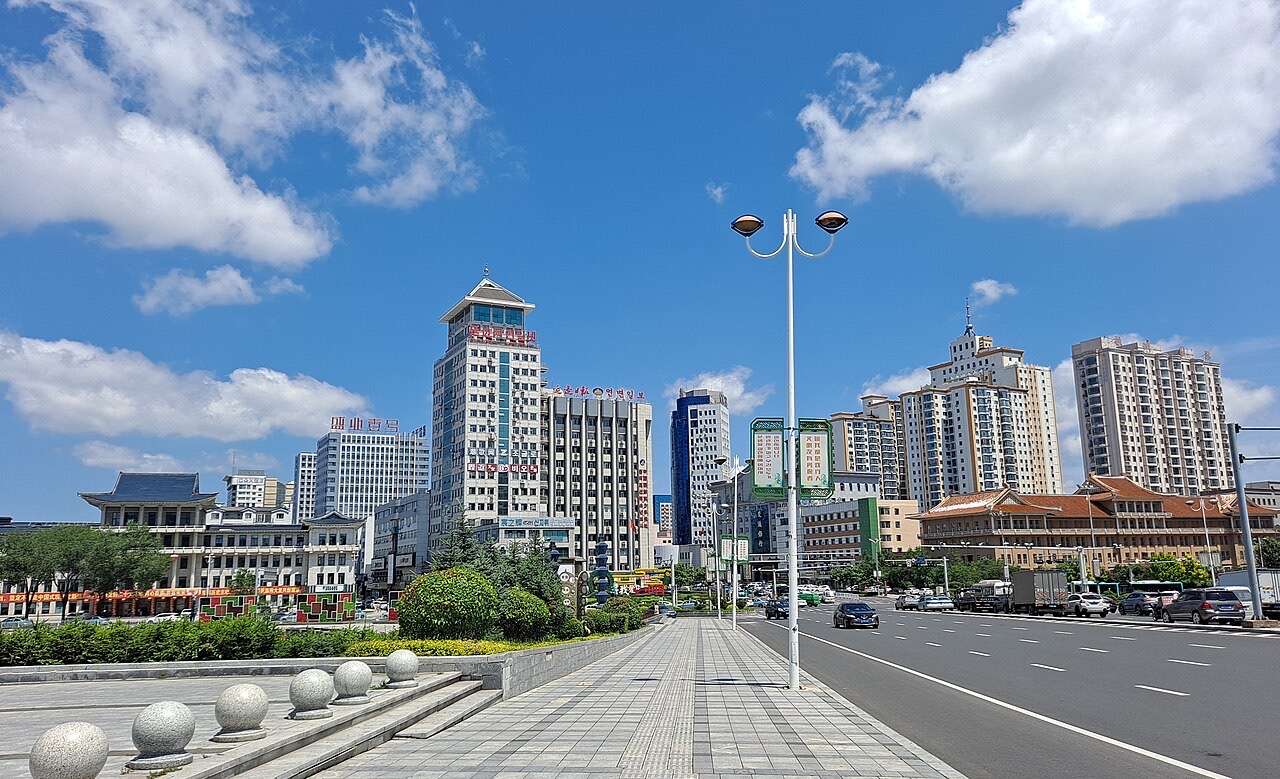
Harbin is the capital of Heilongjiang Province, China's highest-latitude provincial capital, nicknamed the "Ice City." It emerged in the late 19th century with the construction of the Chinese Eastern Railway, attracting large numbers of Russian settlers who left behind a dense collection of Russian-style architecture — St. Sophia Cathedral, Central Street, and the Flood Control Monument earn it the title "Oriental Little Paris."
Highlights:
- · St. Sophia Cathedral — The largest Eastern Orthodox church in the Far East, Byzantine onion dome, Harbin's landmark
- · Central Street — Century-old pedestrian street lined with European architecture, 1.4 km long — Modern Popsicle is a must-try
- · Ice and Snow World (Winter) — The world's largest ice and snow theme park, opens late December
- · Songhua River — Walk on the ice in winter, riverside stroll in summer
Recommended Route: St. Sophia Cathedral + Central Street takes half a day. In winter, add Ice and Snow World — enter at dusk to see ice sculptures by day and illuminated displays by night, 3–4 hours. In summer, stroll along the Songhua River. Harbin is the last stop on the Dongbei journey — free time + departure.
What to Eat in Dongbei
Guo Bao Rou, Chicken Stewed with Mushrooms, Korean Bibimbap, BBQ — where locals eat, not kickback restaurants.
Dongbei cuisine is a major highlight of this trip — generous portions with bold flavors. Yanji's Korean cuisine is especially unique. The following recommendations are not tourist-trap kickback restaurants but places where locals eat daily. Prices in RMB with USD reference.
Other Worth Trying
- Dongbei Big Board / Modern Popsicle — Eating ice cream on the street in winter is a Harbin ritual; Modern is a century-old brand
- Red Sausage — Harbin specialty, Russian-style flavor, Qiulin Red Sausage is most famous, great as a souvenir
- Cold Noodles — Yanji Korean ethnic specialty, buckwheat noodles in ice-cold broth, best enjoyed in summer
- Di San Xian (Three Earthly Delights) — Stir-fried potato, eggplant, and green pepper together, a Dongbei home-style dish, king of vegetable dishes
- Da Lieba (Russian Bread) — Harbin Russian-style large bread, "lieba" is a transliteration of the Russian word for "bread," hard crust, soft inside
Meal budget: USD 5–15 per person per day (approx. RMB 50–110) for excellent food. Tour group meals cost ¥30–40 per person but are poor quality — cafeteria-style, pre-made dishes. Finding local eateries yourself, the same money buys three times better food. Yanji's Water Market snacks are especially worth trying — sample a bit of each Korean specialty.
About Dongbei Travel
Start Planning Your Dongbei Trip
Tell us your group size and travel dates, and your travel consultant will customize your exclusive Dongbei itinerary.
Brand Direct · Fully Licensed · ¥500K Travel Insurance · No Tipping
Key Takeaways
- Dongbei refers to Heilongjiang, Jilin, and Liaoning in Northeast China. A common travel route runs north to south from Changchun to Changbai Mountain, Yanji, and Harbin, combining classic Dongbei culture with Korean ethnic culture and Russian influence.
- The region has two main travel seasons. Winter from December to February is the signature season for snow scenery, skiing, and Harbin Ice and Snow World, while summer from June to August is cooler and better for flowers and escaping the heat.
- Key sights mentioned in the guide include Changbai Mountain Heaven Lake, Harbin's Russian-style landmarks, Yanji's Korean ethnic culture, Yabuli Ski Resort, Harbin Ice and Snow World, and the forest train section from Yabuli to Hengdaohezi.
- Singapore passport holders can enter China visa-free for 30 days, and Malaysian passport holders can also enter visa-free for 30 days subject to 2026 policy. In Dongbei, foreign visitors do not need special regional permits, but travelers should carry their passport, especially around Yanji where some border checks may occur.
- Winter travel requires serious cold-weather preparation because temperatures can drop to -20 to -30°C. The article also advises avoiding Chinese New Year if possible, as Harbin and Xuexiang become crowded and prices double.
Official resources
- Ministry of Culture and Tourism of the People's Republic of China (mct.gov.cn) — the national regulator for licensed travel agencies
- National Immigration Administration (nia.gov.cn) — official entry, exit, and immigration information for mainland China
- Consular Services, Ministry of Foreign Affairs (cs.mfa.gov.cn) — official consular information and travel notices