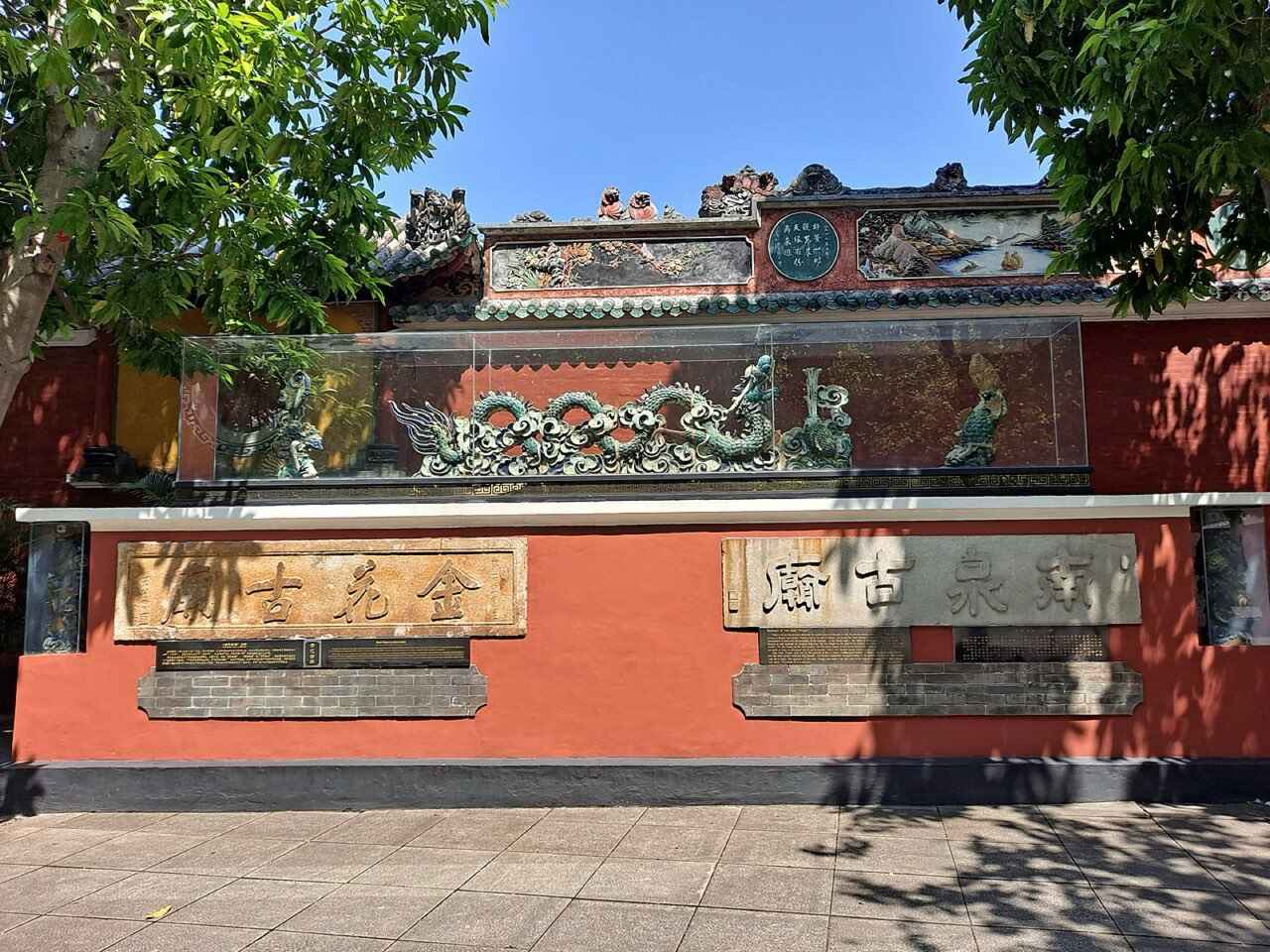
Guangdong Travel Guide (Foshan · Shunde · Pearl River Delta)
Where it is, when to go, how to get there, how much it costs, what to see, what to eat — a complete guide for global overseas Chinese travelers. Not marketing fluff; real, actionable travel reference. Shunde is a UNESCO City of Gastronomy; the core value of this Guangdong route lies in the food.
Where Are Guangzhou, Foshan & Shunde
The heart of the Pearl River Delta — three cities just 30–60 minutes apart. One of China's densest concentrations of culinary culture.
Geography
Guangzhou, Foshan, and Shunde are located in the south-central part of Guangdong Province, in the core of the Pearl River Delta. Guangzhou is the provincial capital and one of China's four first-tier cities (Beijing, Shanghai, Guangzhou, Shenzhen), with a population of about 18 million. Foshan, immediately west of Guangzhou, is a key birthplace of Lingnan culture — hometown of Wong Fei-hung, Ip Man, and Bruce Lee. Shunde, originally a county-level city, is now Shunde District of Foshan City. It is a UNESCO City of Gastronomy — only 6 cities in China hold this title.
These three cities form one of China's most compact metropolitan clusters — Guangzhou to Shunde is only a 45-minute drive, Shunde to Foshan 30 minutes, Foshan back to Guangzhou 50 minutes. This means you'll spend no more than 1.5 hours a day on the road during a 5-day itinerary; most of your time is spent eating and exploring, not rushing between destinations. Guangzhou is one of the most accessible first-tier cities in China for travelers from Singapore and Malaysia — direct flights take only 4 hours, making it an ideal destination for visiting family or a short food getaway.
Why Visit
The three Pearl River Delta cities offer China's densest concentration of food and Lingnan cultural experiences:
- Shunde Cuisine — UNESCO City of Gastronomy, birthplace of Cantonese cuisine; "Eat in Guangzhou, chefs from Fengcheng (Shunde)"
- Foshan Kung Fu — hometown of Wong Fei-hung, Ip Man, and Bruce Lee; daily lion dance and martial arts performances at the Ancestral Temple
- Lingnan Architecture — Chen Clan Academy with its three master crafts (stone carving, brick carving, wood carving); Qinghui Garden, one of Guangdong's Four Great Gardens; Shamian Island's European architecture cluster
- Cantonese Morning Tea — har gow, siu mai, rice noodle rolls, char siu bao; the birthplace of Cantonese dim sum culture
- Nanfeng Ancient Kiln — a 500-year-old wood-fired dragon kiln still in use today; a global ceramic art pilgrimage site
- Compact Urban Span — three cities within 30–60 minutes' drive; you can deeply eat your way around in 5 days without rushing
For overseas Chinese travelers from Singapore and Malaysia, the unique value of Guangzhou-Foshan-Shunde is that it is the birthplace and culmination of Cantonese cuisine. The Cantonese food overseas Chinese know and authentic Guangdong local Cantonese food are two different things — it's worth coming to try the real thing. Plus, this route is a short 5-day trip, completely flat with no mountain climbing, and the drives are extremely short. It's perfect to slot in before or after a family visit to China, or as a standalone food getaway.
Best Season to Visit
The Pearl River Delta is a year-round destination, but comfort varies by season. Below is a month-by-month breakdown:
| Month | Temperature | Highlights | Rating |
|---|---|---|---|
| Mar–Apr | 15–25°C | Spring blooms, occasional humid "hui nan tian" | ★★★★★ |
| May | 20–30°C | Pre-summer, lychee season begins | ★★★★☆ |
| Jun–Aug | 26–35°C | Hot and rainy, occasional typhoon | ★★★ |
| Sep–Nov | 18–28°C | Crisp autumn, best for outdoor exploration | ★★★★★ |
| Dec–Jan | 10–20°C | Coolest months, top pick for heat-averse | ★★★★ |
| Feb | 12–22°C | Spring Festival homecoming peak, most expensive flights | ★★ (peak) |
Conclusion: March–May and September–November are the golden windows for Pearl River Delta travel — comfortable temperatures, perfect for garden and old street exploration. June–August is hot and rainy but air-conditioned indoors; Shunde food is season-independent. December–January is coolest, ideal for heat-averse travelers. Avoid the May Day and National Day Golden Weeks — overwhelmingly crowded. Spring Festival is the homecoming peak with most expensive flights.
What to Prepare Before Departure
Visa, payment methods, clothing, gear — don't miss a thing.
Visa & Documents
Singapore Passport: 30-day visa-free entry to China, no advance visa application needed. Ensure passport validity exceeds 6 months.
Malaysia Passport: 30-day visa-free entry to China (2026 policy); a 5-day trip is fully covered. If your trip exceeds 30 days, apply for a visa in advance. Check the latest policy before travel.
Guangdong Region: No additional restrictions for foreign visitors — same as going to Beijing or Shanghai. Guangzhou, Foshan, and Shunde are open to all foreign visitors with valid documents; no special permits required.
Carry ID at all times: Passport required for attractions and hotel check-in. Carry a photocopy as backup.
Payment Methods
China is highly cashless. Prepare multiple mobile payment options:
- WeChat Pay / Alipay — link international credit card to scan and pay; covers the vast majority of merchants
- UnionPay Card — works at convenience stores and malls; some accept Visa/Mastercard
- Cash — bring a small amount of RMB; street stalls and old heritage shops may only accept cash
- Tip — set up WeChat Pay or Alipay international version before departure and link your credit card. Much more convenient than exchanging cash
Special Note: Shunde street food stalls and heritage shops may not accept international credit cards — prepare WeChat Pay or a small amount of cash. Your travel consultant can pay on your behalf and settle later.
Clothing Checklist
The Pearl River Delta is warm and humid; dress light and comfortable:
- Mar–May / Sep–Nov: Short sleeves + light jacket; minimal temperature swing but mall AC is cold
- Jun–Aug: Pure summer wear; quick-dry best — humid and sweaty, bring changes
- Dec–Feb: Long sleeves + light down or windbreaker; 10–20°C isn't cold but humidity makes it feel cooler
- Rain gear: Folding umbrella — afternoon showers common Jun–Aug; "hui nan tian" humidity in Mar–Apr
- Shoes: A good pair of walking shoes — gardens, old streets, and pedestrian streets require walking
- Sun protection: Sunglasses, hat — Guangzhou sun is strong; a full day outdoors requires protection
Special Note: "Hui nan tian" (occasional Mar–Apr) humidity can exceed 95% — clothes won't dry, floors get slippery. If it hits, focus on indoor activities — perfect for museums and eating.
Packing Checklist
- Electronics: Power bank (photos drain battery fast), car charger adapter
- Medications: Stomach medicine (Shunde raw fish is raw; dietary changes may cause discomfort), cold medicine, band-aids
- Other: Thermos (for morning tea), wet wipes, a few snacks
- Luggage: One large suitcase + one carry-on per person recommended. Guangdong has many specialties — Cantonese cured meats, dried tangerine peel, instant Double-Skin Milk packs
Note: Shunde raw fish is raw freshwater fish; those with sensitive stomachs should sample cautiously or skip. Your travel consultant will recommend suitable dishes based on your health situation.
How to Get to Guangzhou & Travel Between Three Cities
The Pearl River Delta urban cluster has good roads and short drives — transport isn't the biggest cost item, but choosing the right mode makes all the difference in experience.
Getting to Guangzhou
Fly to Guangzhou Baiyun International Airport (CAN) — This is the entry point for the vast majority of travelers.
From Singapore:
- Direct: Singapore–Guangzhou, ~4 hours (multiple airlines, high frequency)
- Transit: Singapore–Hong Kong/Shenzhen–Guangzhou, total 5–6 hours, lower cost
From Malaysia (Kuala Lumpur):
- Direct: Kuala Lumpur–Guangzhou, ~4 hours (AirAsia has direct flights, affordable)
- Transit: Kuala Lumpur–Hong Kong/Shenzhen–Guangzhou, total 5–6 hours
Tip: Guangzhou is one of the most convenient Chinese cities for overseas Chinese travelers to fly directly into — high flight frequency, relatively low prices. Book flights 1–2 months in advance; peak season (Spring Festival, Golden Week) prices double. AirAsia often has promotions; great value from Kuala Lumpur. You can also fly to Shenzhen Bao'an Airport and transfer to Guangzhou — about 1.5 hours' drive.
Inter-City Transport
Guangzhou, Foshan, and Shunde form China's most compact metropolitan cluster, with extremely short distances between attractions:
- Guangzhou–Shunde: ~45 minutes by highway
- Shunde–Foshan (Ancestral Temple): ~30 minutes
- Foshan–Guangzhou: ~50 minutes
- Within Guangzhou: Metro covers major attractions; taxi 20–40 minutes
Transport Options:
- Private car / custom tour (Recommended): 7-seat business van + driver-guide, flexible stops, controlled itinerary, ideal for 4–6 person family trips. No more than 1.5 hours daily on the road
- Metro + taxi: Guangzhou metro is extensive, but going to Shunde/Foshan requires transfers + taxi — cumbersome
- Self-drive: Pearl River Delta roads are good but parking is difficult; old town streets are narrow — not driver-friendly
- Group bus tour: Cheapest but most exhausting — "food tour" group meals are mass-produced; the "heritage restaurants" they take you to are tourist traps with guide kickbacks
Core Conclusion: The Pearl River Delta urban cluster is far more compact than Yunnan or Xinjiang — transport isn't the biggest cost item. But your transport choice determines whether you eat real local food or tourist-trap meals. The key is avoiding shopping tours and fake food tours.
Travel Arrangements: Industry Norm vs. Our Approach
How Much a Guangzhou Foshan Shunde Trip Costs
Based on a 5-day 4-night Guangzhou entry/exit route. Quoted primarily in USD, with RMB/MYR/USD reference.
The following costs are based on a 5-day 4-night Guangzhou entry/exit, Guangzhou–Foshan–Shunde three-city route. Prices include all transport, accommodation, tickets, and insurance. Excludes round-trip flights and lunch/dinner. Actual prices vary with group size, hotel tier, and season.
Cost Notes
- Included: Full private vehicle (fuel/tolls/parking), hotels (with breakfast), attraction tickets (Qinghui Garden / Ancestral Temple / Nanfeng Ancient Kiln), lion dance performance ticket, ¥500,000 travel accident insurance, airport transfers
- Not Included: Round-trip flights to Guangzhou, lunch/dinner (recommended flexible — driver-guide recommends local eateries), personal expenses, visa fees (Singapore, Malaysia and most other passports enjoy visa-free entry)
- Meal Budget Reference: Lunch and dinner average USD 5–20/person/day (approx. RMB 50–135) for excellent food — Double-Skin Milk, Sangna Chicken, Congee Hotpot, Cantonese morning tea
- Flight Budget Reference: Singapore/KL round-trip to Guangzhou, book early USD 150–300 peak season USD 300–525
Actual prices vary with vehicle type and hotel tier. Tell us your group size and travel dates, and a travel consultant will provide a precise quote.
Four Must-Visit Places
Chen Clan Academy, Qinghui Garden, Ancestral Temple, Nanfeng Ancient Kiln — highlights and pitfalls for each.
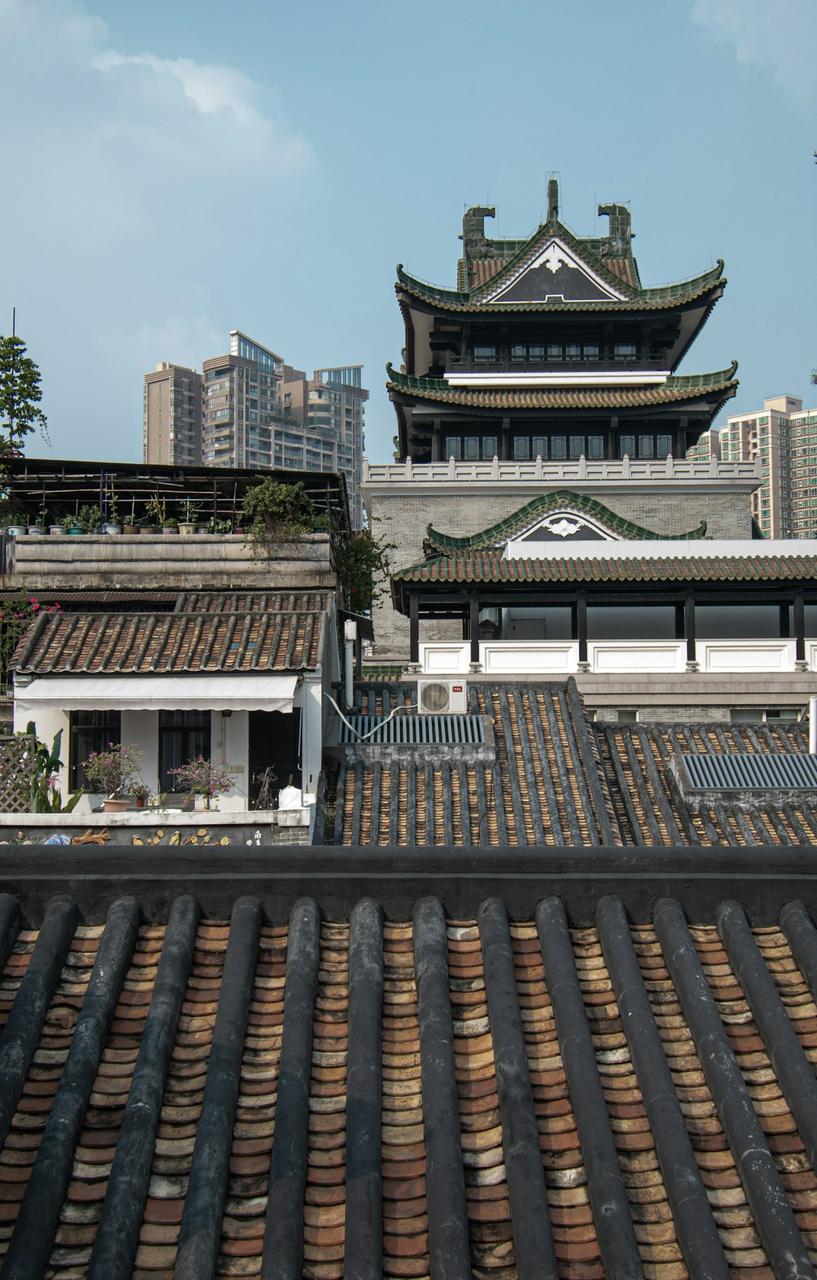
Chen Clan Academy, built in the 14th year of the Guangxu era (1888), is an academy funded by the Chen clan from 72 counties of Guangdong. Now the Guangdong Folk Arts Museum, it is the best-preserved and most exquisitely decorated ancestral hall building in Lingnan — stone carving, brick carving, wood carving, ceramic sculpture, lime sculpture, copper-iron casting, and painted decoration — all "Seven Arts" in one place.
Highlights:
- · Stone, Brick & Wood Carving Masterpieces — ceramic figurines on the roof ridges are lifelike down to the beards
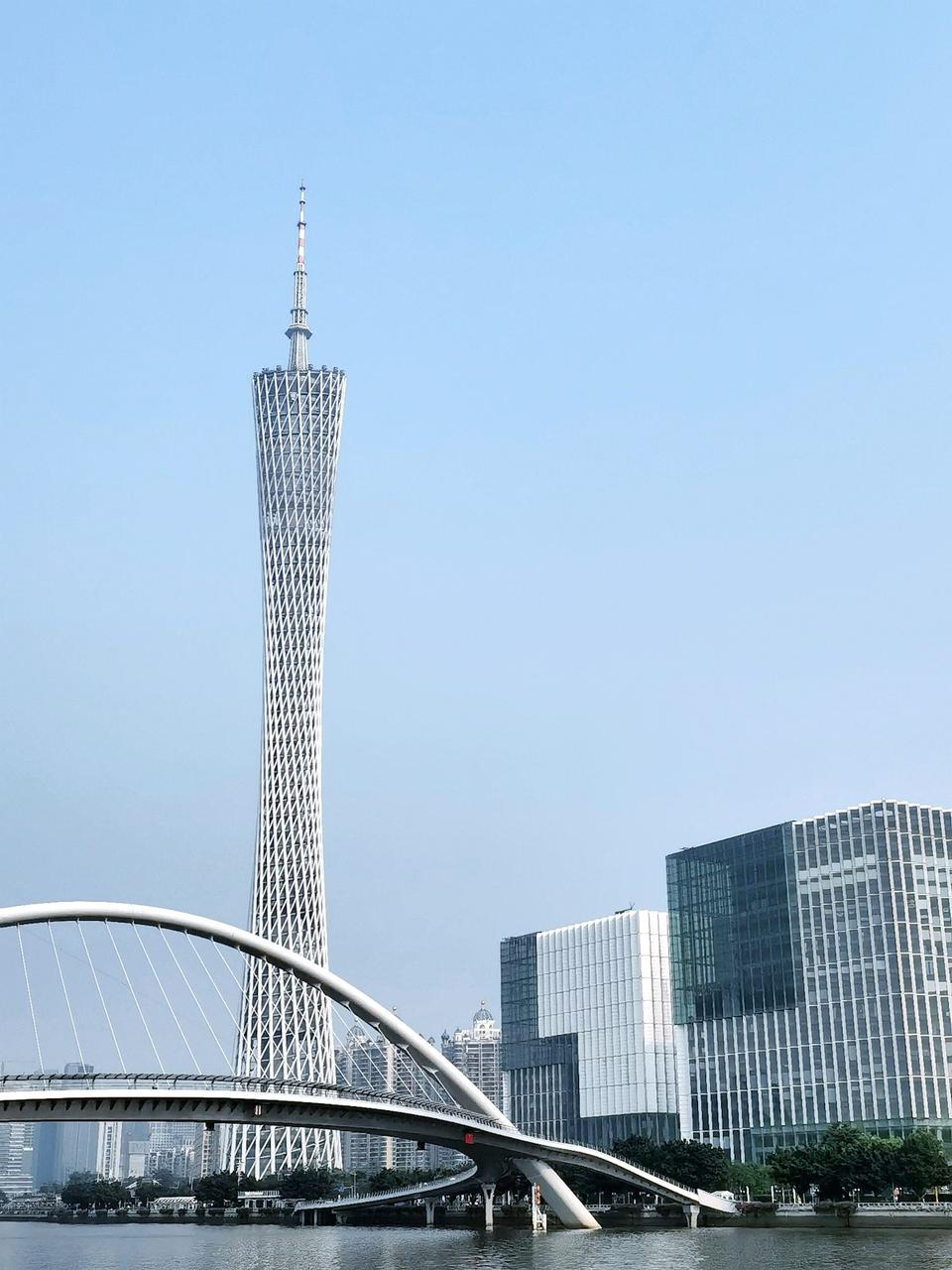
- · Huacheng Square + Haixin Bridge — best angle for photographing the Canton Tower; free, no queue
- · Yongqing Fang — renovated old Xiguan alleyways; more character than Beijing Road
- · Shamian Island — 19th-century British-French concession architecture cluster; a lovely walk under the tree canopy
Best Time: Year-round. Early morning is quietest and most pleasant. Peak season (Golden Week) is crowded. Canton Tower: no ascent — viewing from afar + Haixin Bridge angle is better than going up; free, no queue.
Qinghui Garden, located in Daliang, Shunde, was built in the Ming Dynasty. It is one of Guangdong's Four Great Gardens (along with Foshan's Liang Garden, Panyu's Yuyin Shanfang, and Dongguan's Ke Garden). With pavilions, towers, rockeries, ponds, and lush flora, it is the quintessential Lingnan garden. Shunde is a UNESCO City of Gastronomy — only 6 cities in China hold this title.
Highlights:
- · Qinghui Garden — Lingnan garden masterpiece; pavilions over water, views shifting with every step; at least 1 hour to explore
- · Huagai Road Pedestrian Street — Shunde old street; snack central
- · Shunde Cuisine — Water Buffalo Milk Double-Skin Milk, Sangna Chicken, Congee Hotpot, Raw Fish
- · Happy Coast — modern commercial area, nice for an after-meal stroll
Best Time: Year-round. March–May and September–November most comfortable; garden flora at its best. Shunde food is season-independent — Double-Skin Milk and Sangna Chicken are delicious year-round.
Foshan Ancestral Temple was first built during the Yuanfeng era of Northern Song (1078–1085). It is a Daoist temple dedicated to the Northern Emperor Xuantian Shangdi and is now a landmark cultural site in Foshan. Wong Fei-hung, Ip Man, and Bruce Lee are all Foshan natives — the Ancestral Temple houses the Wong Fei-hung Memorial Hall and Ip Man Hall, with daily lion dance and martial arts performances; authentic Foshan kung fu heritage.
Highlights:
- · Lion Dance Performance — three shows daily (10:00 / 14:15 / 15:30); live viewing far more impressive than video
- · Wong Fei-hung Memorial Hall — kung fu master's life story; Foshan martial arts culture
- · Lingnan Tiandi — old factory-turned cultural quarter; more artsy than Shenzhen OCT
- · Nanfeng Ancient Kiln — 500-year-old wood-fired dragon kiln, still in use today
Recommended Route: Morning: catch the 10:00 lion dance, then explore the Ancestral Temple + Wong Fei-hung Memorial Hall. Afternoon: Lingnan Tiandi + Nanfeng Ancient Kiln. Your travel consultant times the performance for you, arriving 5 minutes early to get good spots.
Shamian Island is a small island in the Pearl River that became a British-French concession in 1861. It has over 150 European-style buildings, ancient trees, and a tranquil atmosphere — overseas Chinese travelers might find it reminiscent of Singapore's Raffles Hotel area. Xihua Road is Guangzhou locals' food street, not the touristy Shangxiajiu or Beijing Road.
Highlights:
- · Shamian Island — 150+ European-style buildings, ancient tree canopy; most pleasant for a stroll
- · Xihua Road — Guangzhou locals' food street, not a tourist strip
- · Beijing Road — commercial pedestrian street; convenient for buying souvenirs
- · Sacred Heart Cathedral — one of only four fully stone-built Gothic cathedrals in the world
Best Time: Year-round. Early morning Shamian Island is quietest and most pleasant. Xihua Road liveliest in the evening — locals come after work for late-night snacks.
What to Eat in Guangzhou, Foshan & Shunde
Double-Skin Milk, Sangna Chicken, Congee Hotpot, Raw Fish, Cantonese Morning Tea — local eateries, not viral check-in shops.
The core value of the Guangdong route is food. Shunde is a UNESCO City of Gastronomy — many Cantonese master chefs hail from Shunde: "Eat in Guangzhou, chefs from Fengcheng." The following are not the top hit on Xiaohongshu's viral shops, but where locals eat daily. Prices in RMB with USD reference.
More Worth Trying
- Claypot Rice (Bao Zai Fan) — Guangzhou winter soul food; cured meats + rice + crispy bottom crust; one pot does it all
- White Cut Chicken (Bai Qie Ji) — Cantonese cuisine fundamentals; smooth skin, tender meat, dipped in ginger-scallion sauce
- Cantonese Roasted Meats (Shao La) — char siu, roast goose, soy sauce chicken; the Cantonese roast platter
- Chencun Rice Noodles — Shunde Chencun Town specialty; rice noodles thin as cicada wings
- Lunjiao Cake — Shunde Lunjiao Town specialty; fermented rice paste cake; lightly sweet and sour
Meal budget: USD 5–20/person/day (approx. RMB 50–135) for excellent meals. Group tour meals cost ¥30–40/person but are poor quality — mass-produced, pre-made. Finding local eateries yourself, the same money buys three times better food.
About Guangzhou Foshan Shunde Travel
Start Planning Your Guangdong Food Journey
Tell us your group size and travel dates, and a travel consultant will customize your Guangzhou Foshan Shunde itinerary.
Brand Direct · Fully Licensed · ¥500K Travel Accident Insurance · No Tipping
Key Takeaways
- Guangzhou, Foshan, and Shunde sit in the core of the Pearl River Delta and are only about 30–60 minutes apart. The route is designed as a compact 5-day trip with short transfers and mostly flat terrain.
- The main draw of this route is food, especially Shunde cuisine, with Shunde identified in the article as a UNESCO City of Gastronomy. The article also highlights Lingnan culture, kung fu heritage in Foshan, traditional gardens, historic architecture, and the Nanfeng Ancient Kiln.
- The guide says the best times to visit are March–May and September–November for more comfortable weather. It advises avoiding May Day and National Day Golden Weeks because of crowds, and notes Spring Festival as the peak homecoming period with the most expensive flights.
- For documents, the article says Singapore passport holders have 30-day visa-free entry, and Malaysia passport holders have 30-day visa-free entry under a 2026 policy, with travelers advised to check the latest rules. It also says no special regional permits are needed for Guangzhou, Foshan, and Shunde beyond valid travel documents.
- Payment in the region is described as highly cashless, with WeChat Pay and Alipay recommended and UnionPay useful in some places. The article also recommends carrying some RMB cash because some Shunde street food stalls and heritage shops may not accept international credit cards.
Official resources
- Ministry of Culture and Tourism of the People's Republic of China (mct.gov.cn) — the national regulator for licensed travel agencies
- National Immigration Administration (nia.gov.cn) — official entry, exit, and immigration information for mainland China
- Consular Services, Ministry of Foreign Affairs (cs.mfa.gov.cn) — official consular information and travel notices