Guizhou Travel Guide
Where Guizhou is, when to go, how to get there, how much it costs, what to see, what to eat — a complete guide for global overseas Chinese travelers. Huangguoshu Waterfall, Libo Xiaoqikong, Xijiang Qianhu Miao Village — a perfect blend of mountain scenery and ethnic minority culture.
Where Is Guizhou
In the hinterland of southwest China, on the eastern slope of the Yunnan-Guizhou Plateau — 176,000 km², a multi-ethnic heartland.
Geography
Guizhou Province lies in the southwest hinterland of China, on the eastern slope of the Yunnan-Guizhou Plateau. It borders Hunan to the east, Guangxi to the south, Yunnan to the west, and Sichuan and Chongqing to the north. The province covers 176,000 km² with a population of 38 million. The terrain is predominantly mountainous plateau land with an average elevation of 1,100 meters — the saying goes "80% mountains, 10% water, 10% farmland" — 92.5% of the land is mountains and hills.
Guizhou is one of China's most ethnically diverse provinces, home to 48 minority groups including Miao, Dong, Bouyei, Tujia, and Yi peoples, with minorities accounting for 36% of the provincial population. This multi-ethnic culture is one of Guizhou's main draws — seeing the thousand lights at Xijiang Qianhu Miao Village, hearing the Grand Song of the Dong people at Zhaoxing — experiences rarely found in Southeast Asia.
Why Visit
Guizhou offers China's most distinctive combination of landscapes and ethnic culture:
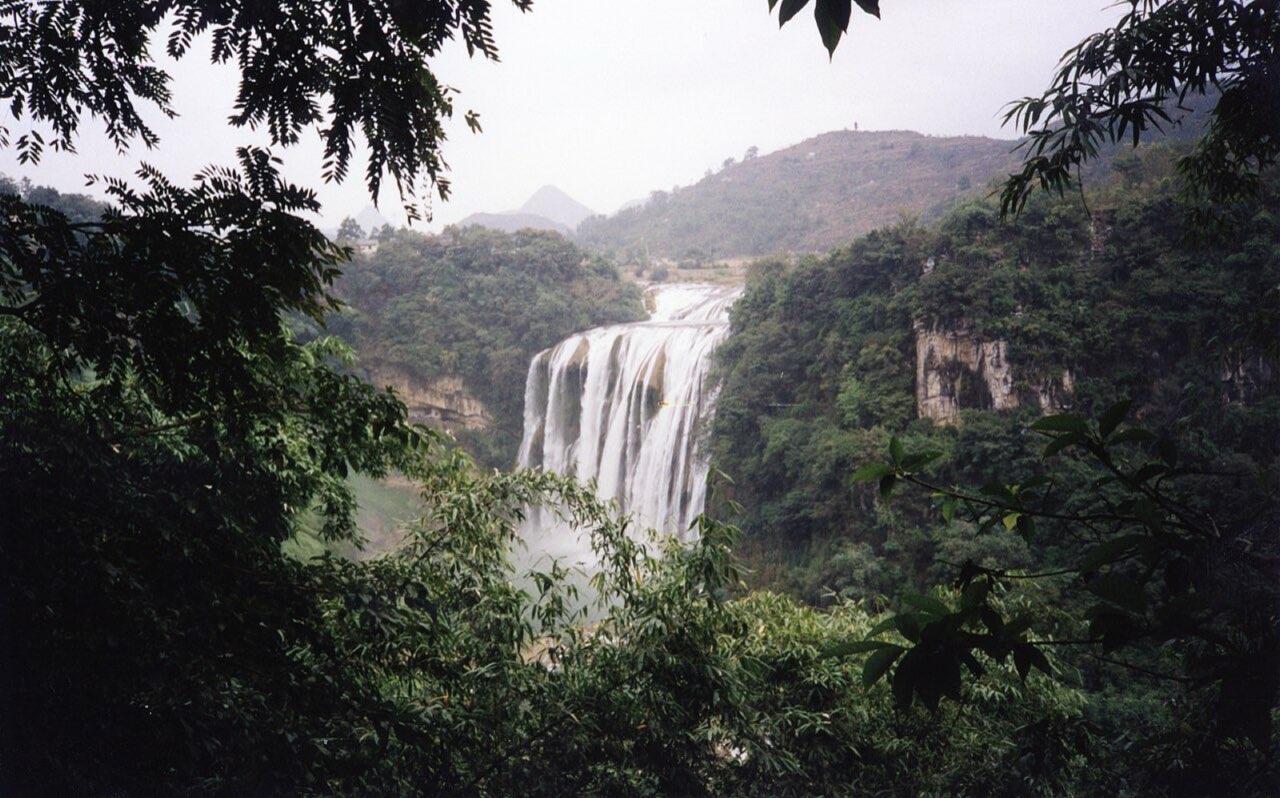
- Huangguoshu Waterfall — Asia's largest waterfall, 77.8m high & 101m wide, encompassing three scenic areas: the Great Waterfall + Tianxingqiao + Doupotang
- Libo Xiaoqikong — UNESCO World Heritage site, dubbed the "Emerald on the Earth's Belt," featuring 68-tier cascading waterfalls and water forests
- Xijiang Qianhu Miao Village — China's largest Miao village, built into the mountainside; at night, thousands of lights resemble a galaxy
- Multi-ethnic Culture — Miao, Dong, Bouyei and other groups living together, each with distinct architecture, cuisine, and music
- Guizhou Cuisine — including sour soup fish, silk baby wraps, changwang noodles, and Huaxi beef rice noodles — is known for its distinctive sour-and-spicy flavors, on par with those of Sichuan and Hunan
For overseas Chinese travelers from Singapore and Malaysia, Guizhou's unique value lies in offering highland landscapes and minority culture unavailable in Southeast Asia. The grandeur of Huangguoshu, the elegance of Xiaoqikong, the night magic of the Miao village — three completely different kinds of beauty on a single route. Guizhou also offers a more relaxed travel pace — unlike Xinjiang with 3–5 hours of driving daily, attractions are just 1–2 hours apart, perfect for family travel.
Best Travel Season
Guizhou has a subtropical monsoon climate and can be visited year-round, but experiences vary significantly by month. Here's a month-by-month breakdown:
| Month | Temperature | Landscape Features | Rating |
|---|---|---|---|
| Mar–Apr | 10–22°C | Mountain flowers bloom, waterfall flow recovering | ★★★ |
| May–Jun | 15–26°C | Flood season begins, waterfalls gaining power, fewer tourists | ★★★★ |
| Jul–Aug | 20–30°C | Waterfalls at peak power, Xiaoqikong at its greenest, peak crowds | ★★★★★ |
| Sep–Oct | 12–24°C | Autumn colors emerging, moderate water flow, fewer tourists, comfortable | ★★★★★ |
| Nov–Feb | 2–15°C | Dry season with reduced waterfalls, rich Miao village festive atmosphere | ★★★ (off-peak) |
In short, May to October is the best time to visit Guizhou. July–August has the most powerful waterfalls and greenest Xiaoqikong water, but also peak crowds. September–October brings autumn colors, moderate water, comfortable temperatures, and fewer tourists — the best value. November–March has smaller waterfalls but rich Miao village festivities, suitable for off-peak travel. Avoid the National Day Golden Week — crowds are 5–8× normal.
What to Prepare Before Departure
Visa, clothing, gear — your Guizhou pre-trip checklist.
Visa & Documents
Singapore Passport: 30-day visa-free entry to China, no advance visa application needed. Ensure your passport has at least 6 months validity.
Malaysia Passport: 30-day visa-free entry to China (2026 policy). If your itinerary exceeds 30 days, apply for a visa in advance. Check the latest policy before traveling.
Guizhou Region: No extra restrictions for foreign visitors — same as visiting Beijing, Shanghai, or Guangzhou. No special permits required. However, some hotels need to confirm that they are licensed to accept foreign guests — when booking with a proper travel service, this is something they should handle in advance.
Clothing Checklist
Guizhou is rainy and misty year-round with high humidity and significant day-night temperature swings. Prepare as follows:
- Outer layer: Lightweight windbreaker or thin jacket — mountain areas have large day-night temperature differences; even in July, you'll want a light jacket for Miao village evenings
- Mid layer: Long-sleeve T-shirts, light fleece — for daytime in cities and scenic areas
- Inner layer: Short sleeves — Guiyang daytime can reach 30°C in July–August
- Bottoms: Mainly long pants — there is a lot of walking on stone paths in the Miao village, also good for mosquito protection and ease of walking
- Shoes: A pair of non-slip, comfortable walking shoes — Miao village stone paths are slippery; don't wear heels or new shoes
- Rain gear: Folding raincoat or umbrella — rain in Guizhou comes without warning, showers possible at any time
Special note: Guizhou's UV isn't as intense as Xinjiang's, but you can still get sunburned on cloudy days. SPF30+ sunscreen is recommended. Your lips may dry out easily — bring lip balm.
Gear Checklist
- Rain gear: Folding raincoat (more convenient than an umbrella — Miao village alleys are narrow, you need hands free for photos), waterproof shoe covers
- Medicine: Stomach medicine (sour-spicy food may cause discomfort), motion sickness pills (winding mountain roads), cold medicine, band-aids
- Electronics: Power bank, waterproof phone pouch (you may get splashed at Xiaoqikong)
- Other: Mosquito repellent (lots of bugs in Miao village mountain areas), wet wipes, some snacks
- Luggage: One large suitcase + one carry-on per person recommended. Guizhou has many specialties — sour soup base, chili sauces, and silver jewelry
Note: Guizhou's elevation mainly ranges 800–1,500m, generally not causing altitude sickness. Huangguoshu Waterfall scenic area is about 850m, Miao village about 1,200m — most people feel no effects.
How to Get to Guizhou & Get Around
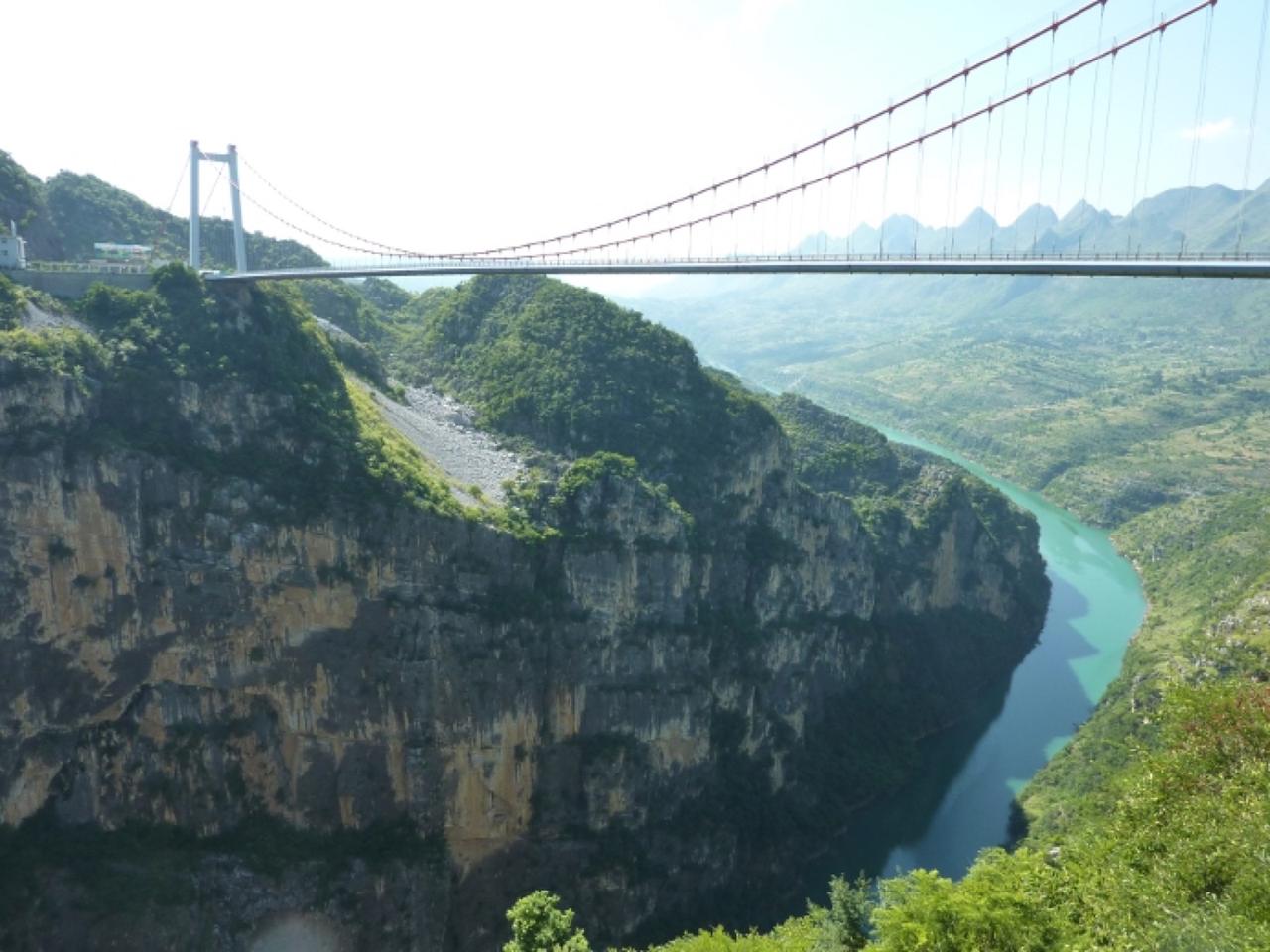
Guizhou's attractions are scattered — transport arrangements directly affect your travel experience.
Getting to Guizhou
Fly into Guiyang Longdongbao International Airport (KWE) — this is the entry point for the vast majority of travelers.
From Singapore:
- Connecting flights: Singapore → Guangzhou/Kunming/Chengdu → Guiyang, total 6–8 hours
- No direct flights; requires transit through mainland Chinese cities
From Malaysia (Kuala Lumpur):
- Connecting flights: KL → Guangzhou/Kunming → Guiyang, total 7–9 hours
- No direct flights; requires transit through mainland Chinese cities
Tip: Book flights 1–2 months in advance. Guangzhou and Kunming are the most convenient transit points — high flight frequency, short transit times. Guiyang is also a high-speed rail hub; the Guangzhou South → Guiyang North HSR takes about 4 hours, suitable for travelers not in a rush.
Getting Around Guizhou
Distances between Guizhou attractions aren't huge (100–300 km), but with many mountain roads and tunnels, actual driving times are longer than the distances might suggest. Intra-province transport is a key variable in the travel experience:
- Private car / custom tour (recommended): 7-seat business vehicle + driver-guide, flexible stops, controlled itinerary — ideal for 4–6 person family trips. Guiyang → Anshun (Huangguoshu) ~1.5 hrs, Anshun → Libo ~3.5 hrs, Libo → Xijiang ~3 hrs
- Self-drive: Roads are generally decent, but there are many winding mountain sections and frequent tunnels; roads can also become slippery in the rain. Risky for foreign drivers unfamiliar with local conditions
- Bus / High-speed rail: Guiyang to Anshun by HSR ~40 min, to Kaili (near Xijiang) ~40 min. But Libo has no HSR station, requiring ~3 hrs by bus. Suitable only for backpackers on a very tight budget
- Group tour bus: Cheapest but most exhausting — one hour at attractions and two hours at shopping stops, rushing all day
Key takeaway: Guizhou isn't like Xinjiang with 3–5 hours of daily driving; attractions are 1–3 hours apart. But with winding mountain roads, choosing the right vehicle and driver-guide still matters — those prone to motion sickness should prepare in advance.
Transport Arrangements: Industry Practice vs Our Approach
How Much Does a Guizhou Trip Cost
Based on a 5-day 4-night Huangguoshu → Xiaoqikong → Xijiang Miao Village route. Prices are in USD, with RMB/MYR/USD reference.
The following costs are based on a 5-day, 4-night Guiyang in/out itinerary covering Huangguoshu + Xiaoqikong + Xijiang Miao Village. Prices include all transport, accommodation, attraction tickets, and insurance, but exclude round-trip airfare and lunch and dinner. Actual prices fluctuate with group size, hotel class, and season.
Cost Breakdown
- Included: Full private vehicle (incl. fuel/tolls/parking), hotels (with breakfast), attraction tickets, ¥500K travel accident insurance, Miao village long-table banquet, airport transfers
- Not included: Round-trip airfare to/from Guiyang, lunch & dinner (we recommend leaving these flexible — driver-guide recommends local eateries), personal expenses, visa fees (Singapore, Malaysia and most other passports enjoy visa-free entry)
- Meal cost reference: Lunch & dinner avg. USD 5–10/person/day (approx. RMB 40–80) for very good food — sour soup fish, silk baby wraps, changwang noodles, Huaxi beef rice noodles
- Airfare reference: Singapore/KL to Guiyang round-trip, book early USD 225–450 peak season USD 450–750
Actual prices vary with vehicle type and hotel class. Tell us your group size and travel dates; your travel consultant will provide a precise quote.
Three Must-Visit Places
Huangguoshu Waterfall, Libo Xiaoqikong, Xijiang Qianhu Miao Village — highlights and pitfall alerts for each.
Huangguoshu Waterfall is located in Anshun city — Asia's largest waterfall, 77.8m high and 101m wide. The scenic area consists of three parts — the Great Waterfall, Tianxingqiao, and Doupotang — covering a scenic area of approximately 163 km². The Great Waterfall is China's and Asia's largest waterfall, featuring a Water Curtain Cave you can walk through behind the falls.
Highlights:
- · Great Waterfall — 77.8m high, 101m wide; walk through the Water Curtain Cave behind the falls
- · Tianxingqiao — the water-and-stone forest and Silver Chain Pool Waterfall, a karst landscape wonder
- · Doupotang — The widest section among the Huangguoshu waterfall cluster
Best time: June–August flood season — maximum water volume, most spectacular. September–October moderate flow, fewer tourists. November–March dry season with reduced flow.
Xiaoqikong (Small Seven-Arched Bridge) is located in Libo County, Qiannan Prefecture, and is a key component of the "South China Karst" UNESCO World Heritage site. The scenic area integrates mountains, water, forests, caves, lakes, and waterfalls — earning the nickname "Emerald on the Earth's Belt." Core attractions include the Xiaoqikong Ancient Bridge, 68-Tier Cascading Waterfall, Laya Waterfall, Water Forest, Wolong Pool, and Mandarin Duck Lake.
Highlights:
- · 68-Tier Cascading Waterfall — Layer upon layer of waterfalls, cascading in layers with a powerful roar
- · Water Forest — Trees growing in water; walk across stone piers through the forest
- · Wolong Pool — Emerald-green pool water, translucent like jade
- · Mandarin Duck Lake — Explore a maze of waterways by rowboat
Best time: July–August — greenest water, most spectacular waterfalls. May–June rising water levels also beautiful. September–October autumn colors reflected in water, fewer tourists, comfortable.
Xijiang Qianhu Miao Village is located in Leishan County, Qiandongnan Prefecture — China's largest Miao settlement, built into the mountainside with approximately 1,400 households. It's listed on UNESCO's tentative World Heritage list. The essence of the Miao village is the night view — at dusk, thousands of lights illuminate the entire valley like a galaxy. The morning sight of cooking smoke rising from the stilted houses is equally unforgettable.
Highlights:
- · Night View — Thousands of lights illuminate the valley like a starry sky
- · Morning Scene — Cooking smoke rising from stilted houses, even more tranquil than evening
- · Long-Table Banquet — Traditional Miao long-table feast + song & dance performance
- · Viewing Platform — The best vantage point overlooking the entire village
Best time: Year-round. Night and morning views are beautiful in every season. Peak season (July–August) requires advance room booking — Miao village accommodation is can be difficult to book during peak season.
What to Eat in Guizhou
Sour soup fish, silk baby wraps, changwang noodles, Huaxi beef rice noodles — local eateries, not kickback restaurants.
Guizhou cuisine is famous for its "sour" — a local saying goes: "Three days without sour, legs go wobbly." Guizhou's sour is different from Sichuan spice, centered on sour soup and fermented chili with rich layers. The following recommendations are local daily eats, not tour-group kickback restaurants. Prices in RMB with USD reference.
Other Worth Trying
- Houttuynia (Fish Mint / Zhé'ěrgēn) — Guizhou people's soul side dish, served cold or stir-fried with cured pork; foreigners may need time to adjust
- Griddle (Làoguō) — Guizhou's version of teppanyaki, DIY grilling around the table, dipped in chili powder
- Pickled-Chili Crispy Fish (Zāolà Cuìpí Yú) — Crispy-skinned fish made with fermented chili paste, crispy outside, tender inside
- Yellow Cake (Huángbā) — Steamed glutinous rice + soybean flour cake, sweet but not cloying, great as a souvenir
- Moutai Liquor — Produced in Renhuai, Guizhou, China's national liquor. Even if you don't drink, the distillery tour is worth visiting to understand the craft
Meal cost reference: Lunch & dinner avg. USD 5–10/person/day (approx. RMB 40–80) is enough for a very good meal. Tour-group meals are ¥30–40/person but poor quality — bulk-cooked, pre-made dishes. Find local eateries yourself; the same money buys three times better food.
About Guizhou Travel
Start Planning Your Guizhou Trip
Tell us your group size and travel dates; your travel consultant will customize a Guizhou itinerary just for you.
Brand Direct · Fully Licensed · ¥500K Travel Accident Insurance · No Tipping
Key Takeaways
- Guizhou is a mountainous, multi-ethnic province in southwest China on the eastern slope of the Yunnan-Guizhou Plateau. It is known for combining natural scenery with the cultures of groups such as the Miao, Dong, and Bouyei.
- The article highlights Huangguoshu Waterfall, Libo Xiaoqikong, and Xijiang Qianhu Miao Village as key sights. It also notes Guizhou cuisine for its sour-and-spicy flavors, including dishes such as sour soup fish and changwang noodles.
- May to October is presented as the best time to visit. July and August have the strongest waterfalls and greenest scenery but the biggest crowds, while September and October offer comfortable weather and fewer tourists.
- For preparation, travelers should expect rain, humidity, and noticeable day-night temperature differences. The guide recommends layers, non-slip walking shoes, and rain gear because village stone paths can be slippery and showers can come suddenly.
- Singapore and Malaysia passport holders are described as having 30-day visa-free entry to China, with the article noting that Malaysia's policy is listed as a 2026 policy. No special permits are required for Guizhou, though some hotels need to be licensed to accept foreign guests.
Official resources
- Ministry of Culture and Tourism of the People's Republic of China (mct.gov.cn) — the national regulator for licensed travel agencies
- National Immigration Administration (nia.gov.cn) — official entry, exit, and immigration information for mainland China
- Consular Services, Ministry of Foreign Affairs (cs.mfa.gov.cn) — official consular information and travel notices