East China Travel Guide
Shanghai Disneyland, Suzhou Gardens, Wuzhen Water Town, Hangzhou West Lake — where they are, when to go, how to get there, how much it costs, what to see, what to eat. A complete guide for overseas Chinese travelers. No marketing fluff — just practical travel advice.
Where Is East China?
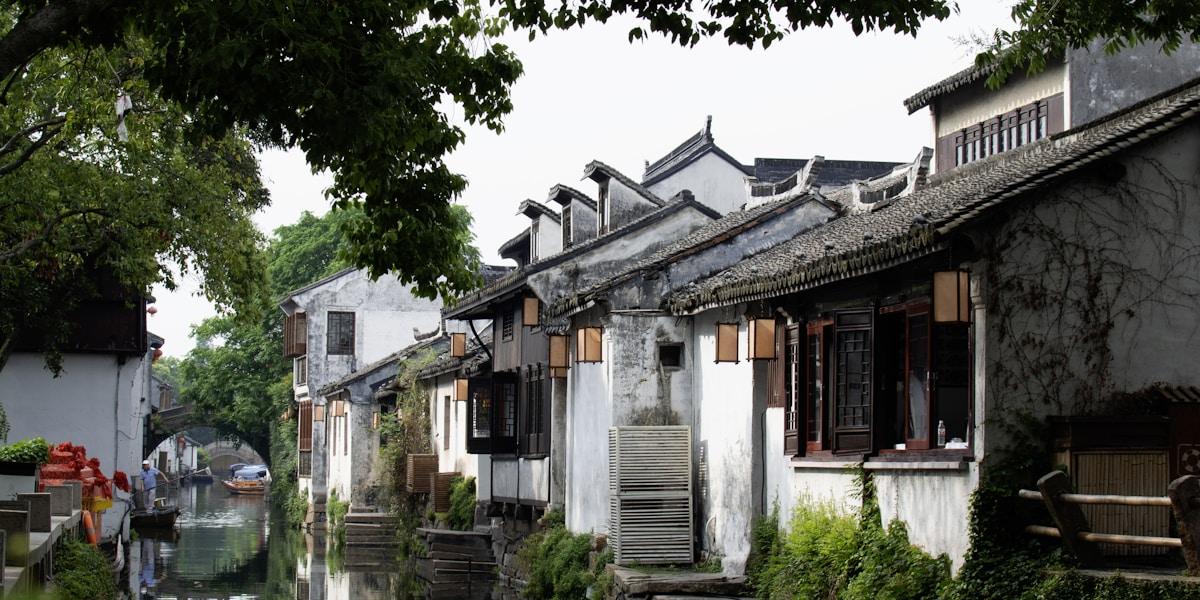
In the heart of the Yangtze River Delta, the golden Shanghai–Suzhou–Wuzhen–Hangzhou route — China's most refined intersection of water town charm and urban sophistication.
Location
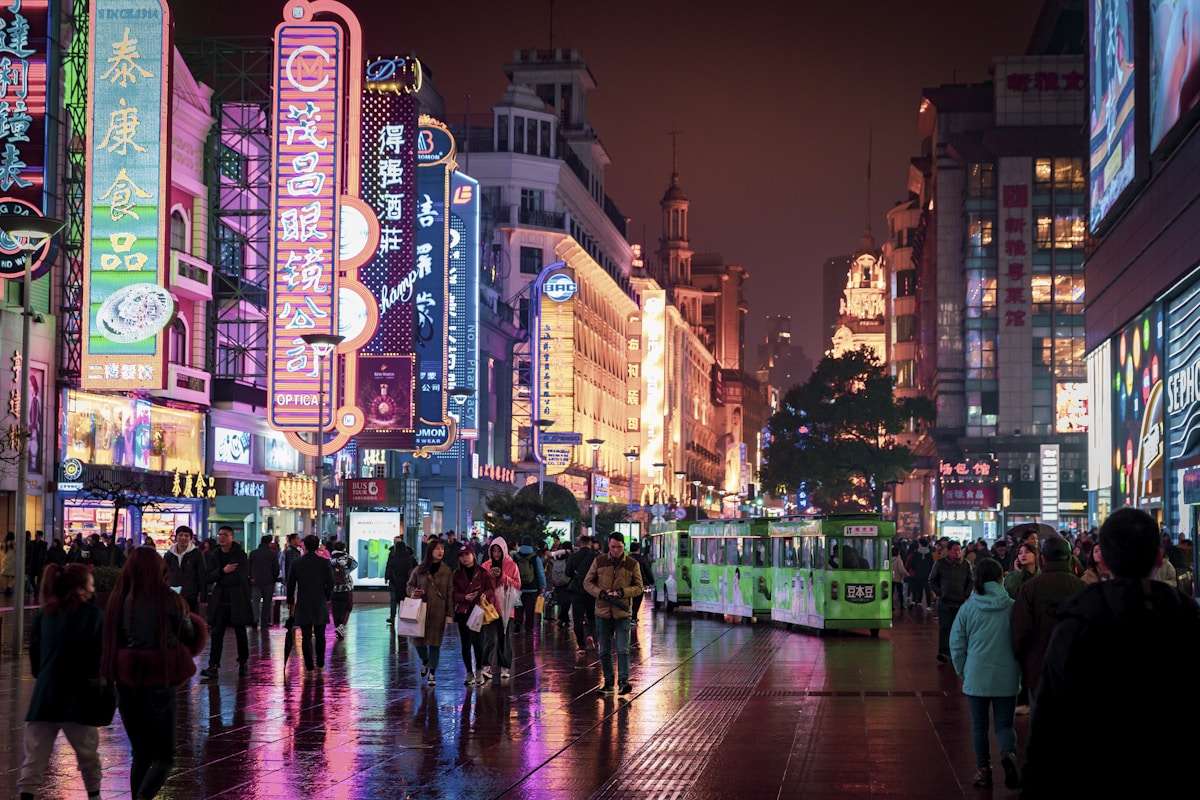
East China travel typically refers to the Shanghai–Suzhou–Wuzhen–Hangzhou golden route, located in the core of the Yangtze River Delta. The four cities are all within 100–200 km of each other, reachable by high-speed rail in under 1 hour. Shanghai is the international gateway, Suzhou is famous for classical gardens, Wuzhen represents Jiangnan water towns, and Hangzhou is centered around West Lake. This route brings together some of China's finest cityscapes, water towns, and classical gardens.
The standard East China route: Shanghai (Disney + Bund + City God Temple) → Suzhou (Humble Administrator's Garden + Lion Grove Garden + Hanshan Temple) → Wuzhen (overnight in water town) → Hangzhou (West Lake + Lingyin Temple + Longjing Tea Village) → Shanghai (return). A 7-day, 6-night itinerary lets you see everything at an unhurried pace, with daily drives of just 1–2 hours. First-time visitors should follow this route — short intercity distances, high attraction density, and mature dining, accommodation, and transport infrastructure.
Why Visit
East China offers China's most refined blend of cultural and urban experiences:
- Shanghai Disneyland — the only Disney park in mainland China; it may be the smallest globally, but it's also one of the newest and best designed. Peak-season queues are the main drawback.
- Suzhou Gardens — Humble Administrator's Garden, Lingering Garden, Lion Grove Garden — UNESCO World Heritage, the pinnacle of Chinese classical garden art
- Wuzhen Water Town — one of the most famous of the six ancient Jiangnan water towns; stay overnight to enjoy its beauty at dawn and dusk, with especially stunning night views.
- Hangzhou West Lake — UNESCO World Heritage, "Above there is heaven, below there are Suzhou and Hangzhou" — Spring Dawn at Su Causeway, Leifeng Pagoda at Sunset
- The Bund & Lujiazui — Century-old international architecture facing modern skyscrapers — Shanghai's iconic skyline
- Jiangnan Cuisine — Xiaolongbao, Squirrel Mandarin Fish, Dongpo Pork, Longjing Shrimp — refined and delicate flavors
For travelers from Singapore and Malaysia, East China's unique value lies in being China's most "refined" destination — mature urban infrastructure, convenient transport, and well-managed scenic areas. Many overseas Chinese travelers feel a natural connection to Jiangnan culture — the poetry about "heaven above, Suzhou and Hangzhou below," the textbook images of West Lake and Suzhou Gardens can all be seen firsthand here. Direct flights from Southeast Asia to Shanghai take just 5–5.5 hours with extremely high frequency. East China has no foreign-guest accommodation restrictions — it's the most convenient first stop for global Chinese travelers visiting China.
Best Season to Visit
East China has four distinct seasons, each offering very different experiences. Here's a month-by-month breakdown:
| Month | Temp Range | Highlights | Rating |
|---|---|---|---|
| Mar–Apr | 10–20°C | Spring blooms, West Lake cherry blossoms, Suzhou Gardens at peak beauty | ★★★★★ |
| May | 16–26°C | Pleasant climate, Wuzhen spring scenery, Longjing tea season | ★★★★☆ |
| Jun–Aug | 26–38°C | Plum rain + scorching heat, high humidity, Disney peak season | ★★★ |
| Sep–Oct | 16–26°C | Crisp autumn, osmanthus fragrance, Wuzhen autumn colors | ★★★★★ |
| Nov | 10–20°C | Early autumn chill, fewer crowds, good value | ★★★★ |
| Dec–Feb | 0–10°C | Shanghai Disneyland lantern festival at its liveliest, fewer crowds, lower prices | ★★★ (winter) |
Verdict: March–May and September–October are the best times to visit East China — clear skies, comfortable temperatures, flower seasons. July–August is peak season but with plum rain and scorching heat — daytime 33–38°C with high humidity, Disney queues 3–4 hours per ride. December–February has fewer crowds and lower prices; Shanghai Disneyland lantern festival is most spectacular at night. Avoid May Day and National Day Golden Weeks — Disney gets insanely crowded.
What to Prepare Before Departure
Visas, clothing, gear, and Disney tips — everything you need to prepare.
Visas & Documents
Singapore passport: Visa-free for 30 days to China, no advance visa needed. Ensure passport validity exceeds 6 months.
Malaysia passport: Visa-free for 30 days to China (2026 policy); for trips exceeding 30 days, apply for a visa in advance. Check the latest policies before traveling.
East China: There are no additional restrictions for foreign visitors. Shanghai, Suzhou, Hangzhou, and Wuzhen are open to all foreign visitors with valid documents; no special permits required. East China has no foreign-guest accommodation restrictions — it's the most convenient destination for global Chinese travelers visiting China.
Carry ID at all times: Your passport is required for entry to some scenic areas and for hotel check-in. Shanghai Disneyland requires real-name ticket purchase — book in advance on official platforms.
Clothing Checklist
East China has four distinct seasons with high humidity. Pack by season:
- Mar–May: Long-sleeve tees + light jacket, mornings and evenings around 10°C. Mar–Apr is West Lake's cherry blossom season — bring a windproof layer
- Jun–Aug: Mainly short sleeves, but SPF50+ sunscreen, sunglasses, and hat are essential — scorching sun at 33–38°C with high humidity
- Sep–Nov: Long sleeves + windbreaker or light jacket; Wuzhen is chilly in autumn with big day-night temperature swings
- Dec–Feb: Down jacket, thermal underwear — Shanghai Disneyland lantern festival is cold but worth it
- Shoes: A good pair of walking shoes — Suzhou Gardens, Wuzhen flagstone paths, and West Lake all require lots of walking
- Accessories: Raincoat or folding umbrella — Jun–Aug plum rain season brings frequent showers
Special note: East China's high humidity makes summer feel hotter than the temperature suggests. Jun–Aug plum rain season (mid-June to early July) rains almost daily — bring rain gear. But plan wisely — outdoors in the morning, indoors/car during midday heat, out again in the evening. Disney on Day 6 can be flexibly adjusted — no forcing the pace.
Gear Checklist
- Sun protection: SPF50+ sunscreen, sunglasses (UV400), hat — East China sun is also strong
- Rain gear: Folding umbrella or light raincoat — essential during Jun–Aug plum rain season
- Medicine: Stomach medicine (sweet and oily food may disagree), cold medicine, band-aids, motion sickness pills (intercity travel)
- Electronics: Power bank (phone drains extremely fast at Disney all day), car charger adapter
- Other: Thermos (hot water in the car), wet wipes, a few snacks
- Luggage: One large suitcase + one carry-on per person recommended. East China has many souvenirs — silk, Longjing tea, pastries
Note: Shanghai Disneyland requires advance ticket purchase; during peak season (Jul–Aug, Golden Weeks) buy 30 days ahead. Our packages include round-trip Disney transfers. Disney tickets are purchased separately, and we can help reserve them at face value with no markup.
Disney Strategy Essentials
Disney is where travelers are most likely to run into common pitfalls in East China — key things to know:
- Ticket types: Agency "group tickets" → peak season queues 3–4 hours per ride; Early Entry Card (early park access) and Premier Access (priority queues) must be purchased separately
- Hidden 'ticket not included' charge: Some agencies vaguely claim Disney tickets are included → extra charges on arrival
- Peak season: In Jul–Aug and during major holiday weeks, queues can be so long that you may only manage 2–3 rides in a full day.
- Best time: Weekdays have fewer crowds. Mar–May and Sep–Nov have comfortable temperatures — no scorching sun or freezing cold
- Must-do rides: Soaring Over the Horizon, TRON Lightcycle Power Run, Seven Dwarfs Mine Train, Pirates of the Caribbean
Our approach: Disney tickets self-purchased — we pre-book at original price, no markup. Round-trip transfer included. Full day at Disney — not a half-day squeeze. Day 6 can be flexibly adjusted — no forcing the pace.
How to Get to East China & Travel Between Cities
The Shanghai–Suzhou–Hangzhou triangle is compact — but transportation choices make all the difference.
Getting to East China
Fly to Shanghai Pudong International Airport (PVG) or Hongqiao International Airport (SHA) — these are the main entry airports for most travelers.
From Singapore:
- Direct: Singapore–Shanghai Pudong, approximately 5.5 hours (multiple airlines, extremely high flight frequency)
- Connecting: Singapore–Guangzhou/Shenzhen–Shanghai, total 6.5 hours, lower cost
From Malaysia (Kuala Lumpur):
- Direct: Kuala Lumpur–Shanghai Pudong, approximately 5 hours (AirAsia offers direct flights at competitive prices)
- Connecting: Kuala Lumpur–Guangzhou/Shenzhen–Shanghai, total 6.5 hours
Tip: Shanghai has one of the highest densities of direct flights from Southeast Asia to China, with relatively low prices. Book 1–2 months ahead; prices double during peak season (Jul–Aug, Chinese New Year). AirAsia often runs promotions — excellent value from Kuala Lumpur. Pudong Airport to downtown is about 40 km; Maglev or Metro Line 2 takes about 1 hour.
Intercity Travel
Distances between East China's four cities are short, reachable by high-speed rail within 1 hour:
- Shanghai–Suzhou: High-speed rail approx. 25 minutes
- Suzhou–Wuzhen (Tongxiang Station): High-speed rail approx. 30 min + bus 30 min
- Wuzhen–Hangzhou: Bus or highway approx. 1.5 hours
- Hangzhou–Shanghai: High-speed rail approx. 1 hour
Transportation options:
- Private car / Custom tour (recommended): 7-seat business vehicle + driver-guide, flexible stops, well-planned itinerary, ideal for 4–6 person family travel. No dragging luggage between trains
- High-speed rail + taxi: Frequent intercity high-speed trains, suitable for budget-minded independent travelers. But dragging luggage between stations is tiring
- Self-drive: Good road conditions but downtown parking is difficult; no cars allowed inside Wuzhen scenic area
- Group tour bus: The cheapest option, but also the most exhausting — daily 6:30 AM departures "more grueling than a workday," shopping stops of 1.5–2 hours you can't leave
Key takeaway: East China intercity distances are short — transportation isn't the biggest cost item. But accommodation is the biggest trap — "Shanghai downtown hotel" actually Songjiang/Jiading, 1.5 hours to the Bund; Wuzhen accommodation not inside scenic area → 10 km outside in town. The key is to avoid shopping tours and misleading accommodation arrangements.
Travel Arrangements: Industry Practice vs. Our Practice
How Much Does an East China Trip Cost
Based on a 7-day/6-night Shanghai–Suzhou–Wuzhen–Hangzhou itinerary. USD primary, with RMB/MYR/USD reference.
The following costs are based on 7 days/6 nights, entering and exiting via Shanghai, covering Shanghai–Suzhou–Wuzhen–Hangzhou. Prices include full transportation, accommodation, attraction tickets (Disney self-purchased), and insurance; they exclude round-trip flights and lunch/dinner. Actual prices vary with group size, hotel tier, and season. Disney tickets are the main cost item — peak season adult ticket RMB 799/person.
Cost Breakdown
- Included: Full private vehicle (fuel/tolls/parking), hotel (with breakfast), attraction tickets (Disney tickets self-purchased), 500K travel accident insurance, travel photography, airport transfers
- Excluded: Round-trip flights to/from Shanghai, lunch and dinner (not pre-selected — driver-guide recommends local restaurants), personal expenses, visa fees (Singapore, Malaysia and most other passports enjoy visa-free entry)
- Meal cost reference: Lunch + dinner approx. USD 5–15/person/day (about RMB 50–110) for excellent food — Xiaolongbao, Squirrel Mandarin Fish, Dongpo Pork
- Flight cost reference: Singapore/Kuala Lumpur round-trip to Shanghai, USD 185–375 when booked early, USD 375–675 in peak season
Actual prices vary with vehicle type and hotel tier. Tell us your group size and travel dates, and your travel consultant will provide an exact quote.
Four Must-Visit Places
Shanghai Disneyland, Suzhou Gardens, Wuzhen Water Town, Hangzhou West Lake — highlights and pitfalls for each.
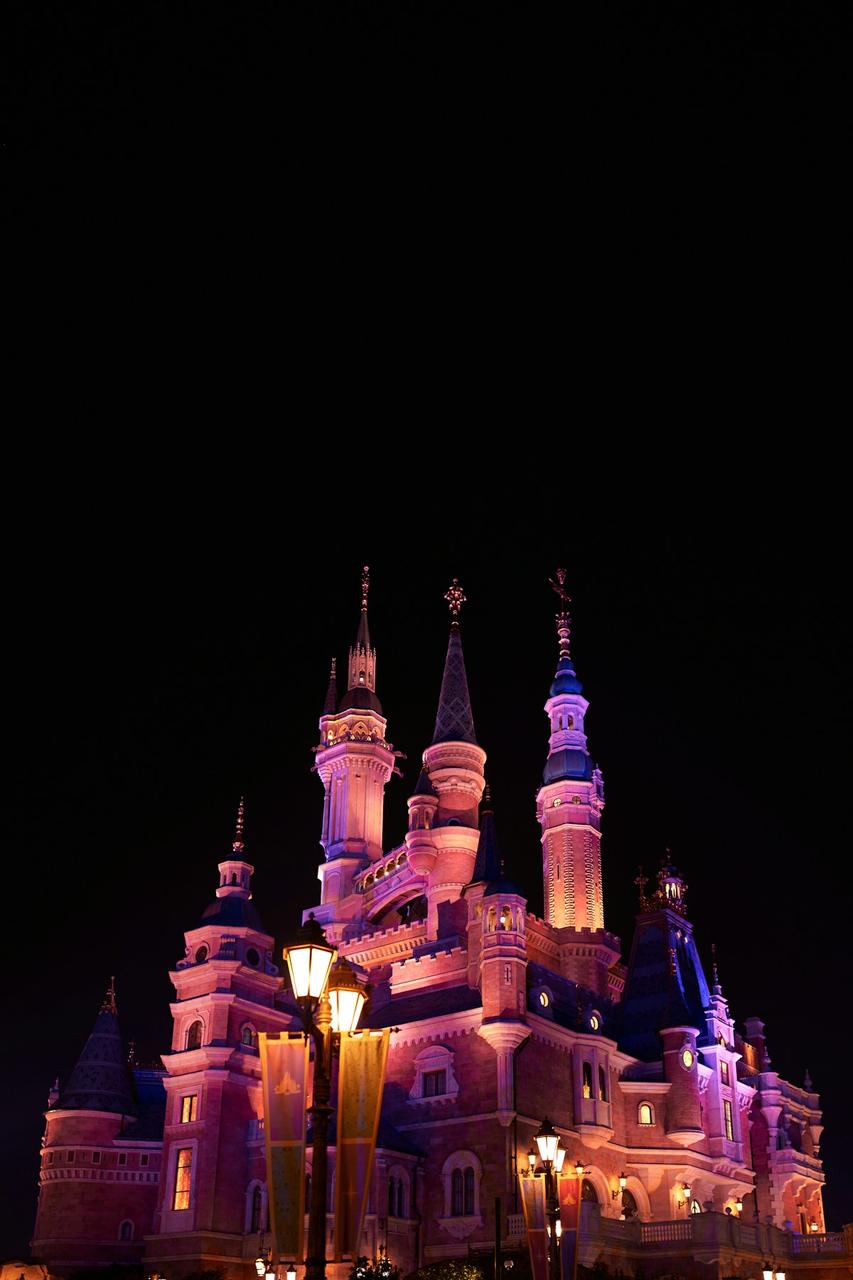
Shanghai Disney Resort, located in Pudong New Area, opened in 2016 and is mainland China's only Disney theme park. The resort covers approximately 3.9 km², comprising the theme park, Disneytown, and two themed hotels. While the smallest globally, it features the newest and most state-of-the-art facilities — Soaring Over the Horizon and TRON Lightcycle Power Run are unique attractions.
Highlights:
- · Soaring Over the Horizon — World's best immersive flight experience, 5D sensory feast
- · TRON Lightcycle Power Run — World's fastest Disney coaster, motorcycle-style ride
- · Seven Dwarfs Mine Train — Family-friendly moderate coaster
- · Fireworks Show — Nightly before park closing, castle projection and fireworks — a must-see
Recommended approach: Arrive before opening (approx. 8:30 AM), head straight to the most popular rides (Soaring Over the Horizon, TRON). Watch the daytime parade at noon, then moderate-popularity rides in the afternoon. Fireworks show around 8 PM. Visit on weekdays for fewer crowds. Mar–May and Sep–Nov have comfortable temperatures — no scorching sun or freezing cold.
Suzhou classical gardens represent the pinnacle of Chinese garden art. In 1997, the Humble Administrator's Garden, Lingering Garden, Master of Nets Garden, and Mountain Villa with Embracing Beauty were inscribed as UNESCO World Heritage. The Humble Administrator's Garden is Suzhou's largest classical garden at 78 mu (5.2 hectares), centered on water with hills, pavilions, and exquisite halls. Lion Grove Garden is famous for its rockery — rock formations resembling lions in a maze-like layout, a children's favorite. The Lingering Garden is renowned for its masterful architectural space treatment.
Highlights:
- · Humble Administrator's Garden — Premier among Suzhou's four great gardens, excels in waterscapes and lush plantings
- · Lion Grove Garden — Rockery maze, children love it, most playful garden
- · Lingering Garden — Masterful architectural space treatment, seeing the large in the small
- · Pingjiang Road — Best-preserved historic district in Suzhou's old city, canals and small bridges
Recommended approach: Humble Administrator's Garden full visit 1.5–2 hours, Lion Grove Garden 1 hour. Visit Humble Administrator's Garden first in the morning (fewer people), then Lion Grove Garden in the afternoon. Stroll Pingjiang Road at dusk — canal night views. Mar–Apr gardens are at their most beautiful with blooming flowers.
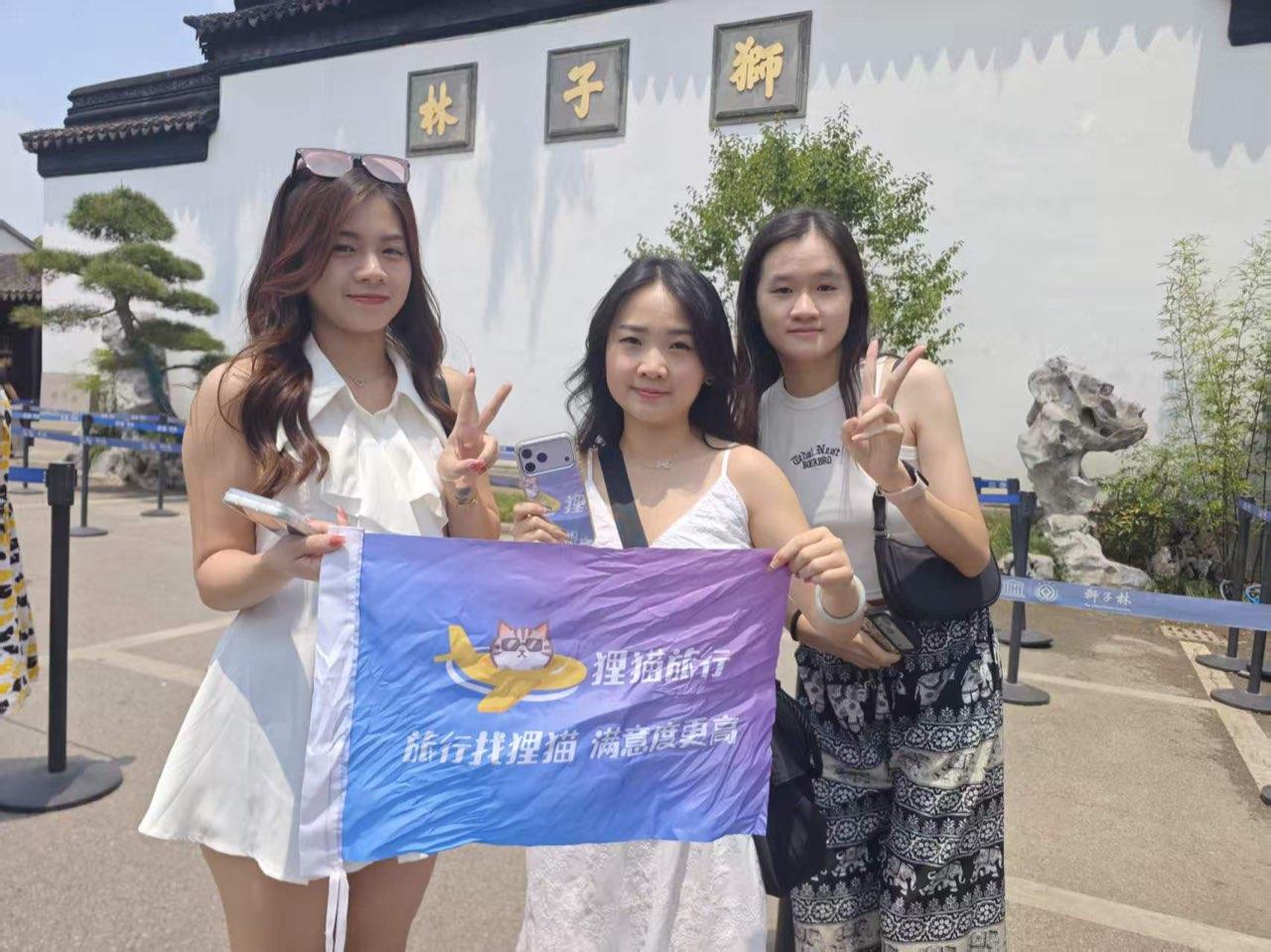
Wuzhen is located in Tongxiang City, Zhejiang Province — the premier among the Six Ancient Jiangnan Water Towns, divided into East Gate (Dongzha) and West Gate (Xizha) scenic areas. West Gate is larger, with stunning night views and good accommodation — it's the main touring area. East Gate is more rustic and less crowded. Wuzhen has mature management and is the best-equipped among Jiangnan water towns — staying one night inside the scenic area to experience morning mist and night lights is Wuzhen's greatest value.
Highlights:
- · West Gate Night View — Lights reflecting on water, oar sounds in lamplight — Jiangnan's most beautiful nightscape
- · Morning Mist — Only visible when staying inside the scenic area — Wuzhen's dawn, serene as a painting
- · Sculling Boats — Ride through water lanes, experience "small bridge, flowing water, homes"
- · Dye House — Blue calico drying yard, perfect for photos
Recommended approach: Arrive in the afternoon, explore West Gate by day, watch the lights come on at dusk, take a sculling boat at night to see the illuminated scenery. Stay one night inside the scenic area, see the morning mist the next day. D3 overnight inside Wuzhen scenic area — not just a quick photo stop.
West Lake is located in downtown Hangzhou, covering 6.39 km², and was inscribed as a UNESCO World Heritage site in 2011. "Above there is heaven, below there are Suzhou and Hangzhou" — West Lake is the soul of Hangzhou. The Ten Scenes of West Lake (Spring Dawn at Su Causeway, Lingering Snow on Broken Bridge, Leifeng Pagoda at Sunset, etc.) represent the pinnacle of Chinese classical aesthetics. West Lake is free to enter (no general admission ticket); the lakeside walk is about 15 km, or you can cycle or take a sightseeing vehicle.
Highlights:
- · Spring Dawn at Su Causeway — Causeway built by Su Dongpo, peach and willow-lined banks in spring
- · Leifeng Pagoda — Legend of the White Snake, climb for panoramic West Lake views
- · Lingyin Temple — One of China's ten great ancient temples, Feilai Peak stone carvings
- · Longjing Tea Village — Origin of Longjing tea, experience tea picking and tasting
Recommended approach: West Lake stroll + Leifeng Pagoda + Lingyin Temple — full coverage. No paid boat rides — walking gives you more views. Mar–Apr: Spring Dawn at Su Causeway at its peak beauty with peach blossoms. Sep–Oct: osmanthus fragrance everywhere. Longjing Tea Village can be arranged as a half-day experience.
What to Eat in East China
Xiaolongbao, Squirrel Mandarin Fish, Dongpo Pork, Longjing Shrimp — where locals eat, not commission-trapped tourist restaurants.
East China cuisine is half the value of this trip — refined, light, and seasonal. The recommendations below are not the commission-trapped restaurants tour groups go to, but where locals actually eat. Prices in RMB with USD reference.
Other Worth Trying
- Shengjian Bao (Pan-Fried Buns) — Shanghai's breakfast king, bottom fried golden and crispy, soup-filled
- Yangcheng Lake Hairy Crab — Best in autumn (Oct–Nov), rich crab roe (seasonal only)
- Xiangyou Shanhu (Sizzling Eel) — Suzhou classic, shredded eel doused in sizzling hot oil with rich garlic aroma
- Dingsheng Gao (Victory Cake) — Wuzhen specialty, steamed glutinous rice cake, pink plum blossom shape, soft, sweet, and fragrant
- Longjing Tea — Hangzhou origin; "Mingqian tea" (picked before Qingming Festival) is the most precious
Meal cost reference: Lunch + dinner approx. USD 5–15/person/day (about RMB 50–110) for excellent food. Tour group meals cost ¥30–40/person but are poor quality — bulk-prepared, pre-made dishes. Find your own local restaurants — same money, three times better food. Qilishantang commercial street food is a "major trap" — avoid. Suzhou's "Song He Lou" and "De Yue Lou," Hangzhou's "Lou Wai Lou" and "Zhi Wei Guan" are heritage brands but touristy and expensive — locals go to city branches or older neighborhood restaurants.
About East China Travel
Start Planning Your East China Trip
Tell us your group size and travel dates, and your travel consultant will customize your East China itinerary.
Brand Direct · Fully Licensed · 500K Travel Insurance · No Tipping
Key Takeaways
- East China in this guide refers to the Shanghai–Suzhou–Wuzhen–Hangzhou route in the Yangtze River Delta. The cities are about 100–200 km apart and can be connected by high-speed rail in under an hour.
- The article recommends a 7-day, 6-night route entering via Shanghai, then visiting Suzhou, Wuzhen, Hangzhou, and returning to Shanghai. It highlights major sights including Shanghai Disneyland, Suzhou’s classical gardens, Wuzhen Water Town, West Lake, and the Bund.
- The best times to visit are March–May and September–October for comfortable weather and seasonal scenery. July–August is hot, humid, and crowded, while December–February has fewer crowds and lower prices.
- For Singapore and Malaysia passport holders, the article says China offers 30-day visa-free entry, with a note to check the latest policy for Malaysia and for trips over 30 days. It also says East China has no extra restrictions for foreign visitors, but passports are needed for some attractions and hotel check-in.
- The route is presented as practical for first-time visitors because transport, accommodation, and dining infrastructure are mature. The guide also notes that Shanghai Disneyland uses real-name ticket purchases and recommends booking on official platforms in advance.
Official resources
- Ministry of Culture and Tourism of the People's Republic of China (mct.gov.cn) — the national regulator for licensed travel agencies
- National Immigration Administration (nia.gov.cn) — official entry, exit, and immigration information for mainland China
- Consular Services, Ministry of Foreign Affairs (cs.mfa.gov.cn) — official consular information and travel notices