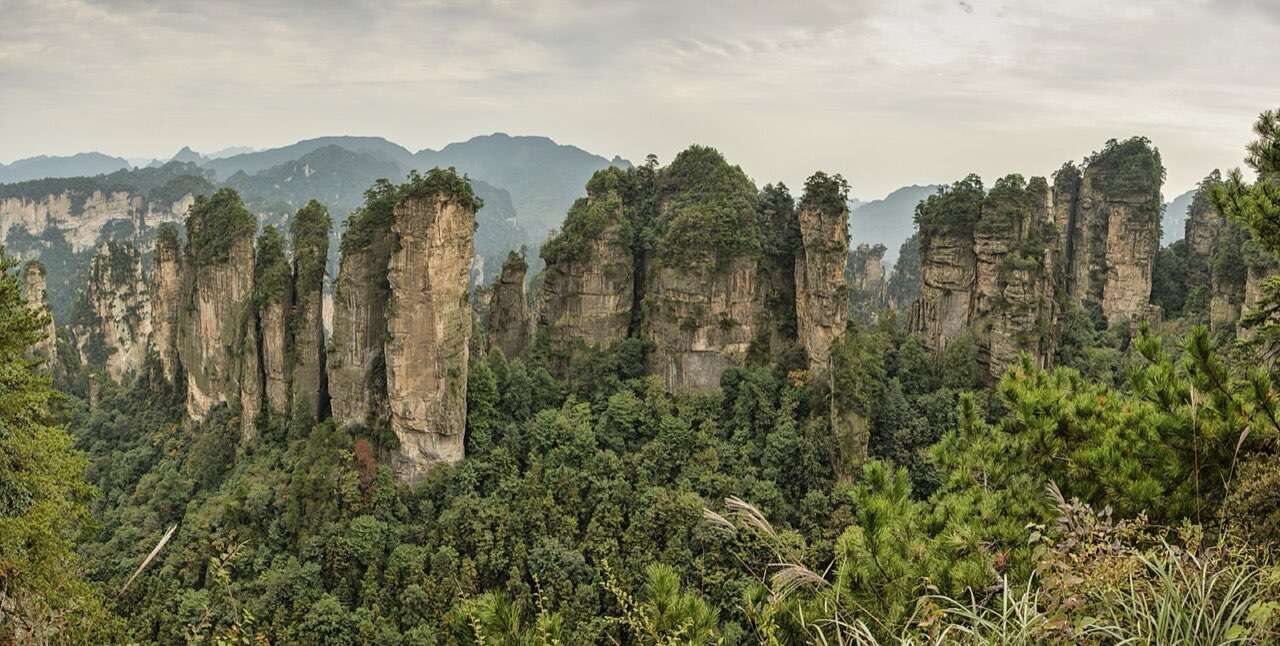
Hunan Travel Guide
Where Hunan is, when to visit, how to get there, how much it costs, what to see, and what to eat — a complete guide for global overseas Chinese travelers. Zhangjiajie's Avatar Mountains, Tianmen Mountain Glass Walkway, Fenghuang Ancient Town night scenery, Changsha food: Stinky Tofu, Chayan Yuese. No marketing fluff—just practical, actionable travel advice.
Where Is Hunan?
Hunan is in south-central China, on the southern bank of the middle Yangtze River. It is named for its location mostly south of Dongting Lake. It is a travel destination where landscape and culture intertwine.
Location & Geography
Hunan Province lies in south-central China, on the southern bank of the middle Yangtze River. It borders Jiangxi to the east, Chongqing and Guizhou to the west, Guangdong and Guangxi to the south, and Hubei to the north. The province covers 212,000 km² with a population of 66 million. The terrain is horseshoe-shaped — mountains on the east, south, and west, rolling hills in the center, and the Dongting Lake plain in the north. The Xiang River flows north through the province into Dongting Lake.
The main Hunan travel axis is Changsha—Zhangjiajie—Fenghuang. Changsha is the provincial capital and cultural food center; Zhangjiajie lies in western Hunan, world-famous for its quartzite sandstone pillar landscape; Fenghuang is in southwestern Hunan, the border town made famous in Shen Congwen's writings. First-time travelers choose a 5-day, 4-night Changsha entry/exit route covering Zhangjiajie + Tianmen Mountain + Fenghuang Ancient Town — the focus area of this guide.
Why Visit
Hunan offers one of China's most unique combinations of dramatic peak landforms and ancient town culture:
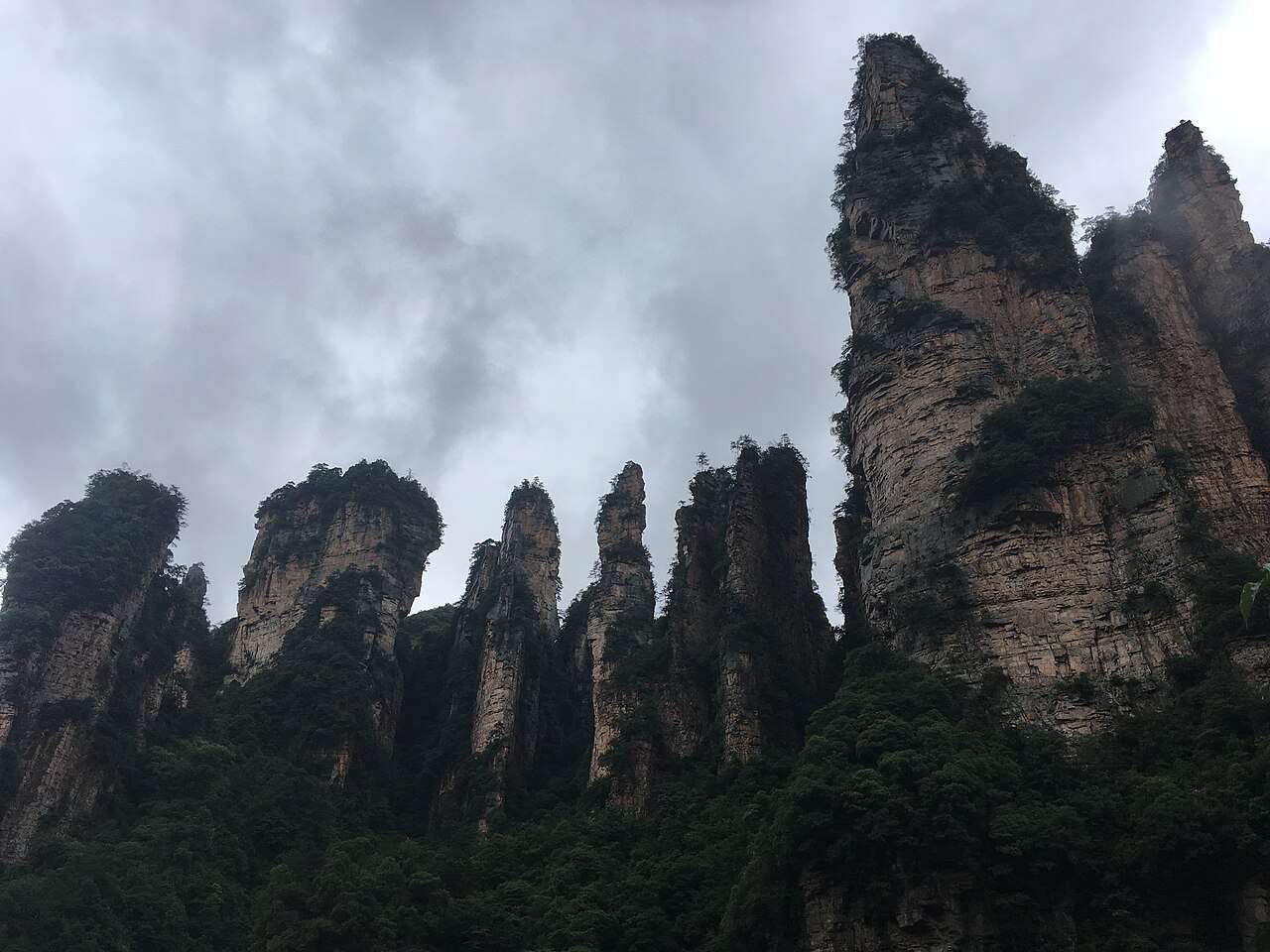
- Zhangjiajie National Forest Park — Over 3,000 quartzite sandstone pillars rising dramatically from the ground, filming location for the movie Avatar, UNESCO World Heritage Site
- Tianmen Mountain — Elevation 1,518m, 99-bend mountain road, Tianmen Cave, glass walkway suspended along cliffs at 1,430m
- Fenghuang Ancient Town — The Tuojiang River flows through the town, stilted houses built along the water, night views with thousands of lights reflected on the river
- Changsha Food — Stinky Tofu, Chayan Yuese, Crayfish, Tangyou Baba, one of China's hottest food cities
- Bailong Elevator — The world's tallest outdoor sightseeing elevator, 326m vertical lift, 1 min 40 sec to the summit
- Multi-Ethnic Culture — Tujia, Miao, and Dong ethnic groups concentrated in western Hunan with rich cultural traditions
For overseas Chinese travelers from Singapore and Malaysia, Hunan's unique value lies in combining world-class natural wonders (Zhangjiajie pinnacles) with profound Chinese cultural and culinary experiences (Changsha food streets). Direct flights from Singapore to Changsha take only 4–5 hours, making it easy to reach. The Bailong Elevator + cable car design means older travelers and children can enjoy the spectacular peaks without hiking — an experience that Yunnan's snow mountains and Xinjiang's grasslands cannot replace.
Best Season to Visit
Hunan has a subtropical monsoon climate with four distinct seasons. Year-round travel is possible, with distinctly different experiences per season. Below is a month-by-month breakdown:
| Month | Temperature | Landscape | Rating |
|---|---|---|---|
| Mar–Apr | 10–20°C | Spring blooms, Zhangjiajie wildflowers | ★★★★ |
| May–Jun | 16–28°C | Lush greenery, less rain, fewer crowds | ★★★★★ |
| Jul–Aug | 25–35°C | Peak season crowds, mountains offer escape from heat | ★★★☆ |
| Sep–Oct | 15–26°C | Crisp autumn air, colorful foliage | ★★★★★ |
| Nov–Dec | 5–16°C | Early winter rime ice, fewer crowds, lower prices | ★★★ |
| Jan–Feb | 2–10°C | Tianmen Cave may ice over, glass walkway may close | ★★ (Winter) |
Conclusion: May–June and September–October are the best times to visit Hunan — clear skies, comfortable temperatures, fewer crowds. July–August is peak summer season with the largest crowds, but mountain-top escapes from the heat are still good. In winter, Tianmen Cave may close due to ice. Avoid the May Day and National Day Golden Weeks — extremely crowded.
What to Prepare Before Departure
Visa, clothing, gear — don't miss a thing.
Visa & Documents
Singapore Passport: 30-day visa-free entry to China. Ensure your passport is valid for at least 6 months.
Malaysia Passport: 30-day visa-free entry to China (2026 policy). If your trip exceeds 30 days, apply for a visa in advance. Check the latest policy before traveling.
Hunan: There are no additional restrictions for foreign visitors — same as visiting Beijing or Shanghai. Changsha, Zhangjiajie, and Fenghuang are open to all foreign visitors with valid documents requiring no special permits. Carry ID at all times; scenic spots and hotels require your passport at check-in.
Clothing Checklist
Hunan has four distinct seasons, with significant day-night temperature swings in mountainous areas. Prepare as follows:
- Outer Layer: Light jacket or windbreaker — essential at Zhangjiajie mountain tops even in July mornings/evenings
- Mid Layer: Long-sleeved T-shirt, light fleece — for daytime in cities and scenic areas
- Base Layer: Short-sleeved tops — Changsha can reach 30°C during the day from May–October
- Bottoms: Long pants primarily — convenient for scenic area walking; Fenghuang has many stone-paved streets
- Shoes: A good pair of anti-slip walking shoes — Zhangjiajie boardwalks and Fenghuang stone streets require walking; don't wear new shoes or heels
- Accessories: Sunglasses, hat — strong UV at mountain tops
Special Note: Tianmen Mountain glass walkway requires shoe covers (provided by the scenic area). Avoid wearing flip-flops. Zhangjiajie mountains are rainy — a foldable raincoat is more convenient than an umbrella (wind is strong on the mountain, making umbrellas useless).
Gear Checklist
- Sun Protection: SPF30+ sunscreen, sunglasses — strong UV at mountain tops
- Medication: Motion sickness pills (winding roads from Changsha to Zhangjiajie), stomach medicine (Hunan spicy food may cause discomfort), cold medicine, band-aids
- Electronics: Power bank (long drives, phone battery drains fast), car charger adapter
- Rain Gear: Foldable raincoat — Hunan mountains are rainy, more convenient than an umbrella
- Other: Thermos (hot water during the drive), wet wipes, some snacks
- Luggage: One large suitcase + one carry-on per person is recommended. Hunan has many specialties — Hunan tea, cured meat, silver jewelry
Note: No altitude sickness risk in Hunan. Zhangjiajie's highest point is about 1,300m; Tianmen Mountain is 1,518m — most people will feel no effects. The Bailong Elevator lifts 326m; slight ear pressure inside the elevator — yawn or swallow to relieve it.
How to Get to Hunan & Travel Within
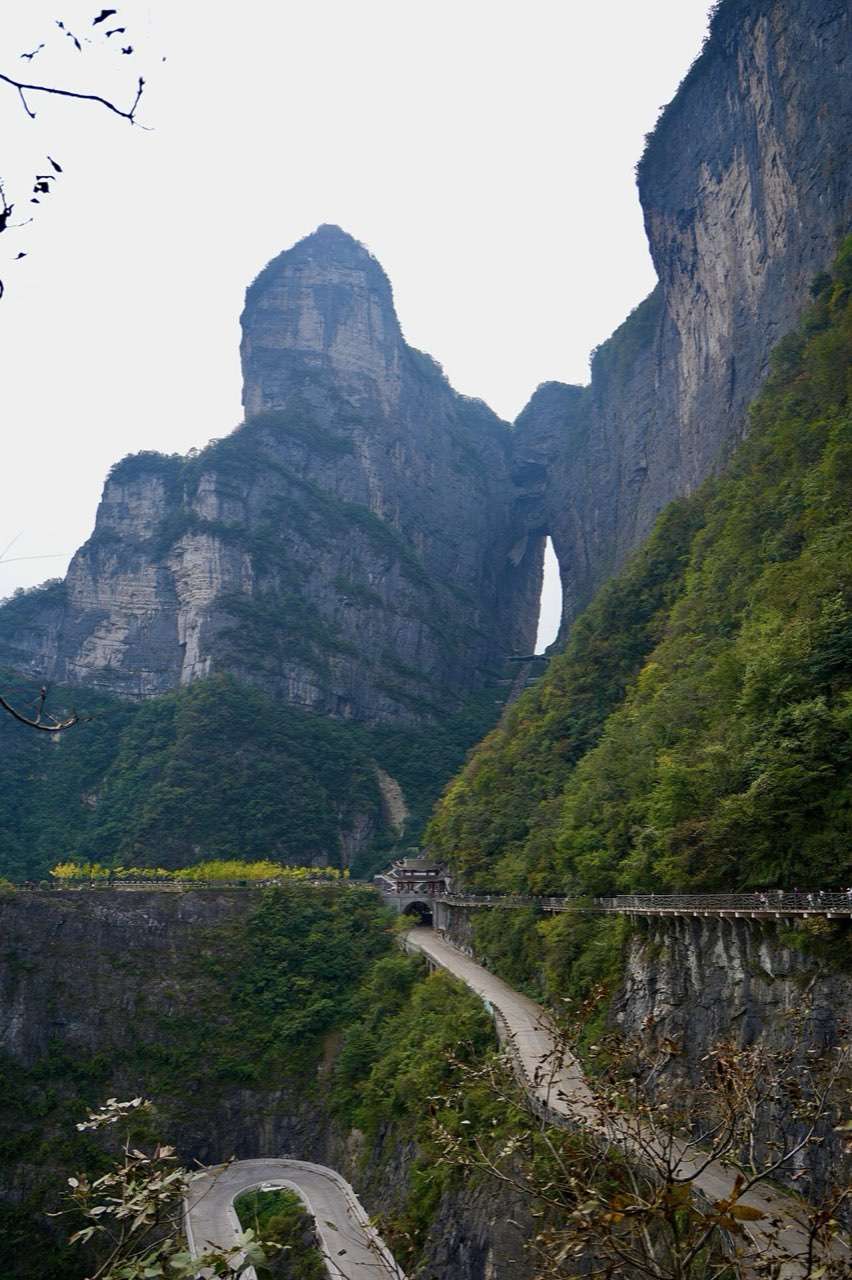
Changsha entry/exit; attractions scattered along a 300 km axis — transport arrangement determines the travel experience.
How to Reach Hunan
Fly into Changsha Huanghua International Airport (CSX) — this is the entry point for the vast majority of travelers.
From Singapore:
- Direct: Singapore—Changsha, about 5 hours (some airlines have direct flights)
- Connecting: Singapore—Guangzhou/Shenzhen—Changsha, total 6–7 hours
From Malaysia (Kuala Lumpur):
- Connecting: Kuala Lumpur—Guangzhou/Shenzhen—Changsha, total 6–7 hours
- AirAsia sometimes offers low-priced direct promotions on the Kuala Lumpur–Changsha route
Recommendation: Changsha is a convenient gateway to central China for travelers from Singapore. Book flights 1–2 months in advance; peak season (July–August, Chinese New Year) prices double. You can also fly to Changsha then take high-speed rail — Changsha South Station is a national HSR hub, 2 hours to Wuhan, 3 hours to Guangzhou.
Travel Within the Province
The main Hunan travel axis is Changsha—Zhangjiajie—Fenghuang, covering about 600 km. Driving times between attractions:
- Changsha—Zhangjiajie: ~4 hours by highway
- Zhangjiajie—Tianmen Mountain: Tianmen Mountain is within Zhangjiajie city, ~15 minutes
- Zhangjiajie—Fenghuang: ~4 hours by highway
- Fenghuang—Changsha: ~5–6 hours by highway
Transportation Options:
- Private Car / Custom Tour (Recommended): 7-seat business vehicle with driver-guide, flexible stops, controlled itinerary, ideal for families of 4–6 people
- High-Speed Rail + Taxi: Changsha—Zhangjiajie has high-speed rail (~2.5 hours); Zhangjiajie to Fenghuang can use bus. Suitable for budget independent travel
- Self-Drive: Roads are good but mountain roads have many curves — tiring for the driver
- Group Tour Bus: Cheapest but most exhausting — expect 6 a.m. starts, two hours at shopping stops, and only one hour at attractions
Core Conclusion: Hunan's attractions are concentrated along the Chang-Zhang-Feng axis; the right transport choice makes a world of difference. The key is avoiding shopping tours and fake "no-shopping" tours — budget tour scams in Hunan are common.
Travel Arrangements: Industry Norm vs. Our Approach
How Much Does a Hunan Trip Cost
This is based on a 5-day, 4-night Changsha–Zhangjiajie–Fenghuang route. USD as primary currency with RMB/MYR/USD reference.
The following costs are based on a 5-day, 4-night Changsha entry/exit route covering Zhangjiajie + Tianmen Mountain + Fenghuang Ancient Town. Prices include all transport, accommodation, attraction tickets, and insurance. Round-trip flights and lunch/dinner are not included. Actual prices vary with group size, hotel tier, and season.
Cost Notes
- Included: Full private vehicle (fuel/tolls/parking), hotels (with breakfast), attraction tickets (including the Bailong Elevator, Tianzi Mountain Cable Car, Tianmen Mountain Cable Car, escalator, and Glass Bridge), RMB 500,000 travel accident insurance, airport transfers
- Not Included: Round-trip flights to/from Changsha, lunch & dinner (recommended à la carte; driver-guide recommends local eateries), personal expenses, visa fees (Singapore, Malaysia and most other passports enjoy visa-free entry)
- Estimated Meal Budget: Lunch & dinner ~USD 5–15 per person per day (approx. RMB 50–110) for excellent food — Stinky Tofu, Chayan Yuese, Hunan cuisine, Crayfish
- Flight Budget Reference: Singapore/Kuala Lumpur to/from Changsha, book early from USD 185–375; peak season USD 375–675
Actual prices vary with vehicle type and hotel tier. Tell us your group size and travel dates, and your travel consultant will provide an exact quote.
Four Must-Visit Places
Zhangjiajie National Forest Park, Tianmen Mountain, Fenghuang Ancient Town, Changsha Food Streets — what to see and what to watch out for at each one.
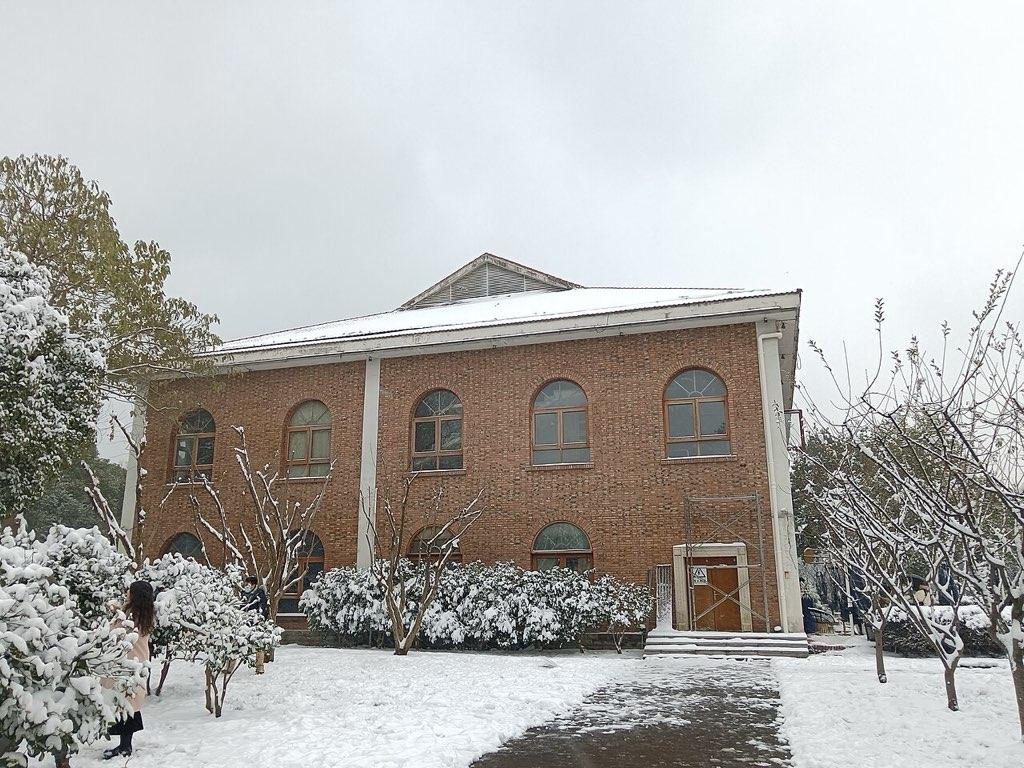
Zhangjiajie National Forest Park is located in Xiangxi Tujia and Miao Autonomous Prefecture, China's first national forest park (established 1982). Over 3,000 quartzite sandstone pillars tower from the earth, the tallest reaching 1,300m. The 2009 film Avatar was shot here — the Southern Sky Column is said to have inspired the film's "Hallelujah Mountains".
Highlights:
- · Yuanjiajie — Avatar Floating Mountains filming location, World's First Bridge, Enchanting Terrace
- · Tianzi Mountain — best viewpoint for the peak forest, best spot for sea of clouds and sunrise
- · Bailong Elevator — 326m vertical lift, 1 min 40 sec to the summit
- · Golden Whip Stream — Valley walk, monkey watching along the way
Recommended Route: Bailong Elevator up → Yuanjiajie (Avatar Mountain - Enchanting Terrace - World's First Bridge) → Tianzi Mountain → Tianzi Mountain Cable Car down. No hiking is required—take the elevator up and the cable car down. Takes about 5–6 hours.
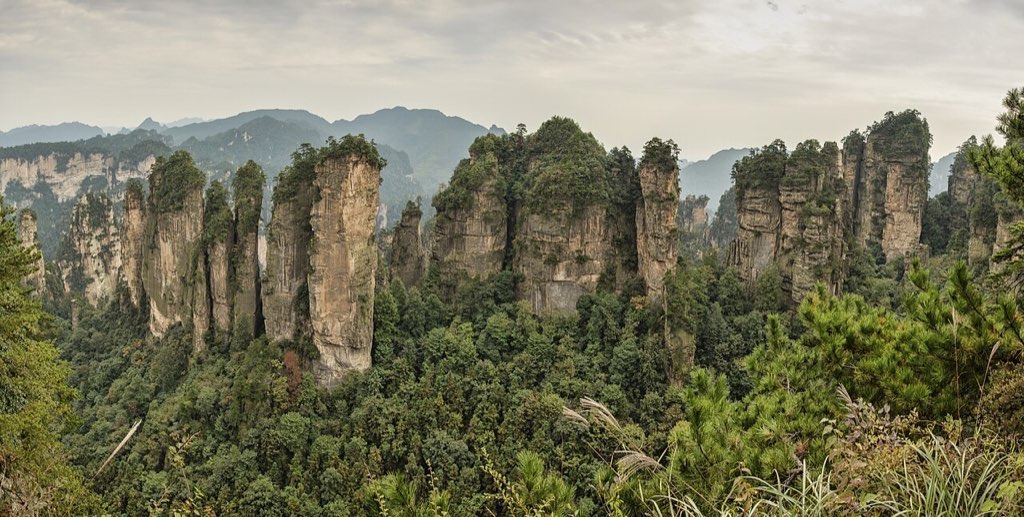
Tianmen Mountain is located 8 km south of Zhangjiajie city center, at an elevation of 1,518m — the highest peak in Zhangjiajie. Tianmen Cave is the world's highest-elevation natural karst cave (1,315m). The 99-bend mountain road is known as "China's most beautiful road." The glass walkway is suspended on cliffs at 1,430m elevation, 1.5–2m wide.
Highlights:
- · Tianmen Mountain Cable Car — Total length 7,455m, the world's longest high-mountain passenger cable car
- · Glass Walkway — Suspended at 1,430m on cliffs, with a sheer drop directly beneath your feet
- · Tianmen Cave — a 131.5m-high, 57m-wide natural karst cave running through the mountain
- · 99-Bend Road — Best seen from the cable car above
Recommended Route: Cable car up → walk the glass walkway → Tianmen Cave → escalator/walk down. Takes about 4–5 hours. The glass walkway requires shoe covers (provided by the scenic area). Acrophobic visitors can bypass via the adjacent non-glass path.
Fenghuang Ancient Town is located in Xiangxi Tujia and Miao Autonomous Prefecture, dating back to the Kangxi era of the Qing Dynasty. The Tuojiang River flows through the town. Stilted houses are built along the water, making it one of China's best-preserved ancient towns. It's the prototype setting for Shen Congwen's novel Border Town. It was acclaimed by New Zealand writer Rewi Alley as "China's most beautiful small town."
Highlights:
- · Night Scenery — Stilt houses lit up along both banks of the Tuojiang River, Rainbow Bridge, Wanming Pagoda, Shawan stilted house clusters
- · Tuojiang River Boating — Take a boat ride past the stilt houses on both banks; it's especially beautiful in the early morning mist.
- · Stone-paved Streets — Stone-paved alleys lined with small shops selling handicrafts and silver jewelry
- · Shen Congwen's Former Residence — Visit the birthplace of the literary master and learn more about the background of Border Town.
Best Time: Year-round. Night scenery is beautiful in all seasons. Peak season (July–August) requires advance hotel booking due to crowds.
Changsha is one of China's hottest food cities — Stinky Tofu, Chayan Yuese, Crayfish, Tangyou Baba, Hunan cuisine. Huangxing Road Pedestrian Street and the IFS area are the food hubs.
Highlights:
- · Stinky Tofu — Changsha icon, black tofu deep-fried to crispy outside and tender inside, topped with chili and garlic sauce
- · Chayan Yuese — Changsha's own milk tea brand, unique to this city
- · Crayfish — Spicy crayfish, the soul of Changsha's night food scene
- · Tangyou Baba — Deep-fried glutinous rice coated in sugar syrup, sweet but not cloying
Recommended Route: On Day 5, return to Changsha for an afternoon food hunt at Huangxing Road Pedestrian Street, then head to the airport in the evening. Eat until the last moment before you leave.
What to Eat in Hunan
Stinky Tofu, Chayan Yuese, Crayfish, Hunan Cuisine — where locals eat, not kickback restaurants.
Hunan cuisine is one of China's Eight Great Cuisines, famous for its bold, spicy flavors — but unlike Sichuan spice, Hunan spice is fragrant, dry-hot, and layered in flavor. The following recommendations are not tourist-trap kickback restaurants but places where locals eat daily. Prices in RMB with USD reference.
Other Worth Trying
- Tangyou Baba — Deep-fried glutinous rice coated in sugar syrup, sweet but not cloying, ¥5 a serving from roadside stalls
- Rice Noodles (Mi Fen) — Hunan breakfast staple; Changsha shredded pork noodles, Changde beef noodles, rich broth and smooth noodles
- Cured Meat (La Rou) — Xiangxi Tujia smoked cured meat, stir-fried or steamed, uniquely flavorful
- Blood Glutinous Rice Duck (Xueba Ya) — Fenghuang Ancient Town specialty, duck blood glutinous rice cake stir-fried with duck meat, spicy and soft
- Lei Cha (Pounded Tea) — Taohuayuan specialty, tea leaves, sesame, and peanuts pounded together and steeped in water, available in savory and sweet varieties
Meal budget: USD 5–15 per person per day (approx. RMB 50–110) for excellent food. Tour group meals cost ¥30–40 per person but are poor quality — cafeteria-style, pre-made dishes. If you find local eateries yourself, the same money can buy food that's three times better.
About Hunan Travel
Start Planning Your Hunan Trip
Tell us your group size and travel dates, and your travel consultant will customize a Hunan itinerary just for you.
Brand Direct · Fully Licensed · ¥500,000 Travel Insurance · No Tipping
Key Takeaways
- Hunan is in south-central China, mostly south of Dongting Lake, and the guide focuses on the main Changsha–Zhangjiajie–Fenghuang route. A common first trip is 5 days and 4 nights with entry and exit through Changsha.
- The province is known for combining natural scenery and culture, including Zhangjiajie’s quartzite sandstone pillars, Tianmen Mountain, Fenghuang Ancient Town, and Changsha’s food scene. Western Hunan also has strong Tujia, Miao, and Dong ethnic cultural traditions.
- The guide says May–June and September–October are the best times to visit for comfortable weather, clear skies, and fewer crowds. It also advises avoiding the May Day and National Day holiday periods because they are extremely crowded.
- Singapore and Malaysia passport holders can enter China visa-free for 30 days according to the article, and Changsha, Zhangjiajie, and Fenghuang do not require special permits for foreign visitors with valid documents. Travelers should carry their passport because hotels and scenic spots may require it.
- Hunan’s mountain areas can have noticeable day-night temperature differences, so layered clothing and anti-slip walking shoes are recommended. The article also notes that Tianmen Mountain’s glass walkway requires shoe covers provided by the scenic area.
Official resources
- Ministry of Culture and Tourism of the People's Republic of China (mct.gov.cn) — the national regulator for licensed travel agencies
- National Immigration Administration (nia.gov.cn) — official entry, exit, and immigration information for mainland China
- Consular Services, Ministry of Foreign Affairs (cs.mfa.gov.cn) — official consular information and travel notices