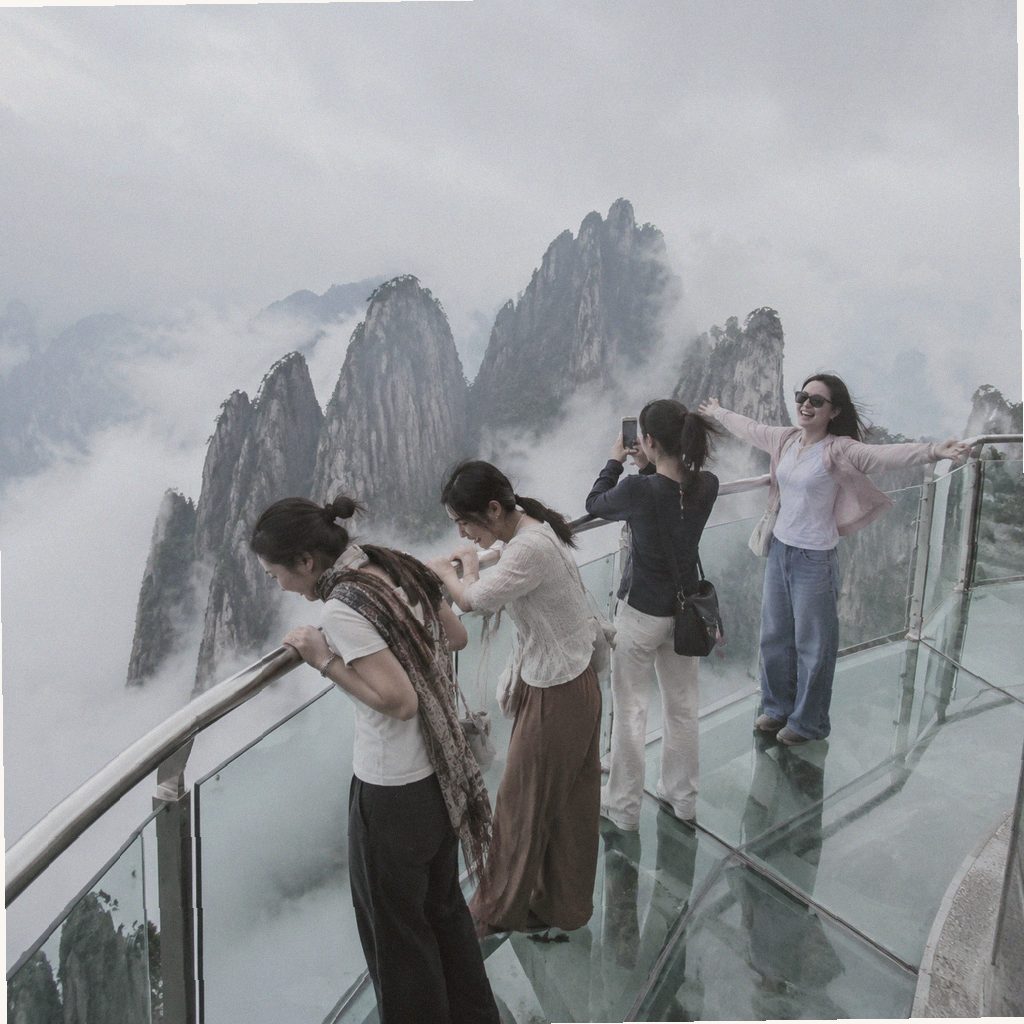
Jiangxi Travel Guide
From the cliffside xianxia fantasy of Wangxian Valley to Mount Sanqing's sea of clouds and Huangling's autumn drying displays, the porcelain capital of Jingdezhen, Mount Lu's cascading waterfalls — where Jiangxi is, when to go, how to get there, how much it costs, what to see, what to eat. A complete guide for global overseas Chinese travelers.
Where Is Jiangxi?
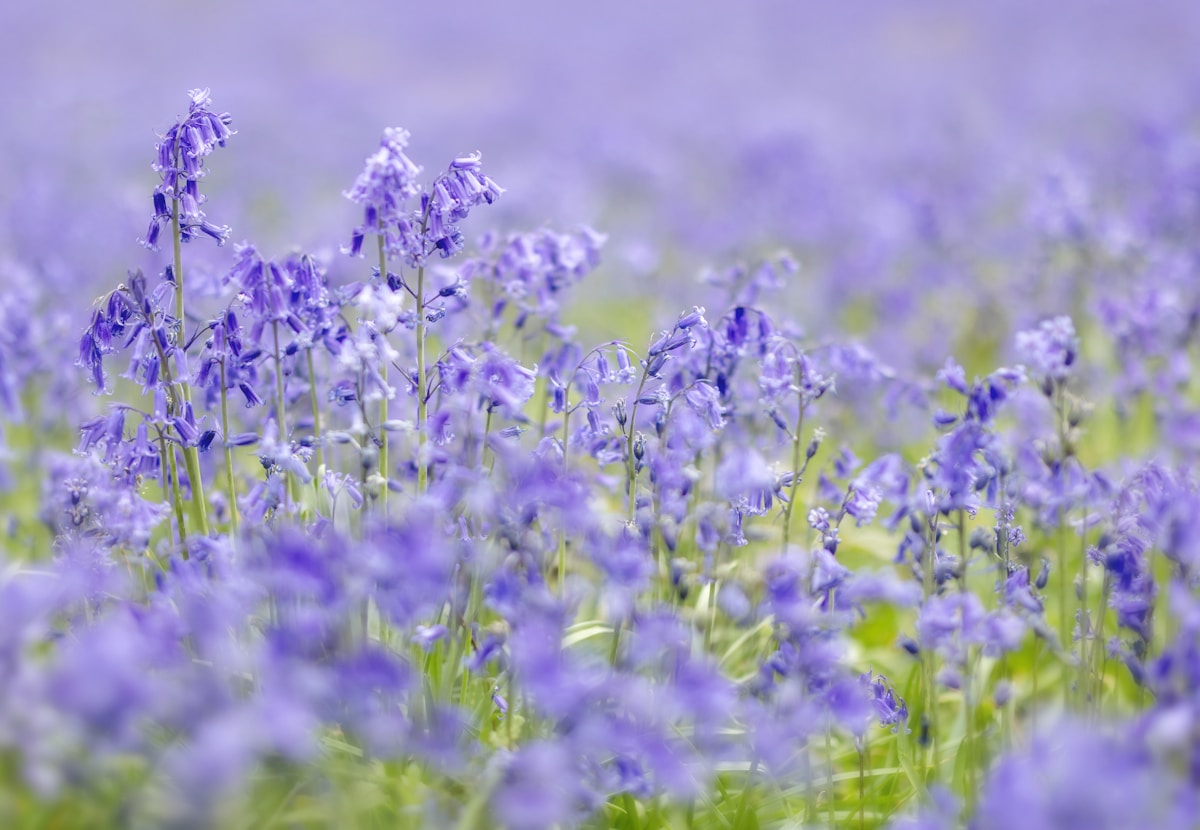
In inland eastern China, south of the middle and lower Yangtze — surrounded by mountains on three sides and water on one. A seriously underrated destination.
Location & Geography
Jiangxi Province lies in inland eastern China, on the southern bank of the middle-lower Yangtze River. It borders Zhejiang and Fujian to the east, Guangdong to the south, Hunan to the west, and Hubei and Anhui to the north. Covering 167,000 km² with a population of 45.18 million, its capital is Nanchang. Jiangxi is ringed by mountains on three sides — the Wuyi Mountains to the east, Nanling to the south, and Luoxiao Mountains to the west — with lower-lying plains opening toward the north, forming a relatively self-contained geographic unit.
Jiangxi's terrain is predominantly hilly and mountainous, with the Poyang Lake plain in the north. Famous peaks like Mount Lu, Mount Sanqing, and Jinggang Mountain all lie within its borders. This mountainous topography makes Jiangxi's travel experience remarkably diverse — from cliffside ancient villages to granite peak forests, from a thousand-year-old porcelain capital to cascading waterfall peaks. Jiangxi packs an impressive number of attractions into a relatively compact area, but tourism developed relatively late — Jiangxi is a genuine "hidden gem destination."
Why Jiangxi Is Worth Visiting
Jiangxi boasts China's most underrated scenic combination:
- Wangxian Valley — a xianxia fantasy world built on cliffs. When the lanterns come on, the entire valley feels like a scene from an anime film. Its night scenery is unlike anywhere else in China
- Mount Sanqing — UNESCO World Natural Heritage. As the saying goes, after seeing the Five Great Mountains, the finest scenery is at Sanqing. The West Coast Walkway hangs among granite peaks, often with a sea of clouds below.
- Huangling — a 500-year-old cliffside village, the birthplace of autumn sun-drying. Huizhou-style architecture clings to cliffs hundreds of meters high
- Jingdezhen — the thousand-year porcelain capital. Watch a master throw clay — a lump of clay becomes a bowl in three minutes. Browse the Sculpture Porcelain Factory for hand-painted ceramics
- Mount Lu — "The waterfall plunges three thousand feet straight down." a UNESCO World Cultural Landscape site and a microcosm of modern Chinese history
- Wuyuan — rapeseed fields in bloom from March to April. China's most beautiful countryside
For overseas Chinese travelers departing from Singapore or Malaysia, Jiangxi's unique value lies in offering a blend of poetic scenery, spirituality, and craftsmanship that's hard to find in other Chinese provinces — Wangxian Valley's xianxia night views, Mount Sanqing's cloud-wrapped plank walkways, Jingdezhen's handmade porcelain — each one is one of a kind. And Jiangxi sees far fewer tourists than Yunnan, Sichuan, or Xinjiang, making for a more relaxed travel experience.
Best Travel Seasons
Jiangxi has four distinct seasons; spring and autumn are best. Here's a month-by-month breakdown:
| Month | Temperature | What to Expect | Rating |
|---|---|---|---|
| Mar–Apr | 10–22°C | Wuyuan rapeseed flowers, spring rain and mist, low crowds | ★★★★★ |
| May–Jun | 18–28°C | More rain, waterfalls at their strongest, terraces flooded | ★★★★☆ |
| Jul–Aug | 26–35°C | High heat, escape to the mountains, tail end of plum rain season | ★★★☆ |
| Sep–Oct | 15–26°C | Crisp autumn air, Huangling sun-drying, most saturated colors | ★★★★★ |
| Nov | 10–20°C | Autumn colors lingering, ginkgo trees, low crowds | ★★★★☆ |
| Dec–Feb | 2–12°C | Damp cold, Mount Lu snow scenery, off-season | ★★☆ |
Bottom line: March–April (rapeseed flowers) and September–November (sun-drying + autumn colors) are the best travel windows. July–August is too hot, but Mount Sanqing and Mount Lu are great for escaping the heat at altitude. The plum rain season (mid-June to early July) brings the most spectacular waterfalls but also the most rain. Wangxian Valley night views are spectacular year-round. It's best to avoid the damp cold from December to February.
What to Prepare Before Departure
Visas, clothing, gear — Jiangxi is mountainous and rainy, so preparation matters.
Visas & Documents
Singapore Passport: 30-day visa-free entry to China. No advance visa application needed. Ensure your passport has at least six months of validity remaining.
Malaysia Passport: 30-day visa-free entry to China (2026 policy). If your trip exceeds 30 days, apply for a visa in advance. Check the latest policy before traveling.
Jiangxi Region: No extra restrictions for foreign visitors — same as Beijing or Shanghai. Nanchang, Jiujiang, and Jingdezhen have plenty of hotels that accept foreign guests. Accommodation near Wangxian Valley is limited, so your travel provider should confirm lodging in advance.
Carry ID at all times: Mount Sanqing, Mount Lu, and other attractions require ID checks.
Packing List — Clothing
Jiangxi is mountainous and rainy; you'll need to account for both day-to-night temperature swings and changes in elevation. Here are suggestions for spring and autumn (the best travel seasons):
- Outer layer: Windbreaker or waterproof jacket — Mount Sanqing and Mount Lu are windy at the summit; altitude temps are 5–10°C lower than at base
- Mid layer: Long-sleeve T-shirts, light fleece — for daytime in cities and lower elevations
- Base layer: Short sleeves — Nanchang can reach 25°C even in spring and autumn
- Bottoms: Long pants primarily — easier for mountain walking and protection against insects
- Shoes: Comfortable walking shoes — Sanqing's plank walkways and Mount Lu's steps both involve a fair amount of walking. Don't wear new shoes
- Rain gear: Foldable umbrella or light raincoat — Jiangxi is rainy, especially during plum rain season
Important note: Mount Sanqing's core area is at about 1,500m elevation, Mount Lu at about 1,200m. Summit temperatures are 5–10°C cooler than Nanchang. Bring a jacket even in spring or autumn. Summer at altitude is comfortable for escaping the heat but requires sun protection. Winter is damp and cold — not recommended for travel.
Packing List — Gear
- Sun protection: SPF50+ sunscreen, sunglasses — strong UV at high altitude
- Medication: Stomach medicine (stomach issues are common in the Wuyuan/Jingdezhen area — bring berberine + levofloxacin), motion sickness pills (many mountain curves), band-aids
- Electronics: Power bank — visits to Mount Sanqing and Mount Lu usually mean a full day outdoors taking photos
- Other: Insulated bottle (hot water on the road), wet wipes, some snacks
- Luggage: One large suitcase + one carry-on per person recommended. Jingdezhen porcelain is the best souvenir — our travel consultant can advise you on how to pack it for shipping
Note: Stomach issues are common in the Wuyuan and Jingdezhen area (water quality / too spicy / bacteria / fake fruit soaked in chemicals). Avoid the dark purple fake fruit sold by roadside vendors — it can cause stomach trouble. Bring berberine and levofloxacin. Our driver-guide selects reliable restaurants, not roadside stalls.
Special Reminders
Huangling cable car: Admission to Huangling must be purchased together with the cable car ticket (RMB 170/person). The cable car is required for access — the scenic area is set on a mountainside. Some tour groups don't mention this in advance and say "cable car is extra" at the gate. Our itinerary includes Huangling ticket + cable car — all-inclusive.
Mount Lu transport: Mount Lu's winding mountain road has 396 curves — easy to get carsick. Our driver has driven it dozens of times a year; and handles the route smoothly. You can also take the cable car up. Mount Lu scenic area has shuttle buses — the color-coding is confusing, with little distinction between routes; be careful not to board the wrong direction.
How to Get to Jiangxi & Get Around
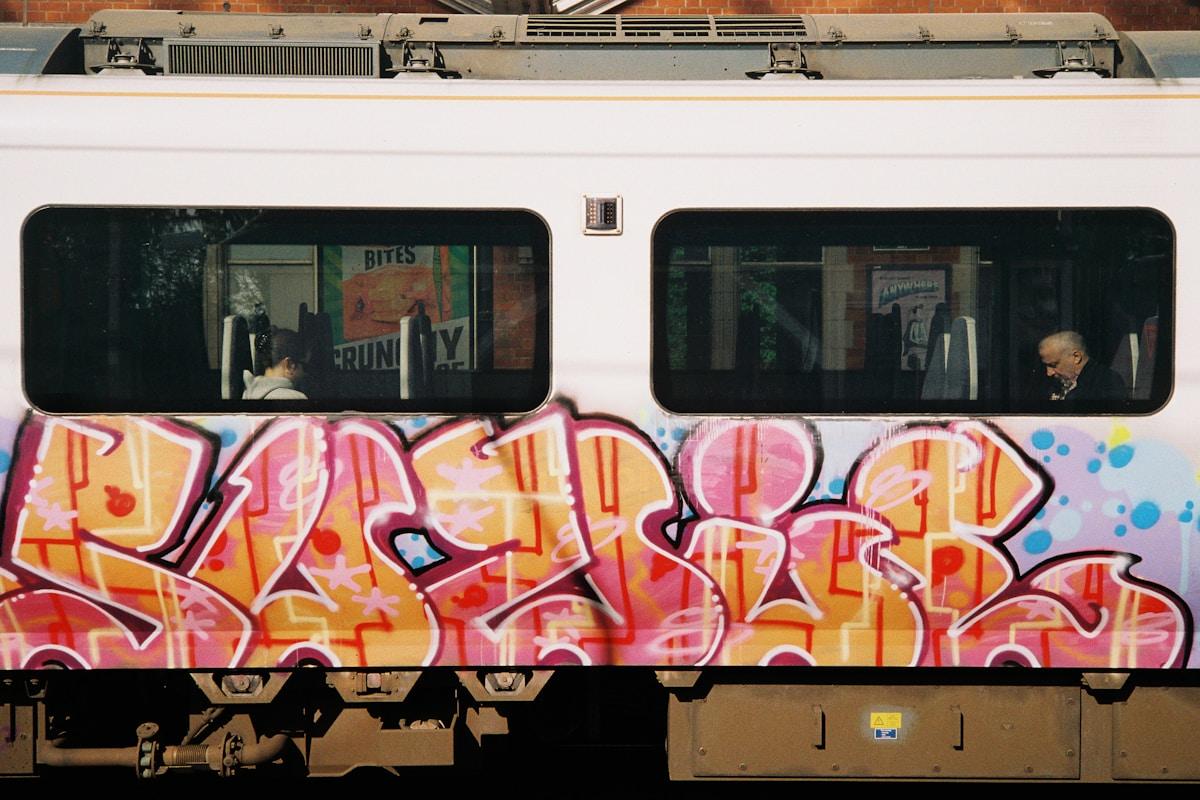
Jiangxi is mountainous but has a well-developed expressway network — intercity drives take 1.5–3 hours, but mountain driving requires experience.
Getting to Jiangxi
Fly into Nanchang Changbei International Airport (KHN) — this is the entry point for the vast majority of travelers. Our itinerary enters and exits through Nanchang.
From Singapore:
- Connecting flights: Singapore–Guangzhou/Shanghai/Shenzhen–Nanchang; total travel time 7–9 hours
- No direct flights; transit through a mainland Chinese city required
From Malaysia (Kuala Lumpur):
- Connecting flights: Kuala Lumpur–Guangzhou/Shenzhen/Shanghai–Nanchang; total travel time 8–10 hours
Recommendation: Book flights 1–2 months in advance. Guangzhou and Shenzhen are the most convenient transit hubs with the highest flight frequency. Nanchang Changbei Airport to the city center is about a 40-minute drive.
Getting Around Jiangxi
Jiangxi covers 167,000 km² and is mountainous. The expressway network is well-developed but has many mountain sections. Transport options within the province:
- Private car / custom tour (recommended): 7-seater minivan + driver-guide with extensive mountain driving experience. Nanchang to Wangxian Valley ~3 hours, Jingdezhen to Jiujiang ~1.5 hours. Mount Lu's winding mountain road has 396 curves — you need an experienced driver
- High-speed rail: Nanchang–Jiujiang ~1 hour, Nanchang–Jingdezhen ~2.5 hours. Good for getting between major cities, but Mount Sanqing, Huangling, and Wangxian Valley are not served by high-speed rail and require transfers
- Self-drive: Many mountain roads and hairpin turns; risky without local road knowledge. Mount Lu's 396 curves demand an experienced driver
- Group tour bus: Cheapest but most exhausting — Mount Lu and Mount Sanqing have long distances between attractions; every day is a rush
Bottom line: Jiangxi's attractions are spread out across mountainous terrain. A private custom tour is the optimal choice — flexible stops, guaranteed mountain road safety, and no need to haul luggage around.
Transport Arrangements: Industry Common Practice vs Our Approach
How Much Does a Jiangxi Trip Cost
Based on a 7-day 6-night Nanchang entry/exit itinerary. Prices are listed in USD, with RMB/MYR/USD references.
The following costs are based on a 7-day 6-night itinerary covering Wangxian Valley + Mount Sanqing + Huangling + Jingdezhen + Mount Lu. Prices include all transport, accommodation, tickets, cable cars, and insurance. They exclude round-trip flights as well as lunch and dinner. Actual prices vary by group size, hotel tier, and season.
Cost Breakdown
- Included: Full private vehicle (fuel/tolls/parking), hotels (with breakfast), attraction tickets + cable cars (Huangling ticket + cable car, Mount Sanqing cable car, Mount Lu ticket), ¥500K travel accident insurance, airport transfers
- Not included: Round-trip flights to/from Nanchang, lunch & dinner (not assigned — driver-guide recommends local restaurants), Jingdezhen porcelain purchases, personal expenses, visa fees (Singapore, Malaysia and most other passports enjoy visa-free entry)
- Meal cost reference: USD 5–15 per person per day (approx. RMB 50–110) for excellent food — Nanchang claypot soup, Jingdezhen alkaline rice cake, Mount Lu stone frog
- Flight cost reference: Singapore/Kuala Lumpur round trip to Nanchang, USD 300–525 booked in advance, USD 525–900 in peak season
Actual prices vary by vehicle type and hotel tier. Tell us your group size and travel dates, and a travel consultant will provide a precise quote.
Five Must-Visit Places
Wangxian Valley, Mount Sanqing, Huangling, Jingdezhen, Mount Lu — what to see and what to avoid at each.
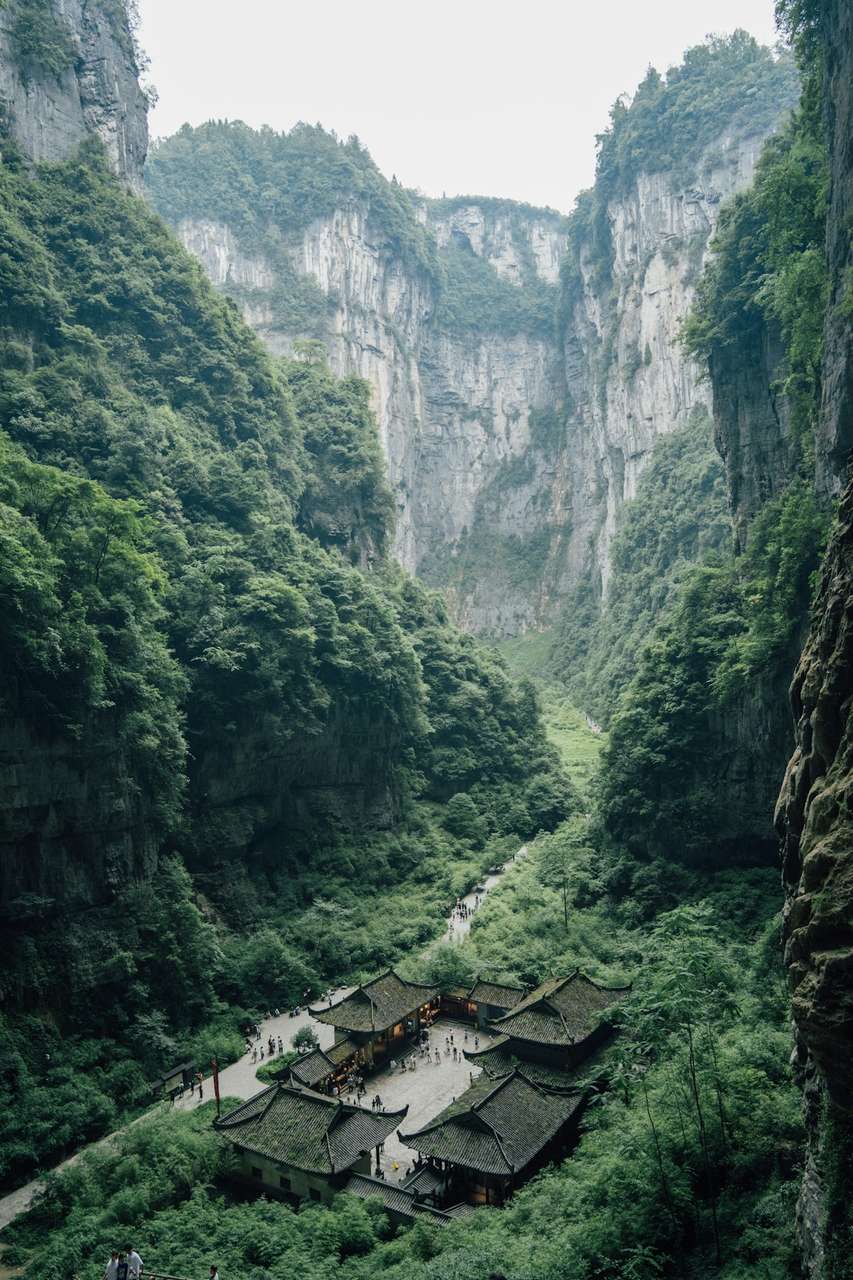
Wangxian Valley is a xianxia fantasy world built on cliffs — a brand-new scenic area that turns the aesthetic of Chinese landscape painting into reality. By day, explore cliffside plank walkways, waterfall pools, and rustic village architecture. At dusk, the moment the lanterns light up — the entire valley transforms into a scene from an animated film. Wangxian Valley's night views are unique in all of China.
Highlights:
- · Cliffside Walkways — paths built on cliffs hundreds of meters high, the valley floor far below
- · Night Views — when the lanterns light up, the entire valley becomes a fairy realm. Photos capture barely a tenth of it
- · Waterfalls & Emerald Pools — mountain streams gathering into deep green pools
Best time: Night views are spectacular year-round. We recommend arriving in the afternoon — walk the cliff paths by day, watch the lanterns light up at dusk, and stay nearby. After the night show, it's just a few minutes' walk to your hotel — no need for another hour-long drive.
Mount Sanqing is a UNESCO World Natural Heritage site and World Geopark located in Shangrao. "Traveling all five great mountains, the ultimate scenery is at Sanqing" — Mount Sanqing is renowned for its granite peak forest landforms. Giant Python Emerges from the Mountain and Goddess of Spring are its iconic formations. The West Coast Walkway is suspended among granite peaks with a sea of clouds beneath your feet — Mount Sanqing's plank walkways are the most spectacular in all of China.
Highlights:
- · West Coast Walkway — suspended flat path with a sea of clouds beneath your feet. The most spectacular walkway in China
- · Giant Python Emerges from the Mountain — a granite pillar peak shaped like a serpent rising into the sky
- · Goddess of Spring — a granite formation resembling a goddess seated in repose
- · Sunshine Coast — for those with energy to spare, this extension offers even more dramatic peak forests
Recommended route: Cable car up → West Coast Walkway (suspended flat path, not tiring) → Giant Python Emerges → Goddess of Spring → cable car down. Energy permitting, add the Sunshine Coast. No hard climbing throughout — the cable car goes directly to the core scenic area.
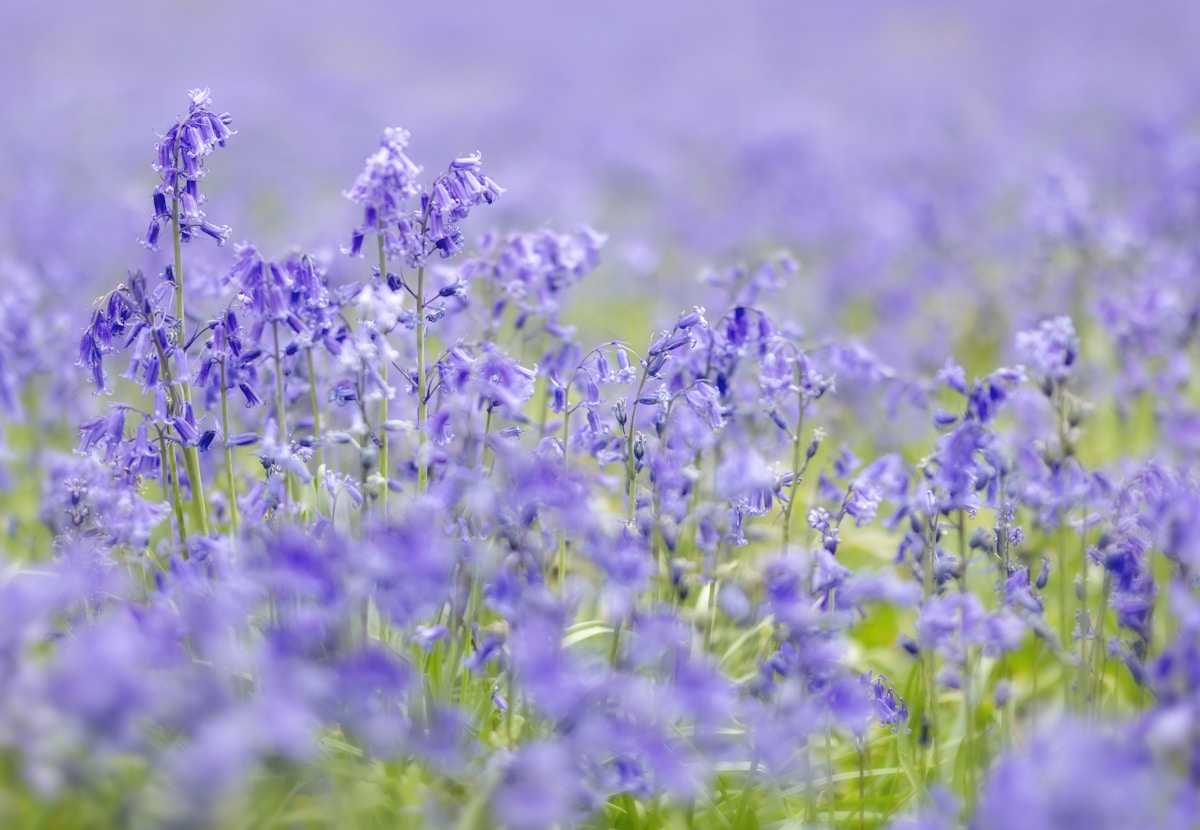
Huangling is a 500-year-old ancient village built on a cliff, the birthplace of autumn sun-drying. Chili peppers, corn, and pumpkins are laid out in rooftop drying baskets — a kaleidoscope of colors blankets the entire village. This landscape exists nowhere else in the world. Leixin Bridge is a glass walkway suspended between two mountains.
Highlights:
- · Sun-Drying — autumn is most classic: chili peppers redden, persimmons yellow, drying baskets cover the rooftops. Spring has rapeseed flowers; summer has green terraces + mist
- · Huizhou Architecture — 500-year-old village hanging on hundred-meter cliffs, white walls and dark tiles
- · Leixin Bridge — glass walkway suspended between two mountains
Best time: September–November is peak sun-drying season. March–April for rapeseed flowers. July for green terraces. Winter after snowfall is even more magical. There's plenty to see outside of autumn.
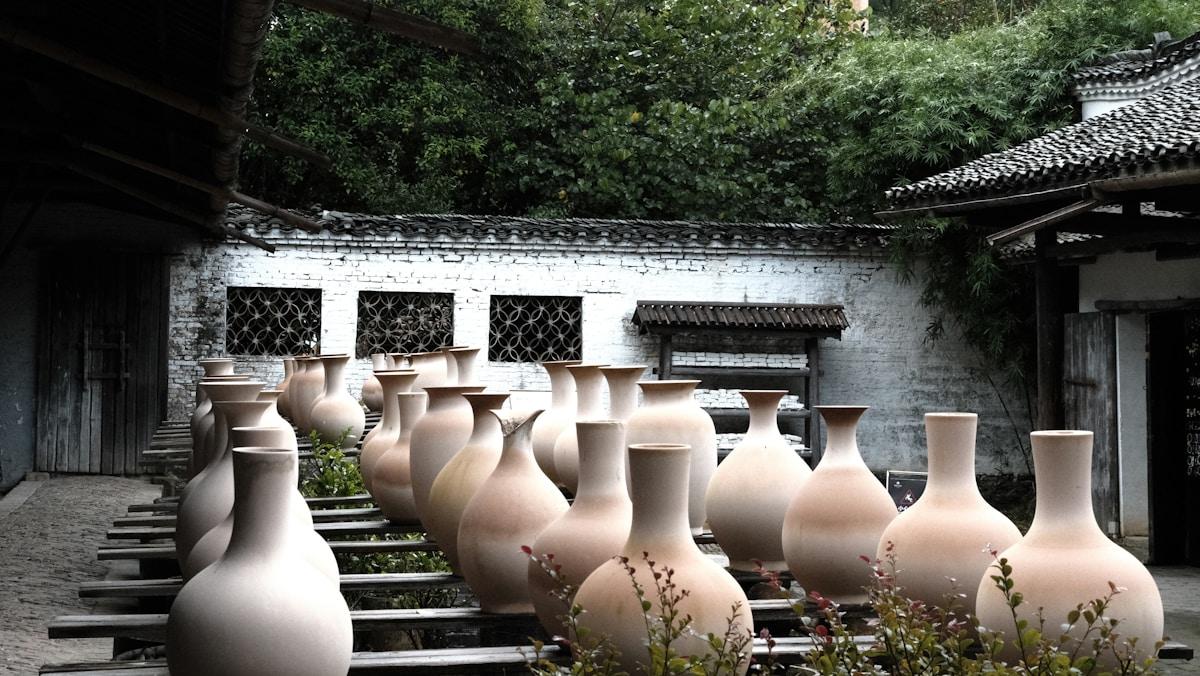
Jingdezhen is the thousand-year porcelain capital with a 1,700-year history of ceramic production. This isn't just about the porcelain — you can watch a master throw clay (a lump of mud becomes a bowl in three minutes in their hands), browse the Sculpture Porcelain Factory for hand-painted ceramics, and visit the Imperial Kiln to see the entire handmade porcelain process from throwing to glazing.
Highlights:
- · Imperial Kiln — watch the complete handmade porcelain process from throwing to glazing
- · Sculpture Porcelain Factory — where locals shop. Fair prices, you can haggle. Young ceramic artists' studios
- · Hand-Painted vs Transfer-Print — our travel consultant teaches you to tell them apart: hand-painted brushstrokes have varying pressure and ink bleed; transfer-print lines are perfectly uniform with no depth
Who it's for: Everyone. Even if you don't buy porcelain, watching a master throw clay is a joy in itself.
Mount Lu is a UNESCO World Cultural Landscape Heritage site located in Jiujiang. "The waterfall plunges three thousand feet straight down, as if the Milky Way were falling from the heavens" — that's Li Bai writing about Mount Lu's waterfall. Mount Lu is more than a mountain — it's a microcosm of modern Chinese history. Chiang Kai-shek and Soong Mei-ling's summer residence "Meilu Villa" is on the mountain, and Mao Zedong also stayed here.
Highlights:
- · Hanpo Pass — the best vantage point for gazing at Poyang Lake. Cloud sea and sunrise
- · Sandiequan (Three-Step Spring) — Mount Lu's most spectacular waterfall, three-tiered cascade
- · Meilu Villa — Chiang Kai-shek and Soong Mei-ling's summer residence. A microcosm of modern Chinese history
- · Flower Path (Huajing) — where Bai Juyi wrote "April on earth, the fragrance has faded; mountain temple peach blossoms have just begun to bloom"
Recommended route: Hanpo Pass for Poyang Lake → Sandiequan for the waterfall → Meilu Villa for history — these three are the soul of Mount Lu. Stay one night; you can walk another section the next morning.
What to Eat in Jiangxi
Nanchang claypot soup, Jingdezhen alkaline rice cake, Mount Lu stone frog, Wuyuan steamed pork with rice flour — restaurants locals actually eat at, not kickback traps.
Jiangxi food is on the spicy side — unlike Sichuan's numbing heat, Jiangxi uses fresh chili peppers for a clean spicy kick. The following are not tourist-group kickback restaurants — they're where locals eat daily. Our travel consultant communicates with restaurants in advance to reduce or omit chili. Prices in RMB with USD reference.
More Worth Trying
- Nanchang Mixed Rice Noodles — ¥3 a bowl, Nanchang breakfast staple. Best paired with claypot soup
- Artemisia Selengensis with Cured Pork — a Nanchang famous dish. Wild Poyang Lake artemisia with a uniquely fresh fragrance
- Three-Cup Chicken — a Jiangxi famous dish (not the Taiwanese version). Rice wine + soy sauce + sesame oil — three cups
- Jingdezhen Cold Rice Noodles — mixed with chili to eat, can request without
- Mount Lu Cloud Mist Tea — one of China's top ten famous teas. Freshest when bought on the mountain
Meal cost reference: USD 5–15 per person per day (approx. RMB 50–110) for excellent dining. Tour group meals cost ¥30–40 per person but are poor quality — bulk-cooked, pre-made. Find local restaurants yourself and eat three times better for the same money. Note: Stomach issues are common in the Wuyuan/Jingdezhen area — choose proper restaurants, don't buy roadside fake fruit.
About Jiangxi Travel
Start Planning Your Jiangxi Trip
Tell us your group size and travel dates, and a travel consultant will customize your Jiangxi itinerary.
Brand-Operated · Fully Licensed · ¥500K Travel Insurance · No Tipping
Key Takeaways
- Jiangxi is an inland province in eastern China with mountains on three sides and plains opening to the north. The article highlights major sights including Wangxian Valley, Mount Sanqing, Huangling, Jingdezhen, Mount Lu, and Wuyuan.
- The guide says spring and autumn are the best times to visit, especially March to April for rapeseed flowers and September to November for sun-drying displays and autumn colors. It notes that July to August is hot, while mid-June to early July has stronger waterfalls but more rain.
- For passports from Singapore, the article states 30-day visa-free entry to China, with at least six months of passport validity needed. For Malaysia passports, it states 30-day visa-free entry under a 2026 policy, and says travelers should check the latest rules before departure.
- Preparation matters because Jiangxi is mountainous and rainy, with summit temperatures at places like Mount Sanqing and Mount Lu lower than at the base. The article also notes that ID checks are required at some attractions and that accommodation near Wangxian Valley is limited.
Official resources
- Ministry of Culture and Tourism of the People's Republic of China (mct.gov.cn) — the national regulator for licensed travel agencies
- National Immigration Administration (nia.gov.cn) — official entry, exit, and immigration information for mainland China
- Consular Services, Ministry of Foreign Affairs (cs.mfa.gov.cn) — official consular information and travel notices