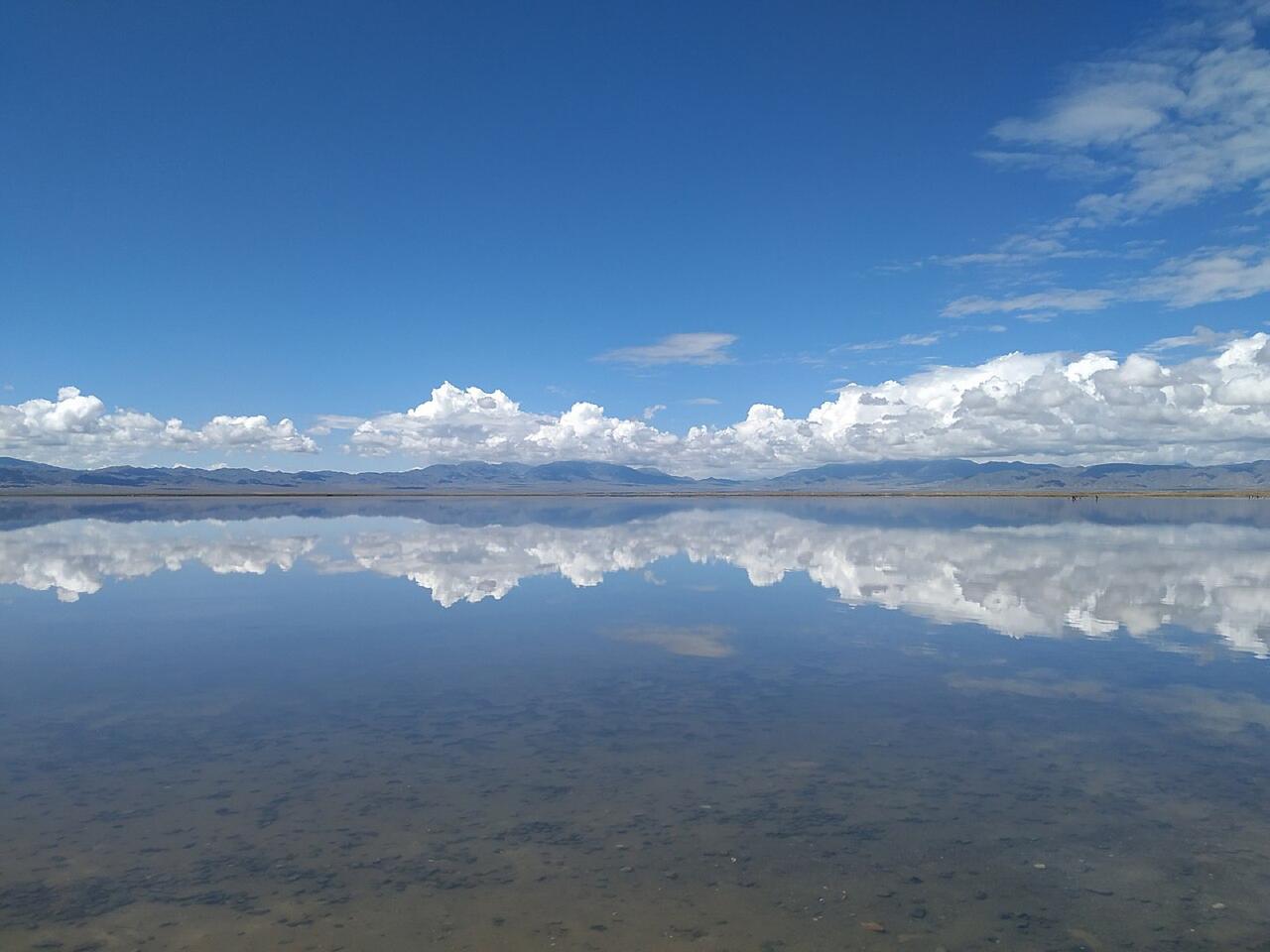
Qinghai-Gansu Grand Loop Travel Guide
Where the Qinghai-Gansu Loop is, when to go, how to get there, how much it costs, what to see, what to eat — a complete guide for global Chinese travelers. Not marketing fluff — real, practical travel reference.
Where Is the Qinghai-Gansu Grand Loop?
A circular route through Qinghai and Gansu provinces, featuring salt lakes, deserts, grottoes, grasslands, and rainbow mountains — one of China's most scenically diverse travel routes.
Geography
The Qinghai-Gansu Grand Loop (shortened to "Qinggan Loop") starts and ends in Xining, Qinghai Province, circling clockwise or counterclockwise through the best scenic areas of both provinces, covering approximately 2,800 km. The loop crosses the northeastern edge of the Qinghai-Tibet Plateau, the fringes of the Qaidam Basin, and the Hexi Corridor — from Qinghai Lake's alpine waters to Dunhuang's desert oasis, from Chaka Salt Lake's mirror-like surface to Zhangye's rainbow-colored Danxia landforms. It's one of China's most diverse landscape routes.
The classic 7-day, 6-night Grand Loop route is: Xining → Qinghai Lake → Chaka Salt Lake → Da Qaidam / Delingha → Emerald Lake / Water Yadan → Dunhuang (Mogao Caves · Mingsha Mountain Crescent Lake) → Jiayuguan → Zhangye Danxia → Qilian → Xining. You can also go counterclockwise (Zhangye/Dunhuang first, then Qinghai). Both directions have pros and cons; clockwise is better for gradually acclimatizing from lower to higher altitude.
Why Visit
The Qinghai-Gansu Grand Loop has China's densest collection of "otherworldly" landscapes:
- Qinghai Lake — China's largest saltwater lake; in July, rapeseed flowers bloom around the lake — blue water, golden flowers, snow-capped mountains in a single view
- Chaka Salt Lake — "Mirror of the Sky," the lake surface perfectly reflects the sky — China's answer to Bolivia's Salar de Uyuni
- Emerald Lake / Water Yadan — Da Qaidam's Emerald Lake shimmers in multiple colors like a painter's palette; Water Yadan is the world's only yardang landform standing in water
- Mogao Caves — UNESCO World Heritage, 735 caves, 45,000 m² of murals, over 2,400 painted sculptures
- Mingsha Mountain & Crescent Lake — a remarkable oasis where desert dunes and a clear spring coexist, with camel rides and sandboarding
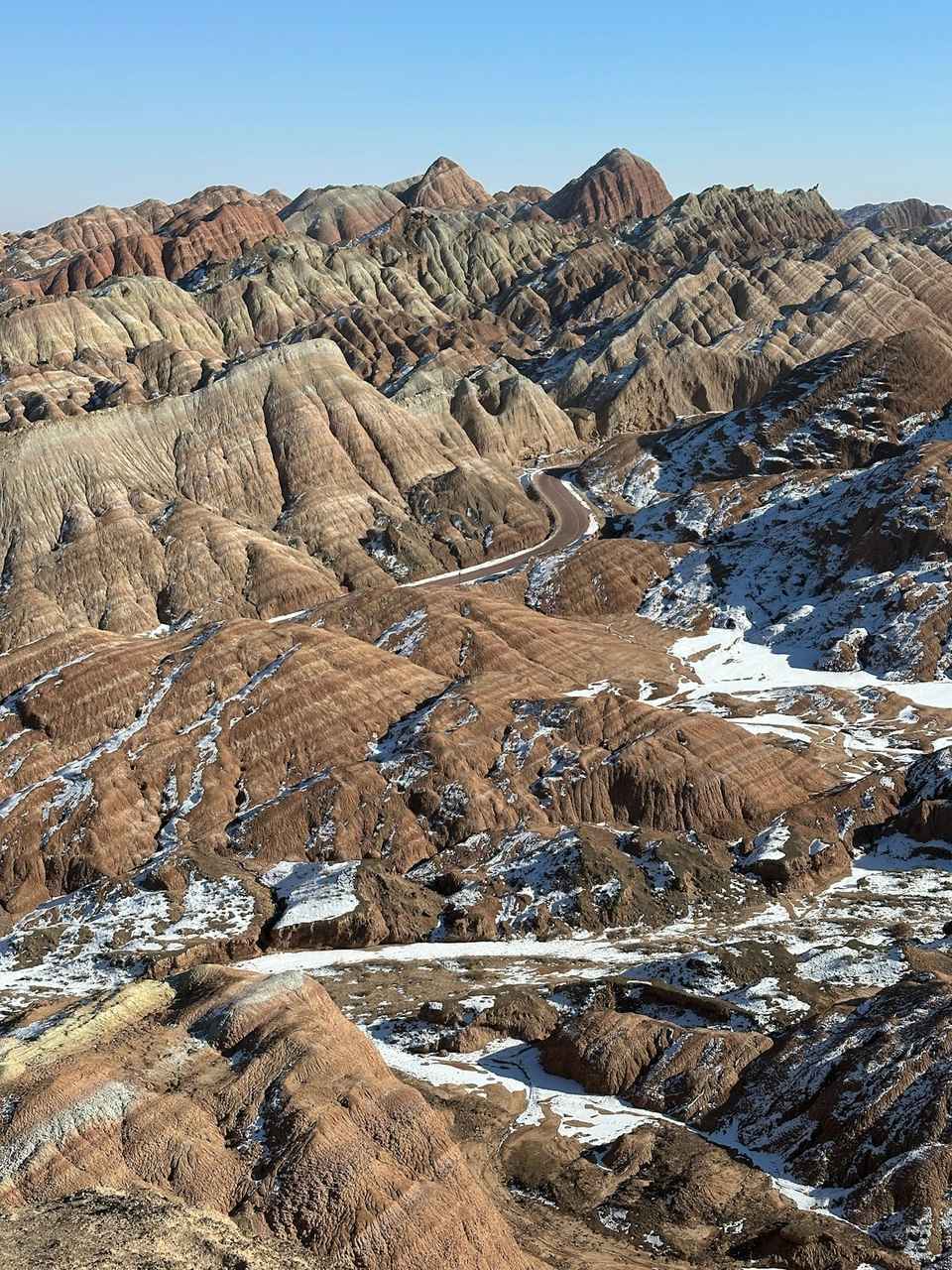
- Zhangye Rainbow Danxia — China's most beautiful Danxia landform, colorful mountains like oil paintings
- Qilian Grasslands — "Little Switzerland of the East," where grasslands, snow mountains, and pastures intertwine
For Chinese travelers from Singapore and Malaysia, the Grand Loop's unique value is that it packs salt lakes, deserts, grottoes, Danxia, grasslands, and snow mountains — six distinct landscapes in a single itinerary, rare anywhere in the world. Southeast Asia has no plateaus, no deserts, no cave murals — this is the kind of trip that lets you experience landscapes you won't find back home. From Singapore or Malaysia, fly to Xining via a connection in Guangzhou or Chengdu (total travel time is about 6–7 hours).
Best Season to Visit
The Qinghai-Gansu Grand Loop has a relatively short travel window; June–September is the core season. Monthly breakdown:
| Month | Temperature | Scenery Highlights | Rating |
|---|---|---|---|
| Apr–May | 0–15°C | Strong winds, low temperatures, some areas closed | ★★ |
| Jun | 8–22°C | Qinghai Lake rapeseed flowers begin, fewer crowds, lower prices | ★★★★☆ |
| Jul–Aug | 12–26°C | Peak season, rapeseed flowers in full bloom, salt lakes at their best, highest prices | ★★★★★ |
| Sep | 6–20°C | Autumn colors deepen, fewer crowds, good value | ★★★★☆ |
| Oct | 0–12°C | Temperatures plunge, some areas close | ★★ |
| Nov–Mar | -15–5°C | Severe cold, most areas closed, not recommended | ★ |
Verdict: June–August is the golden window for the Qinghai-Gansu Grand Loop — Qinghai Lake rapeseed flowers in full bloom, Chaka Salt Lake 'Mirror of the Sky' at its best. July–August is peak season: highest prices but also most beautiful. September brings autumn colors, fewer crowds, and better value. Avoid the National Day (October 1) Golden Week. Best windows: late June and early September — good weather, moderate crowds, reasonable prices.
What to Prepare Before Departure
Visas, altitude, clothing, gear — don't miss a thing.
Visas & Documents
Singapore Passport: Visa-free entry to China for 30 days. No advance visa application needed. Ensure passport validity exceeds 6 months.
Malaysian passport: Visa-free entry to China for 30 days under the 2026 policy. A 7-day 6-night itinerary falls within the visa-free window. If your trip exceeds 30 days, apply for a visa in advance. Check the latest policy before travel.
Foreign Guest Accommodation Restrictions (Important): A common issue on the Qinghai-Gansu route — some hotels along the Delingha, Da Qaidam, and Water Yadan corridor do not accept foreign guests (foreign passport holders). Many agencies don't disclose this in advance; you may arrive only to find that you can't check in, then scramble to find an accepting hotel or get rerouted dozens of kilometers away, losing 3–4 hours the next day backtracking. We pre-mark foreign guest accommodation restrictions and route around problematic hotels.
Carry ID at all times: Scenic areas and hotels require a passport for check-in. The plateau has frequent checkpoints; carry a photocopy as backup.
Altitude Sickness
The Qinghai section of the Grand Loop ranges from 2,800 to 3,800 m in elevation — true plateau altitude. Plan your itinerary for natural acclimatization:
- Xining: ~2,200m — generally symptom-free
- Qinghai Lake: ~3,200m — mild dizziness for some
- Chaka Salt Lake: ~3,100m — fine after acclimatization
- Da Qaidam / Delingha: 2,800–3,200m — requires attention
- Dunhuang: ~1,140m — back to low altitude, no altitude risk
Recommendation: Acclimatize in Xining (2,200m) on Day 1; avoid strenuous activity. Carry oxygen canisters for the Qinghai Lake section (3,200m). Those with serious cardiovascular or respiratory conditions should consult a doctor before travel. Special note: Plateau air pressure differences will cause sealed cosmetic packaging to expand or even explode — loosen caps to release pressure, then reseal, or use sealed bags for repackaging.
Clothing Checklist
Plateau day-night temperature swings are extreme — "four seasons in one day." Even in July, Qinghai Lake mornings can drop to 5°C. Follow the layering principle:
- Outer layer: Windbreaker or light down jacket — essential for Qinghai Lake, Chaka, Da Qaidam mornings and evenings
- Mid layer: Long-sleeve T-shirt, light fleece — daytime when the sun is strong
- Base layer: Short sleeves — July–August Dunhuang can reach 35°C during the day
- Bottoms: Long pants preferred — desert and salt lake winds are strong; shorts are impractical
- Shoes: A good pair of walking shoes — desert and salt lake surfaces are unique; avoid wearing brand-new shoes
- Accessories: UV400 sunglasses, wide-brimmed hat, sun protection face covering — plateau UV is extremely intense
Special note: Plateau UV is extremely intense — sunburn is possible even on overcast days. SPF50+ sunscreen is essential. June–August may bring occasional showers; bring a folding umbrella or rain jacket. Cosmetic warning: Changes in air pressure at high altitude can cause sealed cosmetics to burst — loosen caps to release pressure, then reseal, or use travel-size bottles.
Gear Checklist
- Sun protection: SPF50+ sunscreen, UV400 sunglasses, wide-brimmed hat, face covering / scarf
- Medications: Motion sickness pills (long drives on the loop, winding roads), stomach medicine (dietary changes may cause discomfort), cold medicine, Rhodiola rosea (optional, for altitude prevention), band-aids
- Electronics: Power bank (long drives drain phones fast), car charger adapter
- Other: Thermos (hot water on the road), wet wipes, light snacks, sealed bags (for repackaging cosmetics)
- Luggage: One large suitcase + one carry-on per person recommended. The region is known for many local specialties — goji berries, black goji berries, cistanche.
Note: Plateau air pressure can cause cosmetic packaging to explode — this is a unique Qinghai-Gansu trap many travelers don't know about. Before departure, loosen all sealed bottle caps to release pressure, then tighten, or use sealed bags for repackaging.
How to Get There & Navigate the Loop
The Grand Loop's attractions are scattered across 2,800 km — how you arrange transport defines your experience.
How to Get to Xining
Fly into Xining Caojiabao International Airport (XNN) — the start and end point of the Qinghai-Gansu Grand Loop.
From Singapore:
- Connecting: Singapore–Guangzhou/Chengdu–Xining, ~6–7 hours total
- No direct flights; connection required via Guangzhou or Chengdu
From Malaysia (Kuala Lumpur):
- Connecting: Kuala Lumpur–Guangzhou/Chengdu–Xining, ~6.5–7.5 hours total
- No direct flights; connection required
Tip: Xining has no direct flights from Singapore/Malaysia; connect via Guangzhou or Chengdu, ~6–7 hours total. Book 1–2 months ahead; peak season (July–August) prices double. You can also fly into Lanzhou Zhongchuan Airport (LHW) and take high-speed rail to Xining (~1.5 hours) — Lanzhou has more flights.
Loop Transport
The Qinghai-Gansu Grand Loop covers ~2,800 km; driving times between attractions:
- Xining–Qinghai Lake: ~2.5 hrs by expressway
- Qinghai Lake–Chaka Salt Lake: ~3 hrs
- Chaka–Da Qaidam / Delingha: ~4–5 hrs
- Da Qaidam–Emerald Lake / Water Yadan: ~2–3 hrs
- Da Qaidam–Dunhuang: ~6–7 hrs (crossing an uninhabited area — the longest leg)
- Dunhuang–Jiayuguan: ~4.5 hrs by expressway
- Jiayuguan–Zhangye Danxia: ~3 hrs by expressway
- Zhangye–Qilian: ~3.5 hrs
- Qilian–Xining: ~3 hrs
Transport mode comparison:
- Charter / Custom Tour (recommended): 7-seater business vehicle + driver-guide; safe through uninhabited areas, flexible stops, with a more manageable itinerary — ideal for 4–6 person family trips
- Self-drive: Roads are decent but uninhabited stretches are long with weak mobile signals; demands driver stamina and experience
- Group bus tour: Cheapest but most exhausting — 8 a.m. departures every day, 2-hour shopping stops, 1 hour at attractions. The Grand Loop is a "shopping tour disaster zone."
Bottom line: The Qinghai-Gansu Grand Loop is one of China's longest-driving travel routes — with 300–600 km between attractions and 4–7 hours on the road each day. Transport is both the biggest cost item and the biggest factor shaping your overall experience. The key is avoiding shopping tours, avoiding foreign guest accommodation traps, and ensuring safety through uninhabited areas.
Travel Arrangements: Industry Standard vs. Our Approach
How Much Does the Qinghai-Gansu Grand Loop Cost?
Based on 7 days 6 nights Grand Loop. USD primary, with RMB/MYR/USD reference.
The following costs are based on a 7-day, 6-night trip, Xining entry/exit, clockwise Grand Loop (Qinghai Lake → Chaka → Da Qaidam → Dunhuang → Jiayuguan → Zhangye → Qilian → Xining). Prices include transport, accommodation, entrance tickets, and insurance, but exclude round-trip flights and lunch and dinner. Actual prices vary by group size, hotel tier, and season.
Cost Notes
- Included: Full transport (business vehicle including fuel/tolls/parking), hotels (with breakfast), entrance tickets (including Mogao Caves normal ticket), RMB 500,000 travel accident insurance, photoshoot, airport transfers
- Not included: Round-trip flights to/from Xining, lunch & dinner (not specified — driver-guide recommends local restaurants), personal expenses, visa fees (Singapore, Malaysia and most other passports enjoy visa-free entry)
- Estimated meal costs: USD 5–10/person/day (approx. RMB 40–80) for great meals — hand-grabbed lamb, niangpi, tianpei
- Estimated flight costs: Singapore/Kuala Lumpur round-trip to Xining (connection required), USD 260–450 booked early, USD 450–750 in peak season
Actual prices vary by vehicle type and hotel tier. Tell us your group size and travel dates, and your travel consultant will provide an exact quote.
Four Must-Visit Places
Qinghai Lake, Chaka Salt Lake, Mogao Caves, Mingsha Mountain Crescent Lake — highlights and pitfalls for each.
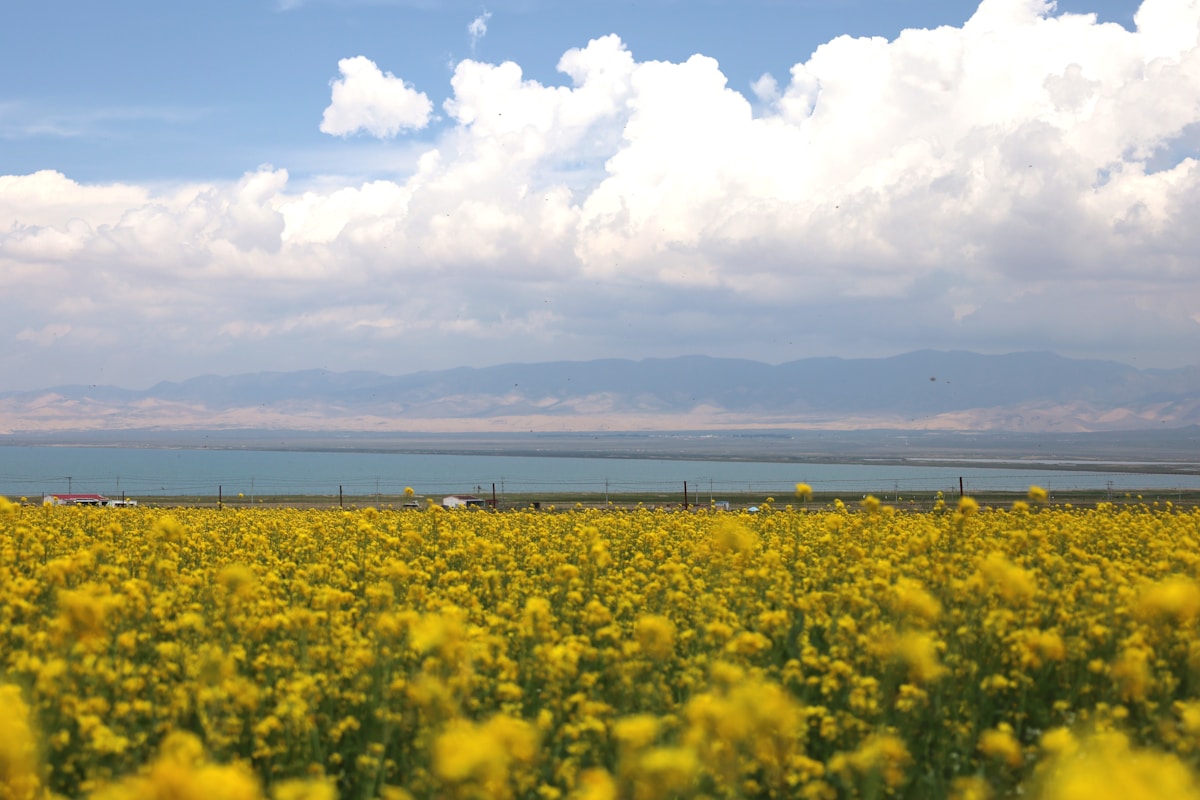
Qinghai Lake is China's largest saltwater lake, covering 4,543 km² at an altitude of 3,200m. In July–August, rapeseed flowers bloom around the lake — blue water, golden flowers, and distant snow mountains in a single view. This is the most iconic image of the Qinghai-Gansu Grand Loop.
Highlights:
- · Rapeseed flower fields — mid-to-late July through early August, golden flower seas line the loop road
- · Erlangjian Scenic Area — official scenic area, walk to the lakeside boardwalk
- · Loop road — 360 km around the lake, every angle offers a different view
- · Photoshoot — costumes provided, staff accompany for photos, rapeseed fields + lake backdrop
Best time: July–August rapeseed flower peak. Early morning has the best light and fewest people. September autumn colors are also beautiful. Sunny vs. overcast days make a huge difference — Qinghai Lake under clouds looks grey and dull; only under blue skies does it show that iconic blue.
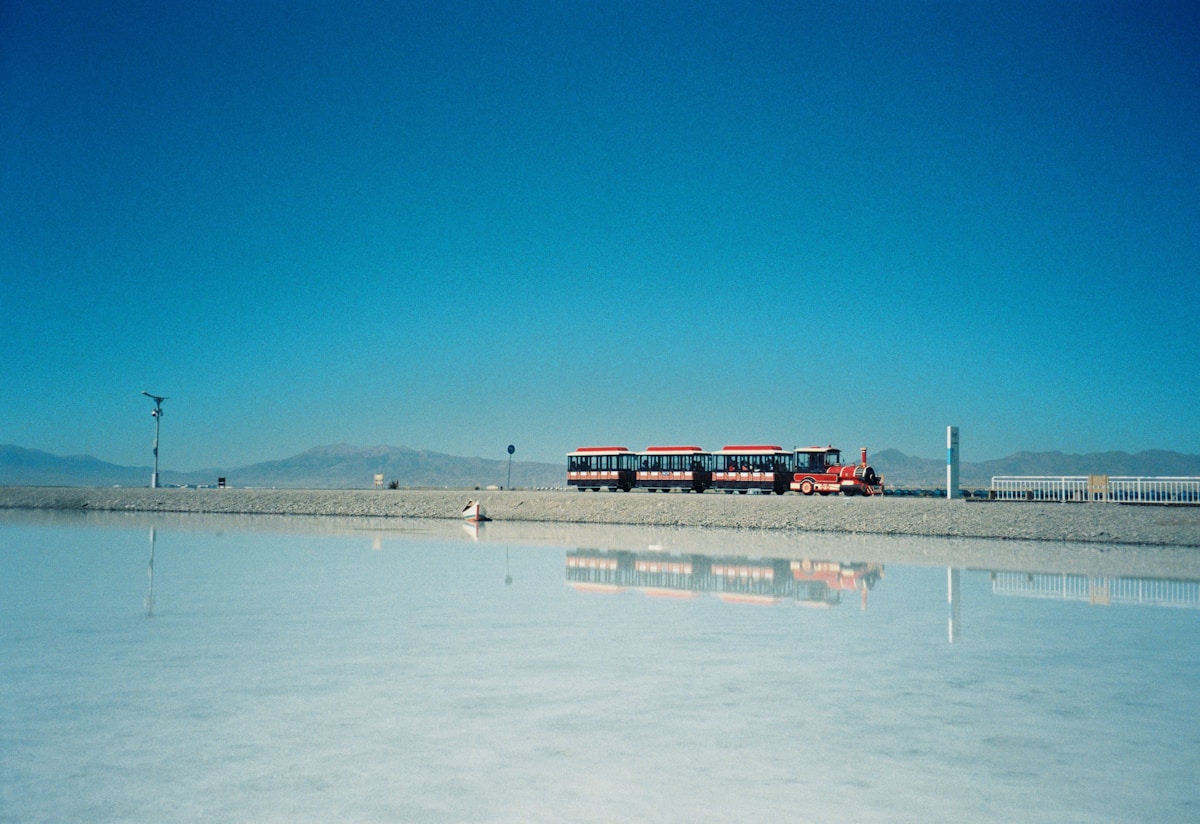
Chaka Salt Lake is China's most famous salt lake — the lake surface acts as a perfect mirror reflecting the sky and clouds, known as the "Mirror of the Sky." China's answer to Bolivia's Salar de Uyuni. At 3,100m altitude, it covers 105 km². When water levels are right after the rainy and snowmelt seasons, the reflection effect is at its peak.
Highlights:
- · Mirror of the Sky — on windless sunny days, the surface is a perfect mirror reflecting figures
- · Little train — salt lake train rides deep into the lake center
- · Salt sculptures — large-scale outdoor salt sculpture art
- · Barefoot experience — you can walk barefoot into the lake (watch out for sharp salt crystals)
Best time: June–September. After rainy and snowmelt seasons, water levels are right for the best reflection. A windless, sunny day is key — wind creates ripples that kill the mirror effect. Early morning has the best light and fewest crowds.
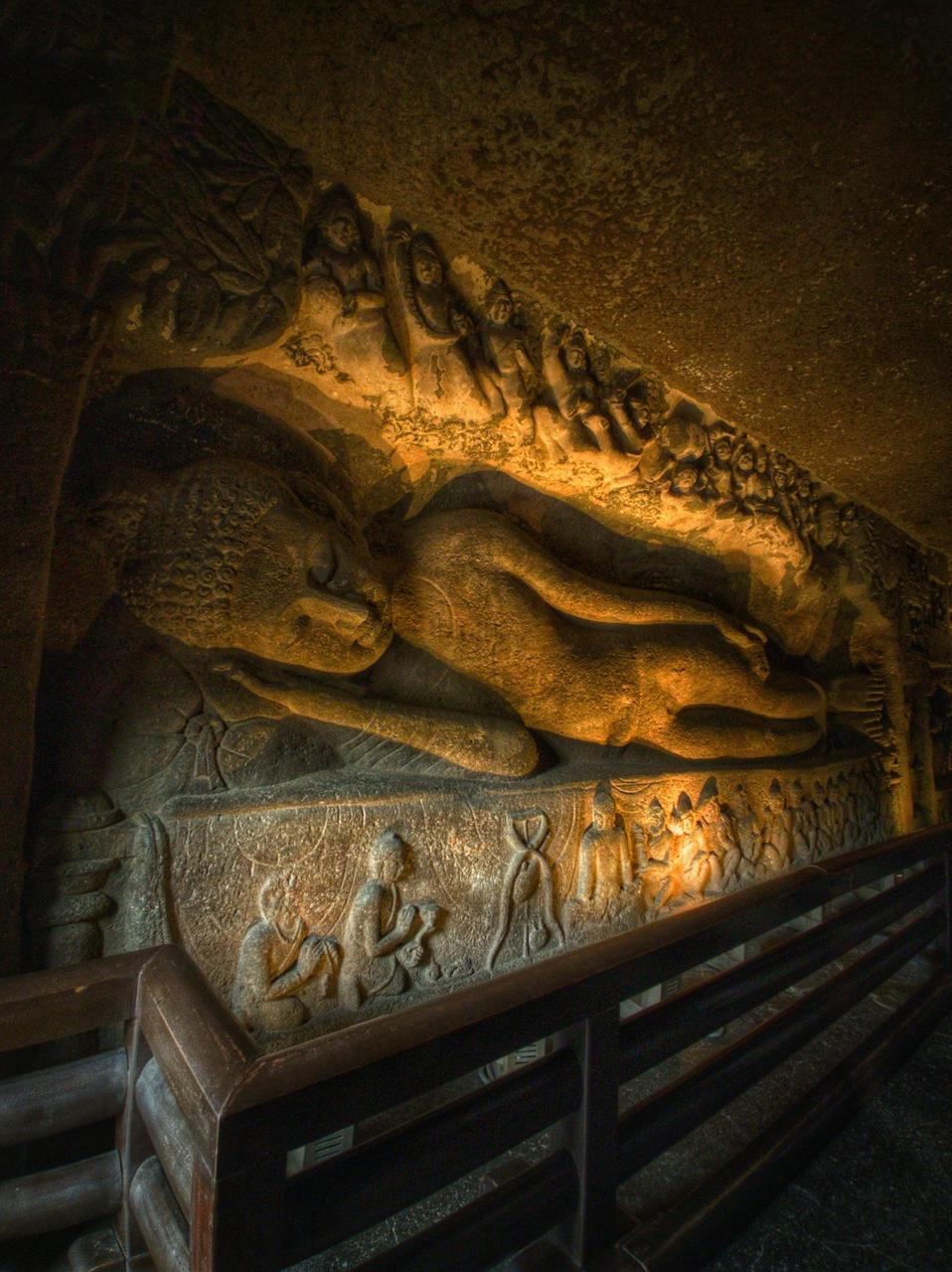
Mogao Caves are located 25 km southeast of Dunhuang. Construction began in the Former Qin dynasty (366 AD) and continued over a thousand years. Today, 735 caves survive, containing 45,000 m² of murals and over 2,400 painted sculptures. Inscribed as UNESCO World Heritage in 1987, it is the world's largest and best-preserved treasury of Buddhist art.
Key Facts:
- · Normal ticket — see 8 caves + Category A digital film (dome theater); book 30 days in advance
- · Emergency ticket — only 4 caves, no digital film; available on-site in peak season
- · Guided tour — normal tickets include a professional guide leading groups of ~20
- · Digital Exhibition Center — watch two digital films for background before entering the actual caves
Recommended flow: Start at the Digital Exhibition Center for two films (~40 min), then take the scenic bus to the Mogao Caves site. Normal ticket covers 8 caves over ~2–2.5 hours. No photography inside caves — flash damages the murals.
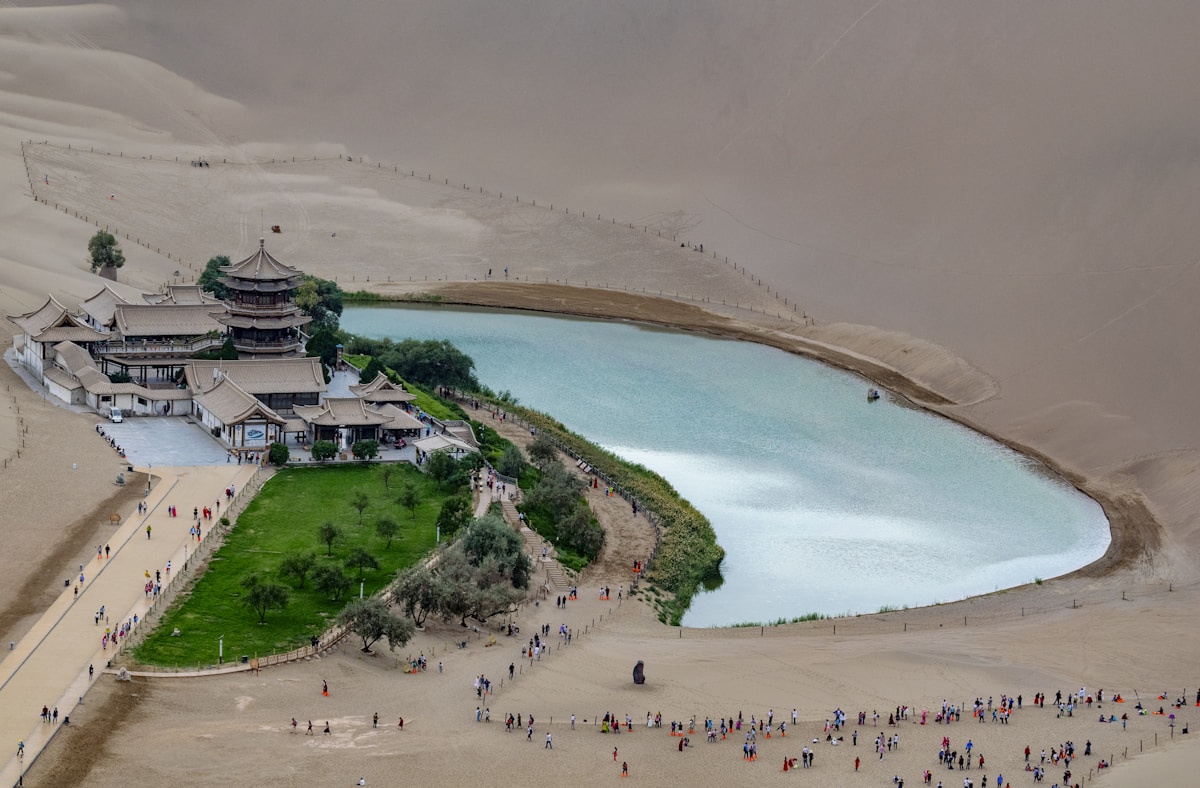
Mingsha Mountain is 5 km south of Dunhuang, named for the sound the sand makes when moved by wind. Crescent Lake, embraced by the dunes and shaped like a crescent moon, is a thousand-year miracle — sand never buries the spring, and the spring never runs dry. Activities include camel riding, sand-surfing, and climbing the dunes to watch the sunset.
Highlights:
- · Crescent Lake — a clear spring in the desert, unfailing for a thousand years, shaped like a crescent moon
- · Camel riding — camel trains crossing the desert, a classic experience
- · Sand-surfing — slide down the dune face on a sandboard
- · Desert sunset — climb the dune peak for the sunset over golden sand seas
Best time: Late afternoon. Enter after 5pm, ride camels and sand-surf first, then climb the dune peak for sunset. Daytime is too hot (summer ground surface can reach 60°C). The scenic area stays open until 9–10pm in summer.
What to Eat in Qinghai & Gansu
Hand-grabbed lamb, Lanzhou beef noodles, niangpi, tianpei — local joints, not kickback restaurants.
Qinghai-Gansu cuisine is Northwest Chinese style — heavy on meat, heavy on noodles, generous portions. The recommendations below are not tour-group kickback restaurants — they're where locals actually eat. Prices in RMB with USD reference.
More Worth Trying
- Yogurt — Qinghai old-style yogurt, thick as tofu, topped with sugar or honey
- Kang Guo Lamb — lamb stewed in a large iron pot with potato noodles, a Dunhuang specialty
- Donkey Meat Yellow Noodles — Dunhuang's signature: sliced donkey meat with yellow noodles — "Dragon meat in heaven, donkey meat on earth"
- Apricot Skin Drink — Dunhuang specialty beverage brewed from Li Guang apricot skins, sweet-sour and thirst-quenching
- Goji Berries / Black Goji Berries — Qinghai is the origin; brew in water or tea. Visit a goji berry estate for a picking experience
Meal budget: USD 5–10/person/day (approx. RMB 40–80) for great meals. Tour group meals are RMB 25–35/person but poor quality — mass-produced cafeteria food. Find local joints yourself and eat three times better for the same money. On uninhabited area legs, lunch may be limited to instant noodles or packed snacks — stock up at supermarkets beforehand.
About the Qinghai-Gansu Grand Loop
Start Planning Your Qinghai-Gansu Grand Loop
Tell us your group size and travel dates — your travel consultant will customize a Qinghai-Gansu itinerary for you.
Brand Direct · Fully Licensed · RMB 500K Travel Insurance · No Tipping
Key Takeaways
- The Qinghai-Gansu Grand Loop is a roughly 2,800 km circular route that starts and ends in Xining, covering major sights in Qinghai and Gansu. It is known for combining salt lakes, deserts, grottoes, grasslands, and rainbow-colored Danxia landforms in one trip.
- The classic itinerary is 7 days and 6 nights, with common stops including Qinghai Lake, Chaka Salt Lake, Da Qaidam or Delingha, Emerald Lake or Water Yadan, Dunhuang, Jiayuguan, Zhangye Danxia, and Qilian. Travelers can go clockwise or counterclockwise, but clockwise is noted as better for gradual altitude acclimatization.
- The main travel season is June to September, with June to August described as the best overall window. July and August have the fullest rapeseed flowers and salt lake scenery but also the highest prices, while September has fewer crowds and better value.
- Altitude on the route ranges from about 2,200 m in Xining to around 3,800 m in parts of the Qinghai section, so acclimatization matters. The article advises carrying your passport at all times because hotels, scenic areas, and checkpoints may require it.
- For Singapore passport holders, the article says China entry is visa-free for 30 days, and for Malaysian passport holders it states visa-free entry for 30 days under the 2026 policy. It also warns that some hotels along the Delingha, Da Qaidam, and Water Yadan corridor may not accept foreign guests.
Official resources
- Ministry of Culture and Tourism of the People's Republic of China (mct.gov.cn) — the national regulator for licensed travel agencies
- National Immigration Administration (nia.gov.cn) — official entry, exit, and immigration information for mainland China
- Consular Services, Ministry of Foreign Affairs (cs.mfa.gov.cn) — official consular information and travel notices