Xi'an Travel Guide
Where Xi'an is, when to visit, how to get there, how much it costs, what to see, and what to eat — a complete guide for global overseas Chinese travelers. No marketing fluff — just practical travel advice.
Where Is Xi'an
In the heart of Northwest China, capital of 13 dynasties in Chinese history, starting point of the Silk Road — one of the birthplaces of Chinese civilization.
Location
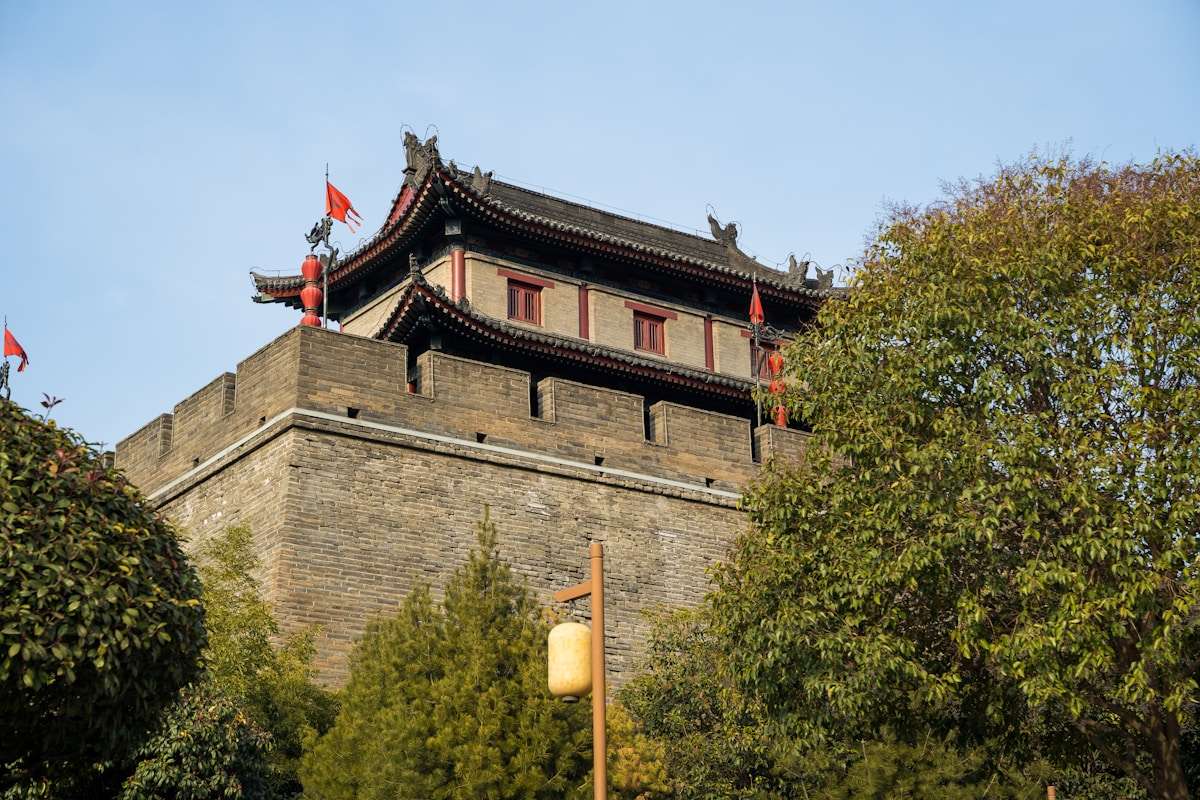
Xi'an is located in the central Guanzhong Plain of Shaanxi Province, south of the Qinling Mountains and north of the Wei River. It is one of China's Four Great Ancient Capitals and the eastern starting point of the Silk Road. The Xi'an City Wall is the largest and best-preserved ancient city wall in China. As the capital of 13 dynasties (Western Zhou, Qin, Western Han, Sui, Tang, etc.), Xi'an has thousands of years of history layered beneath its ground — the Terracotta Army is just the tip of the iceberg.
A trip to Xi'an usually centers on three main routes: the City Route (City Wall — Stele Forest — Bell & Drum Towers — Muslim Quarter — Tang Dynasty Ever-Bright City), the East Route (Terracotta Army — Huaqing Palace — Mount Li), and the West Route (Mount Hua day trip). First-time visitors should spend 7 days and 6 nights covering all three — in-depth city exploration plus a full day on Mount Hua, for a relaxed pace without wasting time on long, inefficient drives.
Why Visit
Xi'an offers China's densest concentration of historical and cultural experiences:
- Terracotta Army — The Eighth Wonder of the World, Qin Shi Huang's mausoleum pits, over 8,000 terracotta warriors and horses, Pit 1 is the largest
- Mount Hua — One of the Five Great Mountains, elevation 2,160 m, "World's Most Precipitous Mountain," cable car to West Peak
- Xi'an City Wall — The most complete ancient city wall in China, 13.7 km perimeter, perfect for cycling
- Shaanxi History Museum — China's first large modern national museum, 370,000 artifacts
- Tang Dynasty Ever-Bright City — Tang-culture themed pedestrian street, dazzling night lights, the viral "Tumbler Lady" performance
- Muslim Quarter / Yongxingfang — Culinary epicenter of Shaanxi: Roujiamo, Yangrou Paomo, Liangpi, Biángbiáng noodles
For overseas Chinese travelers from Singapore and Malaysia, Xi'an's unique value lies in being China's most history-dense city — from Qin and Han to the golden Tang, a millennium of civilization layered in one city. The Chinese diaspora has a natural affinity for Chinese civilization, but what you learn in textbooks you can see and touch in Xi'an. Direct flights from Southeast Asia take about 5–6 hours — one of the easiest gateways to northwest China for travelers interested in China's deep historical roots.
Best Season to Visit
Xi'an has four distinct seasons, each offering a very different experience. Here's a month-by-month breakdown:
| Month | Temp Range | Highlights | Rating |
|---|---|---|---|
| Mar–Apr | 8–20°C | Spring blooms, perfect for City Wall cycling | ★★★★★ |
| May | 14–26°C | Pleasant climate, Mount Hua azalea season | ★★★★☆ |
| Jun–Aug | 22–40°C | Scorching heat, but Mount Hua offers cool escape | ★★★ |
| Sep–Oct | 12–24°C | Crisp autumn, stunning Mount Hua fall colors | ★★★★★ |
| Nov | 4–16°C | Early winter chill, fewer crowds, lower prices | ★★★★ |
| Dec–Feb | -4–8°C | Tang Dynasty Ever-Bright City lantern festival at its liveliest | ★★★ (winter) |
Verdict: March–May and September–October are the best times to visit Xi'an — clear skies, comfortable temperatures, great lighting. July–August hits 35–40°C during the day, but Mount Hua's summit is 10°C cooler — schedule museums (air-conditioned) for midday. December–February has fewer crowds and lower prices; the Tang Dynasty Ever-Bright City lantern festival is most spectacular at night. Avoid May Day and National Day Golden Weeks — Pit 1 of the Terracotta Army gets so packed you can't even see the warriors.
What to Prepare Before You Go
Visas, clothing, gear, ticket reservations — miss nothing.
Visas & Documents
Singapore passport: Visa-free for 30 days to China, no advance visa needed. Ensure passport validity exceeds 6 months.
Malaysia passport: Visa-free for 30 days to China (2026 policy); for trips exceeding 30 days, apply for a visa in advance. Check the latest policies before traveling.
Xi'an: There are no additional restrictions for foreign visitors — same as Beijing or Shanghai. Xi'an is open to all foreign visitors with valid documents; no special permits required. Mount Hua is also open to foreign visitors.
Carry ID at all times: A passport is required for attraction entry and hotel check-in. The Terracotta Army and Shaanxi History Museum require real-name reservations — book in advance on official platforms.
Clothing Checklist
Xi'an has four distinct seasons with significant day-night temperature swings. Pack by season:
- Mar–May: Long-sleeve tees + light jacket, mornings and evenings around 10°C. Mount Hua is windy, so bring a windproof jacket.
- Jun–Aug: Mainly short sleeves, but SPF50+ sunscreen, sunglasses, and hat are essential — scorching sun at 35–40°C
- Sep–Nov: Long sleeves + windbreaker or light down jacket; Mount Hua is chilly in autumn, high altitude and windy
- Dec–Feb: Bring a down jacket and thermal underwear — the Tang Dynasty Ever-Bright City lantern displays are cold but worth seeing.
- Shoes: A good pair of walking shoes — the Terracotta Army, Mount Hua, and City Wall cycling all require lots of walking
- Accessories: Sunglasses, hat (wide-brim), sun-protective face covering (Mount Hua is windy)
Special note: Mount Hua's summit is 10°C cooler than the base — bring a windproof jacket even in summer. June–August midday sun is intense — plan wisely: outdoor activities in the morning and after 4 PM (City Wall cycling, Tang Dynasty Ever-Bright City at night), museums during midday (air-conditioned).
Gear Checklist
- Sun protection: SPF50+ sunscreen, sunglasses (UV400), wide-brim hat — Xi'an has strong sun
- Medicine: Motion sickness pills (winding mountain roads to Mount Hua), stomach medicine (food tends oily and spicy), cold medicine, band-aids
- Electronics: Power bank (phone battery drains fast during full-day sightseeing), car charger adapter
- Other: Thermos (for hot water on the road), wet wipes, a few snacks
- Luggage: One large suitcase + one carry-on per person recommended. Xi'an offers plenty of souvenirs — Roujiamo spice mix, Terracotta Army cultural products, pomegranates
Note: The Terracotta Army and Shaanxi History Museum require real-name reservations. During peak season, book 7 days in advance. Our packages include ticket reservations — we handle it for you.
Ticket Reservation Essentials
Xi'an is the city where you "spend the most on entrance tickets" — attraction tickets are the main cost item. The following require advance booking:
- Terracotta Army: Peak season requires booking 7 days ahead on official platforms, real-name system
- Shaanxi History Museum: Capacity-limited; peak season tickets are extremely hard to get — free but requires reservation
- Mount Hua: Cable car + entry tickets must be purchased in advance; peak season queues can be 2–3 hours
- Xi'an City Wall: On-site purchase available, but bike rentals queue up during peak season
Caution: Many tour groups promise "all tickets included" but can't guarantee reservations — when you arrive they say "fully booked" and substitute with "exterior viewing." We secure reservations in advance to guarantee tickets.
How to Get to Xi'an and Get Around

Xi'an attractions are spread across three routes — transportation planning determines your travel experience.
Getting to Xi'an
Fly to Xi'an Xianyang International Airport (XIY) — this is the entry point for the vast majority of travelers.
From Singapore:
- Direct: Singapore–Xi'an, approximately 5.5 hours (some airlines offer direct flights)
- Connecting: Singapore–Guangzhou/Chengdu–Xi'an, total 6–7 hours, lower cost
From Malaysia (Kuala Lumpur):
- Connecting: Kuala Lumpur–Guangzhou/Chengdu–Xi'an, total 6–7 hours
- Direct: Some seasonal charter flights, approximately 5 hours
Tip: Xi'an doesn't have the same density of direct flights from Southeast Asia — connecting flights are more common. Book flights 1–2 months ahead; prices double during peak season (Jul–Aug, Chinese New Year). The airport is about 40 km from downtown; airport bus or metro airport line takes about 1 hour.
Getting Around Xi'an
Xi'an has three main travel routes, with driving times between attractions:
- City Route (City Wall — Stele Forest — Bell & Drum Towers — Muslim Quarter — Tang Dynasty Ever-Bright City): All within the city wall, metro accessible
- East Route (Terracotta Army — Huaqing Palace — Mount Li): Approximately 40 km from downtown, 40–50 minutes via highway
- West Route (Mount Hua): Approximately 120 km from downtown, about 1.5 hours via highway
Transportation options:
- Private car / Custom tour (recommended): 7-seat business vehicle + driver-guide, flexible stops, controlled itinerary, ideal for 4–6 person family travel
- Metro + taxi: Metro covers city routes well; Terracotta Army has tourist bus routes; suitable for budget-minded independent travelers
- Self-drive: Road conditions are good, but parking downtown is difficult, and the roads around Mount Hua can be tiring to drive.
- Group tour bus: Cheapest but most exhausting — daily 6:30 a.m. departures that can feel more exhausting than a workday, shopping stops of 1.5–2 hours you can't leave
Key takeaway: Xi'an attractions cluster along three routes — choosing the right transportation makes a world of difference. The key is to avoid shopping tours and so-called no-shopping tours. Arrive at the Terracotta Army at 8 AM before the tour buses — fewer people, better light.
Travel Arrangements: What Most Tours Do vs. What We Do
How Much Does a Xi'an Trip Cost
This guide is based on a 7-day, 6-night itinerary covering all three routes. Prices are listed primarily in USD, with RMB, MYR, and USD for reference.
The following costs are based on 7 days/6 nights, entering and exiting via Xi'an, covering the City + East + Mount Hua routes. Prices include full transportation, accommodation, attraction tickets, and insurance; they exclude round-trip flights and lunch/dinner. Actual prices vary with group size, hotel tier, and season. Xi'an is the city where you "spend the most on entrance tickets" — attraction tickets are the main cost item.
Cost Breakdown
- Included: Full private vehicle (fuel/tolls/parking), hotel (with breakfast), attraction tickets (including Terracotta Army reservation + Mount Hua cable car), 500K travel accident insurance, travel photography, airport transfers
- Excluded: Round-trip flights to/from Xi'an, lunch and dinner (not pre-selected — driver-guide recommends local restaurants), personal expenses, visa fees (Singapore, Malaysia and most other passports enjoy visa-free entry)
- Meal cost reference: Lunch + dinner approx. USD 5–10/person/day (about RMB 40–80) for excellent food — Roujiamo, Yangrou Paomo, Liangpi
- Flight cost reference: Singapore/Kuala Lumpur round-trip to Xi'an, USD 225–450 when booked early, USD 450–750 in peak season
Actual prices vary with vehicle type and hotel tier. Tell us your group size and travel dates, and your travel consultant will provide an exact quote.
Four Must-Visit Places
Terracotta Army, Mount Hua, Tang Dynasty Ever-Bright City, Shaanxi History Museum — highlights and pitfalls for each.
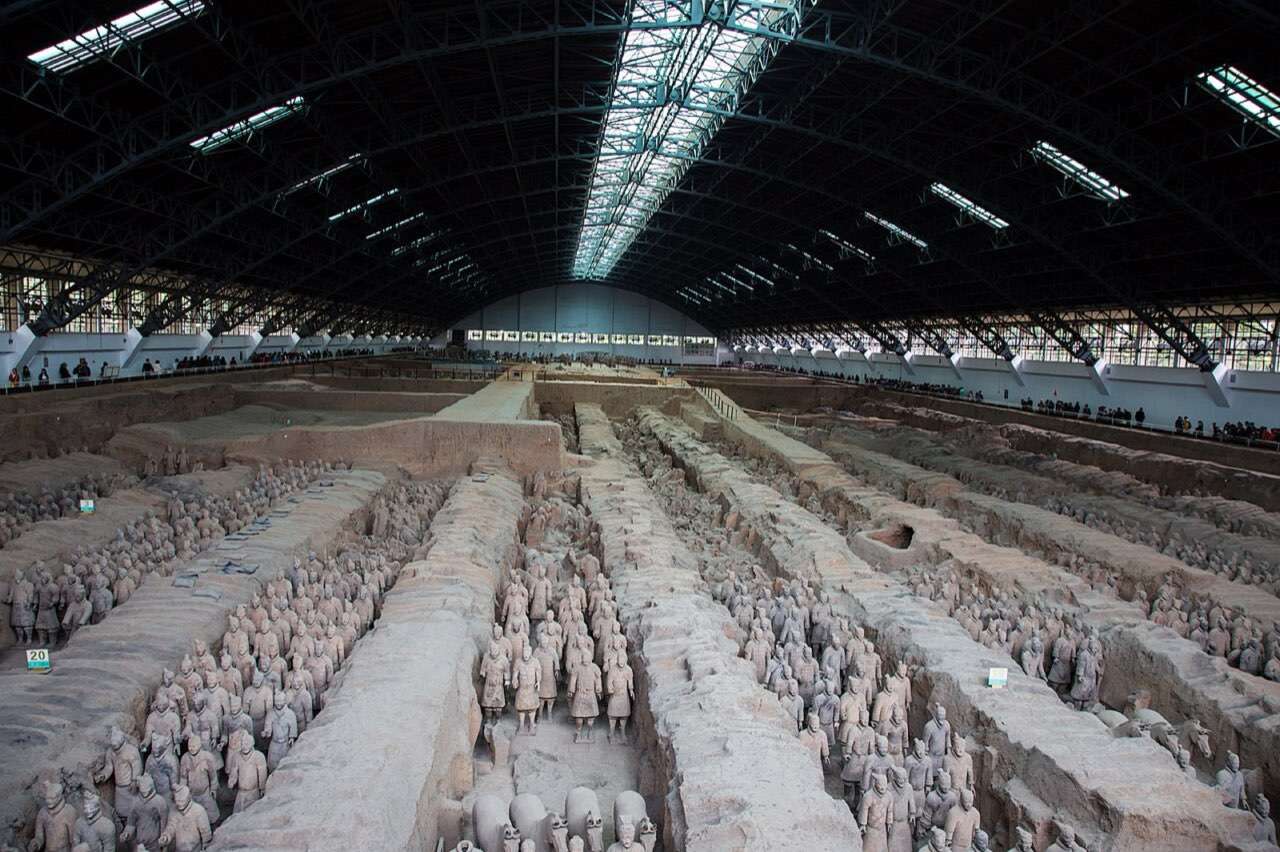
The Qin Shi Huang Terracotta Army Museum is located in Lintong District, Xi'an, about 40 km from downtown. Since its accidental discovery by farmers digging a well in 1974, three pits have been excavated, yielding approximately 8,000 terracotta warriors and horses. Pit 1 is the largest — 230 m long and 62 m wide, containing about 6,000 warriors, primarily infantry. Pit 2 is a mixed formation (infantry, cavalry, chariots). Pit 3 is the command center. The Bronze Chariot exhibition hall houses two exquisite bronze chariots.
Highlights:
- · Pit 1 — The largest, 6,000 warriors in formation, awe-inspiring scale
- · Pit 2 — Mixed formation, infantry + cavalry + chariots, more detailed exhibits
- · Pit 3 — Command center, warriors with the richest facial expressions
- · Bronze Chariots — Two exquisite bronze chariots, breathtaking craftsmanship
Recommended approach: Depart at 8 AM to arrive before the tour buses — fewer people, better light. Complete visit of Pits 1, 2, 3 + Bronze Chariots takes about 3 hours. Guide commentary about 1 hour, then free time for detailed viewing.
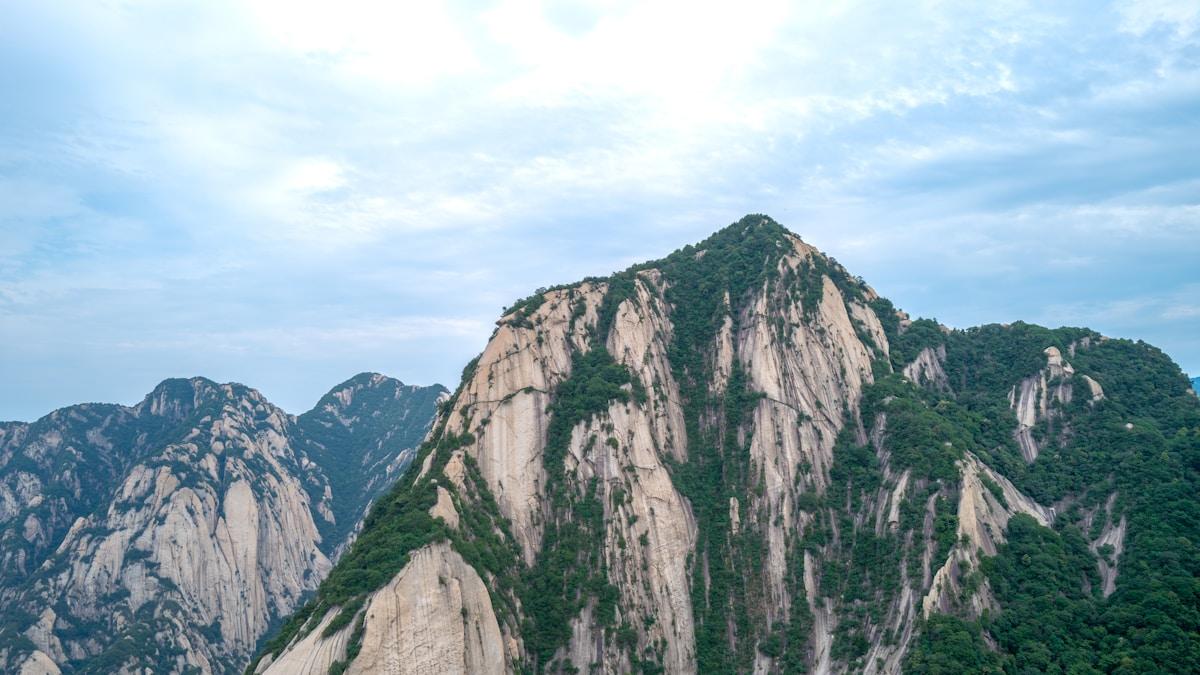
Mount Hua is located in Huayin City, Weinan, about 120 km from downtown Xi'an, approximately 1.5 hours via highway. One of the Five Great Mountains, known as the "World's Most Precipitous Mountain." The main South Peak reaches 2,160 m, with East, West, North, and Central Peaks also accessible. Cable cars run from the base to West Peak (Taihua Cableway) or North Peak (Sante Cableway).
Key facts:
- · West Up West Down — Easiest, cable car to West Peak summit, short walk to South and East Peaks, total 3–4 hours
- · West Up North Down — Moderate difficulty, total 4–5 hours, classic route
- · North Up North Down — Most challenging but most classic, total 5–6 hours
- · Summit is 10°C cooler than base — actually a summer heat escape
Recommended approach: West Up West Down — cable car straight to West Peak summit, short walk to South Peak (highest) and East Peak. Elderly and children can handle it easily. Cable car tickets pre-purchased — no queuing. Skip it on rainy or foggy days — can't see anything and you'll freeze.
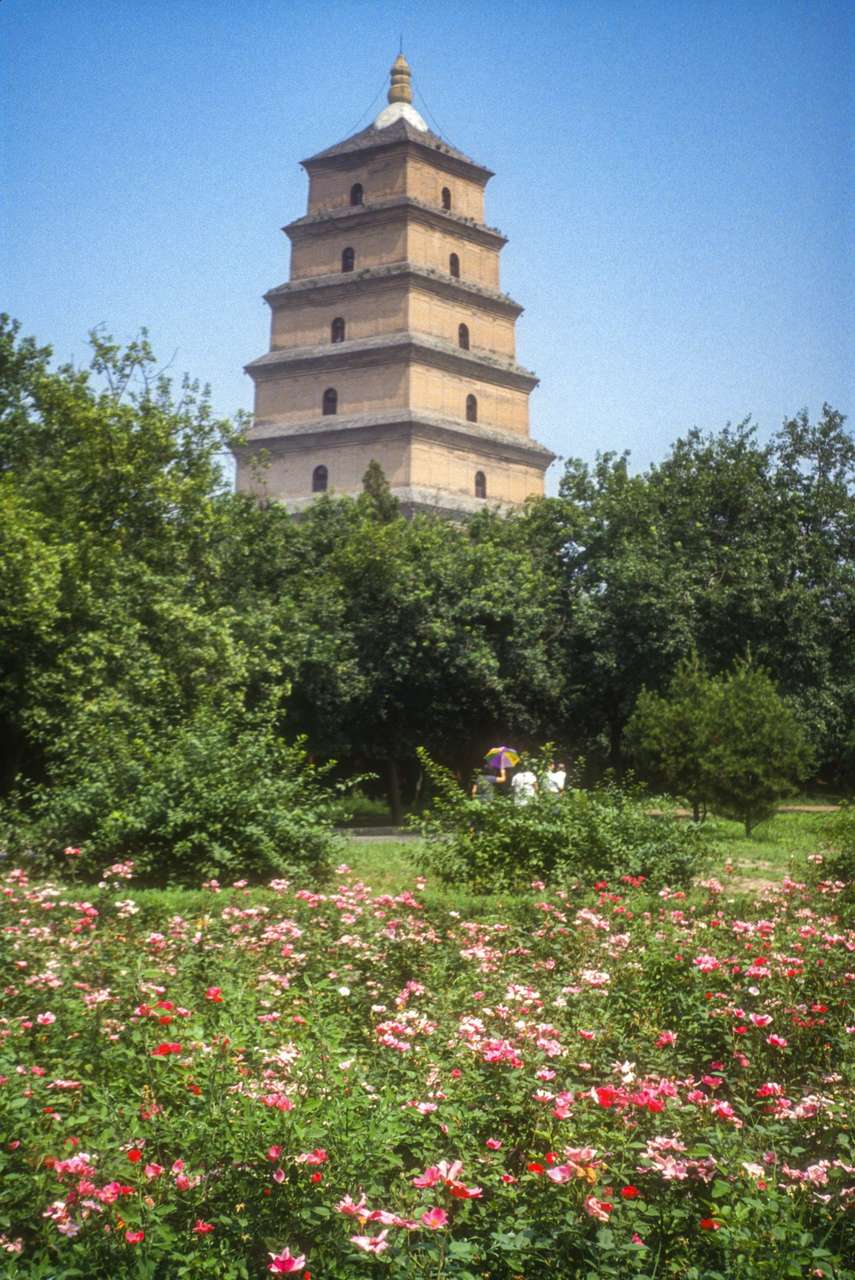
Tang Dynasty Ever-Bright City is located in Yanta District, Xi'an — a Tang-culture themed pedestrian street stretching about 1,500 meters from north to south. Tang-style buildings on both sides are brilliantly illuminated, featuring the Giant Wild Goose Pagoda North Square fountain, the viral "Tumbler Lady," the Zhenguan Reign sculpture group, and the Kaiyuan Era theme square. The night view is one of Xi'an's liveliest attractions.
Highlights:
- · Giant Wild Goose Pagoda — Where Xuanzang translated scriptures; climb for panoramic views
- · Tumbler Lady — Viral social media sensation, expect queues
- · Zhenguan Reign Sculpture Group — Emperor Taizong and his ministers, magnificent scale
- · Music Fountain — North Square of Giant Wild Goose Pagoda, Asia's largest matrix fountain
Best time: 6 PM to 10 PM. Most beautiful when the lights come on. Open year-round; the lantern festival in Dec–Feb is the liveliest. Very crowded during peak season — visit on weekdays if possible.
Shaanxi History Museum is located in Yanta District, Xi'an — China's first large modern national museum. Its collection of over 370,000 artifacts spans from prehistoric times to the modern era, covering over a million years. The permanent exhibition is divided into three halls: Shaanxi Ancient Civilization, Tang Dynasty Treasures (Hejiacun Hoard), and the Tang Dynasty Mural Painting Gallery.
Highlights:
- · Gold-Inlaid Beast-Head Agate Cup — Museum treasure, peak of Tang jade craftsmanship
- · Gilt Silver Flask with Dancing Horse Design — Tang gold and silver masterpiece
- · Tang Sancai (Three-Color Glaze) — Vibrant glazed pottery, vivid forms
- · Tang Dynasty Mural Gallery — Requires separate ticket (approx. 300 RMB), but extremely valuable
Recommended approach: Enter right at 9 AM opening, reserve the free "Basic Exhibition" ticket. Hire a guide or rent an audio guide — artifacts without commentary are just antiques to look at. Plan for 3–4 hours.
What to Eat in Xi'an
Roujiamo, Yangrou Paomo, Liangpi, Biángbiáng noodles — where locals eat, not commission-trapped tourist restaurants.
Xi'an cuisine is half the value of this trip. The recommendations below are not the commission-trapped restaurants tour groups go to, but where locals actually eat. Prices in RMB with USD reference.
Other Worth Trying
- Hulu Ji (Calabash Chicken) — Famous Xi'an dish, whole chicken boiled then steamed then fried, crispy outside and tender inside, tear and dip in spiced salt
- Soup Dumplings — Muslim Quarter specialty, beef filling, thin skin with lots of soup, careful — it's hot!
- Zeng Gao (Steamed Glutinous Rice Cake) — Steamed glutinous rice with red dates, sweet, soft, and sticky, great breakfast
- Sour Plum Drink — Freshly brewed in Muslim Quarter, sour-sweet, great for cutting grease and beating the heat
- Pomegranates — Lintong specialty, available near the Terracotta Army, sweet seeds and lots of juice
Meal cost reference: Lunch + dinner approx. USD 5–10/person/day (about RMB 40–80) for excellent food. The Muslim Quarter is highly commercialized — many tourists, high prices, mediocre taste. We recommend Yongxingfang — a heritage food street gathering specialty snacks from all 107 Shaanxi counties, more authentic and cheaper. Tour group meals cost ¥30–40/person but are poor quality — bulk-prepared, pre-made dishes. Find your own local restaurants — same money, three times better food.
About Xi'an Travel
Start Planning Your Xi'an Trip
Tell us your group size and travel dates, and your travel consultant will customize your Xi'an itinerary.
Brand Direct · Fully Licensed · 500K Travel Insurance · No Tipping
Key Takeaways
- Xi'an is in Shaanxi Province on the Guanzhong Plain, south of the Qinling Mountains and north of the Wei River. It is one of China's Four Great Ancient Capitals and the eastern starting point of the Silk Road.
- The guide says first-time visitors should allow 7 days and 6 nights to cover the main city sights, the eastern route including the Terracotta Army, and a Mount Hua day trip at a relaxed pace. Key attractions mentioned include the City Wall, Terracotta Army, Mount Hua, Shaanxi History Museum, Tang Dynasty Ever-Bright City, and the Muslim Quarter or Yongxingfang.
- The best times to visit are March to May and September to October for comfortable weather and clear skies. Summer can be very hot, while winter has fewer crowds and lower prices, and the Tang Dynasty Ever-Bright City lantern festival is especially lively at night.
- Singapore and Malaysia passport holders are described as visa-free for 30 days to China in the article, and Xi'an has no extra restrictions beyond standard valid travel documents. A passport is needed for hotel check-in and attraction entry, and the Terracotta Army and Shaanxi History Museum require real-name reservations booked in advance.
- Packing advice depends on the season because Xi'an has strong day-night temperature swings. The article also notes that Mount Hua is about 10°C cooler at the summit than at the base, so a windproof jacket and good walking shoes are recommended.
Official resources
- Ministry of Culture and Tourism of the People's Republic of China (mct.gov.cn) — the national regulator for licensed travel agencies
- National Immigration Administration (nia.gov.cn) — official entry, exit, and immigration information for mainland China
- Consular Services, Ministry of Foreign Affairs (cs.mfa.gov.cn) — official consular information and travel notices