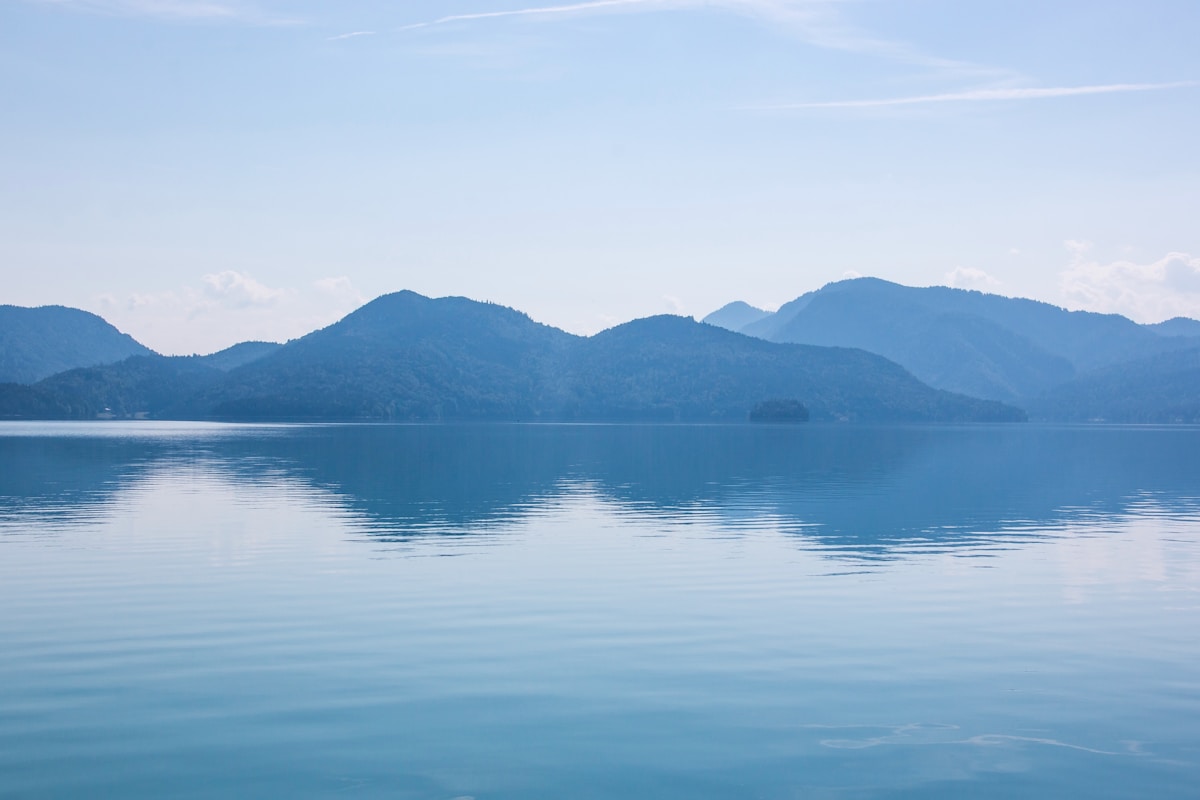
Xinjiang Travel Guide
where Xinjiang is, when to visit, how to get there, how much it costs, what to see, and what to eat — a complete guide for overseas Chinese travelers worldwide. Not marketing fluff; real, actionable travel reference.
Where Is Xinjiang?
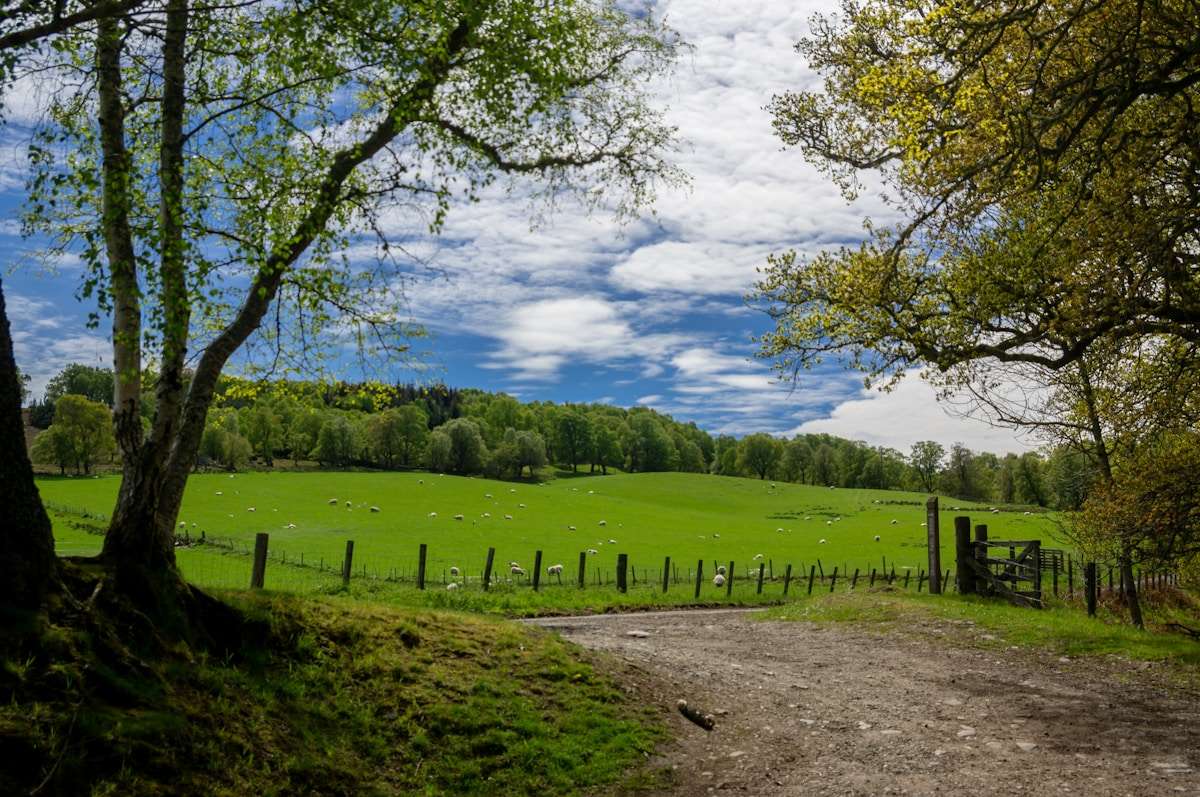
The Xinjiang Uyghur Autonomous Region is China's northwestern frontier, covering 1.66 million km² — one-sixth of China's total land area.
Location & Geography
Xinjiang Uyghur Autonomous Region refers to China's far-northwestern provincial-level region, situated deep in the heart of the Eurasian continent. It borders Gansu and Qinghai to the east, Tibet to the south, and shares borders with India, Pakistan, Afghanistan, Tajikistan, Kyrgyzstan, Kazakhstan, Russia, and Mongolia. With 5,600 km of land borders, Xinjiang has China's longest border of any province.
The Tianshan Mountains divide Xinjiang into Northern and Southern Xinjiang. Northern Xinjiang is dominated by grasslands, lakes, and forests with a relatively cool climate; Southern Xinjiang features deserts, ancient cities, and oasis towns with a drier, hotter climate. Most first-time visitors choose the Northern Xinjiang Ili loop, which is the primary focus of this guide.
Why Xinjiang Is Worth Visiting
Xinjiang offers China's most spectacular landscape diversity:
- Sayram Lake — A high-altitude freshwater lake at 2,070m, often called "the Atlantic's last teardrop." The water is an impossibly vivid blue.
- Duku Highway — A scenic highway cutting across the Tianshan Mountains, 561 km long, open only 4 months a year, crossing four mountain passes and experiencing four seasons in a single day.
- Nalati Grassland — One of the world's four great alpine valley grasslands, with a "sky grassland" accessible by cable car, offering sweeping views.
- Kanas — A lake deep in the Altai Mountains, brilliant with autumn foliage; known as the "Switzerland of the East."
- Ili Lavender — From mid-June to early July, the Ili Valley bursts into purple bloom — China's largest lavender-producing region.
- Multi-ethnic Culture — Uyghur, Kazakh, Hui, and many other ethnic groups live here, each with distinct cuisine, music, and architecture.
For overseas Chinese travelers from Singapore and Malaysia, Xinjiang's unique value lies in offering high-latitude alpine grasslands and lake scenery you simply cannot experience in Southeast Asia, while retaining a deeply familiar Chinese culinary foundation — Dapanji chicken, hand-pulled rice (polo), baked samsa, lamb skewers — exotic yet comfortingly familiar.
Best Travel Seasons
Xinjiang travel is highly seasonal — the experience varies dramatically by month. Here's a month-by-month breakdown:
| Month · Temperature Range · Landscape Features · Rating | |||
|---|---|---|---|
| May | 10–25°C | Grasslands turning green; Duku still closed | ★★☆ |
| Jun | 15–28°C | Duku opens; lavender blooms; Sayram Lake ice melts | ★★★★★ |
| Jul | 18–30°C | Greenest grasslands; bluest lake; melon season begins | ★★★★★ |
| Aug | 18–30°C | Peak melon season; grasslands still green; peak crowds | ★★★★☆ |
| Sep | 10–24°C | Autumn colors emerging; Duku closes end of month; fewer crowds | ★★★★☆ |
| Oct | 5–18°C | Deepest autumn colors; Duku closed; some attractions shut | ★★☆ |
| Nov–Apr | -15–5°C | Winter snowscapes; Kanas & Hemu winter scenery | ★★★ (Winter route) |
The best travel season for Northern Xinjiang is June through September. June has the newly opened Duku Highway, relatively fewer crowds, and peak lavender. However, Jul-August offers the best scenery but is also peak season. September brings unique autumn colors with fewer crowds, though the Duku Highway closes by month-end. May and October are doable, but the Duku is closed and the grasslands are withered — the experience is diminished.
What to Prepare Before Departure
Visa, altitude, clothing, gear — don't overlook a single thing.
Visa & Documents
Singapore passport holders: 30-day visa-free entry to China is available. No advance visa application needed. Ensure your passport has at least 6 months validity.
Malaysian passport holders: 30-day visa-free entry to China (2026 policy). If your itinerary exceeds 30 days, apply for a visa in advance. Check the latest policy before traveling.
Xinjiang: No additional restrictions for foreign visitors — same as visiting Beijing, Shanghai, or Xi'an. No special permits required. Note that hotels must be licensed to host foreign guests — a reputable travel service provider should handle this for you.
Carry your passport at all times: Scenic areas and highway service zones in Xinjiang have security checks requiring passports or ID. Bring photocopies as a backup.
Altitude Sickness
Most travel areas in Northern Xinjiang sit at elevations between 1,000 and 2,500 m and generally do not cause noticeable altitude sickness. Here are the key elevation figures:
- Urumqi: approximately 900m
- Yining: approximately 660m
- Sayram Lake: 2,070m — most people feel fine; a few experience mild dizziness
- Nalati Grassland: approximately 1,800m
- Duku Highway, Hashilegen Pass: approximately 3,400m — short stop, typically under 30 minutes
- Kanas Lake: 1,370m
Recommendation: Those with serious cardiovascular or respiratory conditions should consult a doctor before departure. Ordinary travelers do not need to take Rhodiola or other altitude medications in advance. The Duku Highway reaches a high pass, but stops there are brief — no need to stress. Get enough sleep and avoid strenuous exercise.
Clothing Checklist
Xinjiang has dramatic day-night temperature swings. Even in July, the Duku Highway pass can drop to 10°C. We recommend the "three-layer system":
- Outer layer: Windbreaker or light down jacket — essential for the Duku Highway pass and Sayram Lake mornings/evenings
- Mid layer: Long-sleeve T-shirts, thin fleece — for daytime city and grassland wear
- Inner layer: Short-sleeve shirts — Urumqi can reach 30°C in July-August daytime
- Bottoms: Mainly long pants — practical for grassland and canyon walking, also UV protection
- Shoes: One good pair of walking shoes/sneakers — grassland and canyon require walking; don't wear brand-new shoes
- Accessories: Sunglasses, hat (wide-brim or baseball cap), UV face gaiter
Special note: UV radiation in Xinjiang is extremely strong — you can sunburn even on cloudy days. SPF50+ sunscreen is essential; reapply every 2-3 hours. Lips dry out easily; bring lip balm.
Gear Checklist
- Sun protection: SPF50+ sunscreen, UV400 sunglasses, wide-brim hat, UV face gaiter
- Medications: Motion sickness pills (the Duku Highway is winding), stomach medicine (dietary changes may cause discomfort), cold medicine, band-aids
- Electronics: Power bank (long drives drain your phone), car charger adapter
- Other: Insulated bottle (hot water on the road), wet wipes, a few snacks (some sections have no supply points)
- Luggage: One large suitcase plus one carry-on per person is recommended. Xinjiang has ample room for shopping and many local specialties.
Note: Airline carry-on liquids are limited to 100ml per container. If carrying cosmetics, note that altitude pressure differences may cause sealed packaging to leak; use ziplock bags.
How to Get to Xinjiang & How to Get Around
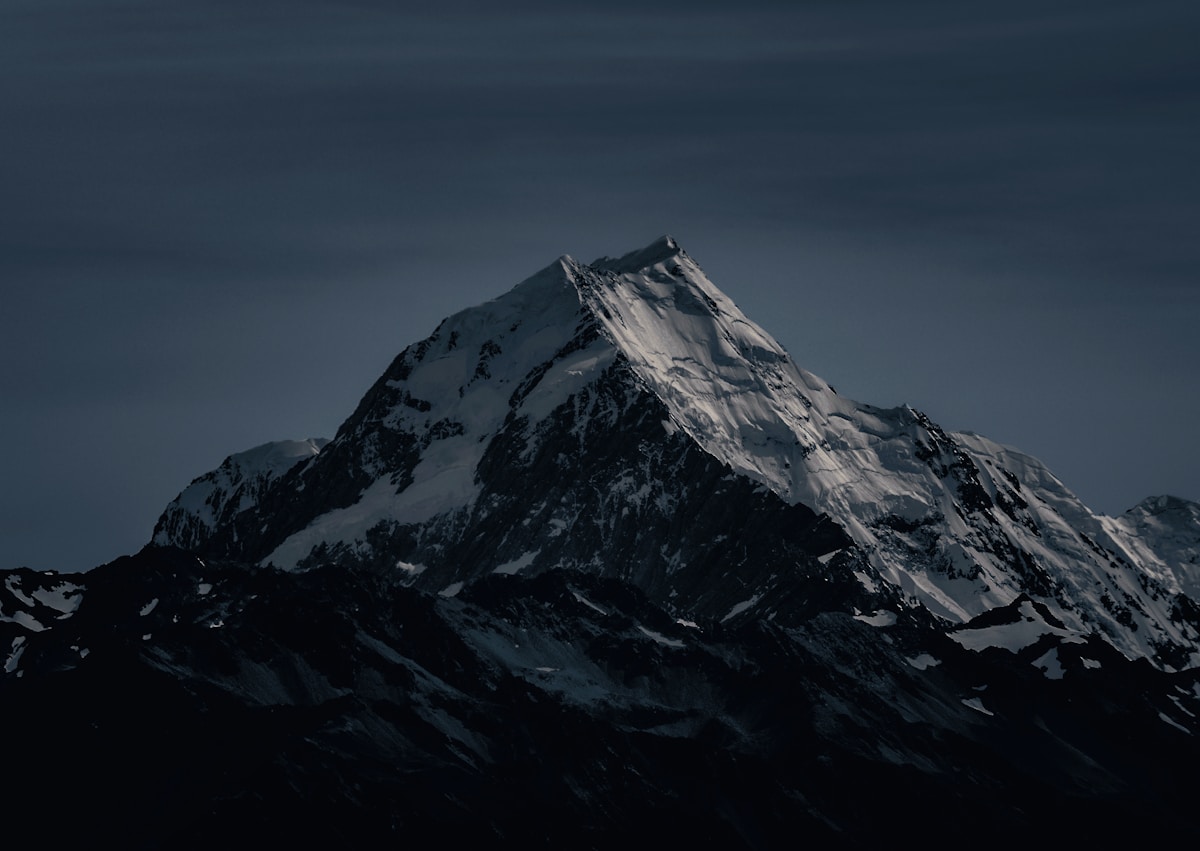
Xinjiang is enormous — your transport choices directly determine your travel experience.
Getting to Xinjiang
Fly into Urumqi Diwopu International Airport (URC) — this is the entry point for the vast majority of travelers.
From Singapore:
- Direct: Singapore–Urumqi, approximately 6.5 hours (not daily; check flight schedules)
- Connecting: Singapore–Guangzhou/Chengdu/Xi'an–Urumqi, total 8-10 hours — more options, lower prices
From Malaysia (Kuala Lumpur):
- Connecting: Kuala Lumpur–Guangzhou/Chengdu/Xi'an–Urumqi, total 9-11 hours
- No direct flights; must transit via mainland Chinese cities
Tip: Book flights 1-2 months ahead. Peak season (July-August) prices double. Transit via Guangzhou, Chengdu, or Xi'an — the three most convenient hubs with high flight frequency.
Getting Around Xinjiang
Xinjiang covers 1.66 million km² — larger than France and Germany combined. Attractions are routinely 300–500 km apart. Intra-region transport is the critical variable in your travel experience:
- Private vehicle / custom tour (Recommended): 7-seat MPV with driver-guide, flexible stops, controllable itinerary. Ideal for 4-6 person family trips.
- Self-drive: Roads are good but distances are long — 4–8 hours of driving daily, high physical demands on the driver, risk for those unfamiliar with local roads.
- Bus / train: There's a train from Urumqi to Yining (about 10 hours); reaching Kanas requires multiple transfers. Suitable only for extreme budget backpackers with ample time.
- Group tour bus: Cheapest but most exhausting — 6 AM wake-ups, 8-12 hours on the road, only 1 hour at each attraction.
Core conclusion: Xinjiang is not suitable for "budget sightseeing bingo." Distance makes transport the single biggest cost factor — choosing the right transport method makes the difference between an unforgettable journey and a miserable one.
Transport Arrangements: Typical Industry Practice vs. Our Approach
How Much Does a Xinjiang Trip Cost
This estimate is based on an 8-day, 7-night Northern Xinjiang loop. Prices are shown primarily in USD, with RMB, MYR, and USD for reference.
The following costs are based on an 8-day 7-night itinerary, Urumqi entry/exit, Northern Xinjiang Ili loop. Prices include full transport, accommodation, attraction tickets, and insurance; exclude round-trip flights and lunch/dinner. Actual prices fluctuate with group size, hotel tier, and season.
Cost Notes
- Included: Full private vehicle (fuel/tolls/parking), hotels (with breakfast), attraction tickets, RMB 500,000 travel accident insurance, travel photoshoot, airport transfers
- Not included: Round-trip flights from your departure city to Urumqi, lunch & dinner (recommend not pre-booking; driver-guide recommends local restaurants), personal expenses, visa fees (Singaporean, Malaysian, and most other passport holders are eligible for visa-free entry)
- Meal cost reference: Lunch and dinner: approx. USD 5–15 per person per day (approx. RMB 50-110) for excellent food — Dapanji chicken, hand-pulled rice, baked samsa, lamb skewers
- Flight cost reference: Singapore/Kuala Lumpur round-trip to Urumqi, if booked early, USD 300–600; in peak season, USD 600–1120
Actual prices vary with vehicle type and hotel tier. Tell us your group size and travel dates, and a travel consultant will provide an exact quote.
Four Must-Visit Places
Sayram Lake, Duku Highway, Nalati, Kanas — highlights and pitfalls for each.
Sayram Lake is Xinjiang's highest and largest alpine cold-water lake, located in Bortala Mongol Autonomous Prefecture. At an elevation of 2,070 m and with an area of 458 km², its water transparency reaches 12 meters. It is known as the "last teardrop of the Atlantic" — because it's the last place reached by warm, moist Atlantic air currents.
Highlights:
- · The Blue — At different times and from different angles, the lake water displays different shades of blue — no filter needed.
- · Lake Circuit — 270° lakeside road; every angle offers a different view.
- · Travel Photo Shoot — Outfits provided, a staff photographer accompanies you — no selfie-stick struggles.
- · Drone Footage — Aerial shots of where the lake meets the grassland.
Best time: June–September. Early June ice-melt period has the clearest water. July–August has peak grassland wildflowers. September autumn colors reflect on the lake.
The Duku Highway runs from Dushanzi District in Karamay in the north to Kuqa City in the south, spanning 561 km and cutting vertically through the Tianshan Mountains. It crosses four Tianshan passes (Hashilegen, Yumomole, Laerdun, Tielimaiti), traversing glaciers, grasslands, canyons, and forests — earning its title as "China's Most Beautiful Highway."
Key Facts:
- · Opens early June, closes end of September each year. Exact dates announced by the transport authority 1-3 days in advance.
- · Driving the full length takes 8-10 hours of pure driving without stops.
- · Hashilegen Pass at about 3,400m can drop to 10°C even in July.
- · The northern section (Nalati → Qorma → Hashilegen → Kuytun) is the most spectacular 100 km stretch.
Recommended route: Take the northern highlights, not the full length. Nalati → Qorma → Hashilegen Pass → Kuytun, stopping frequently over 3-4 hours — the most beautiful 100 km preserved for you. Drive the full length and by the time you reach the endpoint you'll just want to collapse, with zero energy for photos.
Nalati Grassland is located in Xinyuan County, Ili Prefecture, and is one of the world's four great alpine valley grasslands. It's divided into the Valley Grassland and Sky Grassland sections. The Sky Grassland is accessible by cable car at approximately 1,800-2,200m elevation, with wide-open views: distant snow mountains, near grasslands, and pine forests in between.
Highlights:
- · Cable Car — Ascend from the valley to the Sky Grassland, overlooking the entire valley.
- · Grassland Stroll — Walk 1-2 hours on the Sky Grassland, unhurried.
- · Kazakh Nomad Culture — See yurts, horse herds, sheep flocks.
Best time: June–August for the greenest grass. September turns golden with a different charm. July features the Nadam Festival (Nalati Grassland Festival) with horse racing and wrestling.
Kanas Lake is located in Burqin County, Altay Prefecture, deep in the Altai Mountains near the China-Kazakhstan border. At 1,370m elevation, the lake stretches 24 km long with a maximum depth of 188.5m. Famous for its "lake monster" legends and brilliant autumn foliage, it's known as the "Switzerland of the East."
Highlights:
- · Kanas Lake — Guanyu Pavilion overlooks the entire lake; the water changes color with the seasons.
- · Three Bays — Wolong Bay, Moon Bay, Shenxian Bay; morning mist is the most beautiful.
- · Hemu Village — Tuva wooden hut village, morning mist and cooking smoke, golden birch forests in September.
Best time: Mid-September to early October for the richest autumn colors. July–August is lush green but relatively plain scenery. Winter (December–February) has spectacular Hemu snowscapes, but requires a dedicated winter route.
What to Eat in Xinjiang
Dapanji chicken, hand-pulled rice (polo), baked samsa, lamb skewers — restaurants locals actually eat at, not kickback traps.
Xinjiang cuisine is half the value of this trip. The following are not the kickback restaurants tour groups go to — they're where locals eat daily. Prices in RMB with USD reference.
Other Worth Trying
- Naan (Flatbread) — Xinjiang's staple. Fresh from the tandoor, it's ten times better than bread. Sesame, onion, or meat naan — all good.
- Laghman (Hand-Pulled Noodles) — Xinjiang's lunch standard: hand-pulled noodles topped with stir-fried vegetables and meat.
- Yogurt — Xinjiang yogurt is homemade, thick enough to stand a spoon upright, quite tart — add honey or sugar.
- Ice Cream — Yining handmade ice cream, made with fresh milk, intensely creamy.
- Melons & Fruit — July–August: Hami melons, grapes, watermelons — sweetness off the charts, sold by the kilogram at roadside stalls.
Meal cost reference: USD 5–15 per person per day (approx. RMB 50-110) for excellent food. Group tour meals cost ¥30-40 per person but are poor quality — mass-cooked, pre-made. Find local restaurants yourself and eat three times better for the same money.
About Xinjiang Travel
Start Planning Your Xinjiang Trip
Tell us your group size and travel dates, and a travel consultant will customize your Xinjiang itinerary.
Brand-Operated · Fully Licensed · ¥500K Travel Insurance · No Tipping
Key Takeaways
- Xinjiang is in China’s far northwest and covers 1.66 million km², about one-sixth of the country’s land area. The Tianshan Mountains divide it into a cooler, greener north and a drier, hotter south, and this guide mainly focuses on the Northern Xinjiang Ili loop.
- For Northern Xinjiang, June to September is the main travel window. June has the Duku Highway reopening and lavender season, July and August have the fullest summer scenery but more crowds, and September brings autumn colors with fewer visitors before the Duku closes at month-end.
- Key sights highlighted in the article include Sayram Lake, the Duku Highway, Nalati Grassland, Kanas, and the Ili lavender fields. The region is also noted for its multi-ethnic culture, including Uyghur, Kazakh, and Hui communities.
- The article says Singapore passport holders can enter China visa-free for 30 days, and Malaysian passport holders also have 30-day visa-free entry under the stated 2026 policy. It also says Xinjiang has no extra permit requirements for foreign visitors, but travelers should carry their passport because security checks are common.
- Most Northern Xinjiang travel areas are between 1,000 and 2,500 meters, and the article says noticeable altitude sickness is generally uncommon there. Even so, travelers should prepare for large day-night temperature swings, and conditions on the Duku Highway can be much cooler even in July.
Official resources
- Ministry of Culture and Tourism of the People's Republic of China (mct.gov.cn) — the national regulator for licensed travel agencies
- National Immigration Administration (nia.gov.cn) — official entry, exit, and immigration information for mainland China
- Consular Services, Ministry of Foreign Affairs (cs.mfa.gov.cn) — official consular information and travel notices