Yunnan Travel Pitfall Guide: Top 10 Mistakes to Avoid
This guide was written from 233 real Yunnan pitfall posts on Xiaohongshu, plus real customer inquiries. Ten common traps, and for each one, we break down exactly what it looks like, how to spot it, and how to avoid it. Yunnan is gorgeous—but the thing that ruins your trip is rarely the scenery. It’s the scams, the sales pitches, and the information gap.
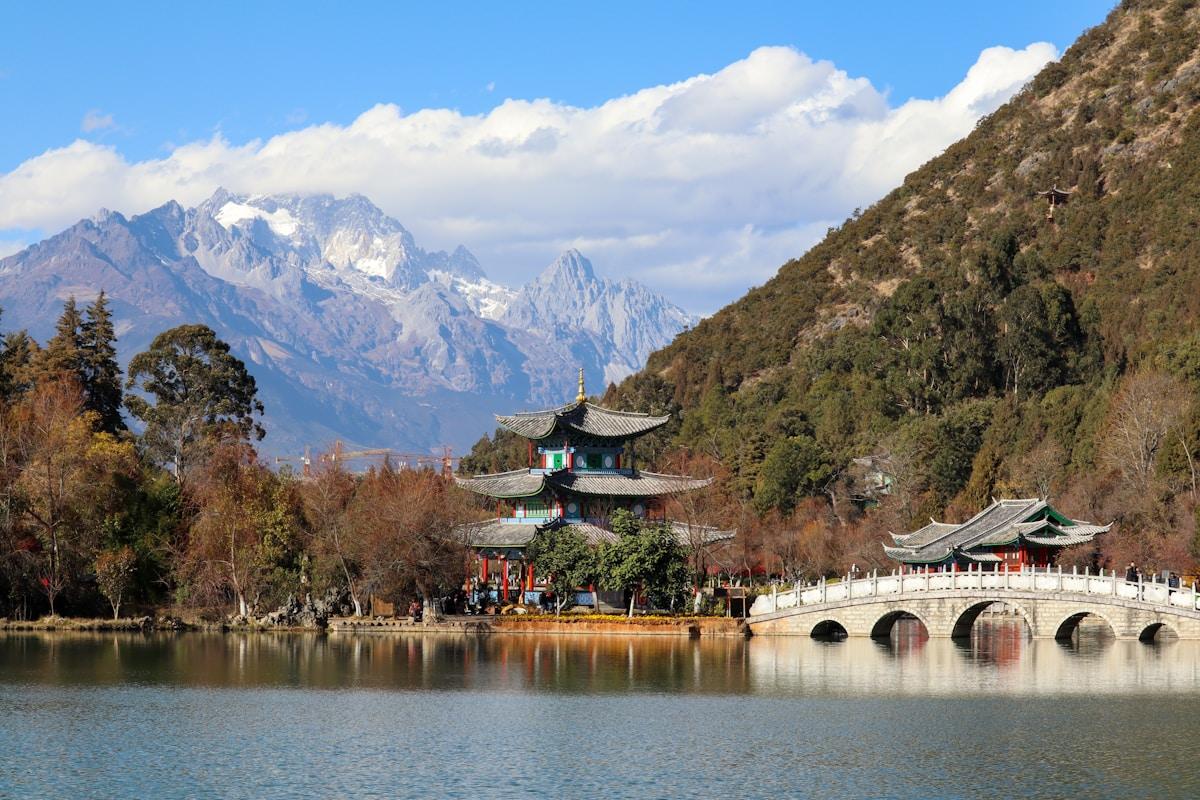
Trap 1: Shopping tours / ultra-cheap group tours — what’s cheap isn’t the tour, it’s your mood afterward
What it looks like: The Xiaohongshu post “A pure sightseeing tour turned into a shopping tour — we had to delete our video just to get an apology and defend our rights!” (@是边边呢) is a post with 126 likes. Shopping tours look cheap on the surface, but the itinerary quietly hides jade stores, silver shops, tea shops, and guides telling story after story all day long. If you don’t buy, the mood turns icy fast. You think you got a bargain, but really you just wasted an entire day.
How to spot it: The price is way below market rate—for example, an 8-day, 7-night tour for under RMB 2,000, while still promising “luxury hotels + the main cable car.” If the itinerary has very few actual attractions and lots of shopping stops, it’s probably a shopping tour. We’ve been asked “Why are you more expensive than others?” 15,535 times. Higher price doesn’t automatically mean better—but if it’s absurdly cheap, there’s usually a catch.
How to avoid it: Go straight for a pure sightseeing private charter itinerary instead. Make sure the pricing is clearly written out: around RMB 7,000+ per person for groups of up to 4, and RMB 6,000+ per person for groups over 4. The more people you have, the lower the cost per person—roughly SGD 1,300+ and SGD 1,100+ per person. Ask customer service in advance: are there any shopping stops at all? Get it written into the contract. Any tour that says “shopping is not compulsory” should be treated as a shopping tour by default—it just means they won’t physically force you.
---
Trap 2: Getting scammed in Dali — from roadside stalls to “premium experiences,” it’s one setup after another
What it looks like: The Xiaohongshu post “Looking back: why did I get scammed so badly in Dali?” (@Lily) is a post with 4,782 likes; “What was supposed to be a happy trip ended with me being cheated out of RMB 18,000‼️” (@舒予|把路走成喜欢的样子) is a post with 3,719 likes. Dali scams are scattered everywhere: taxi detours, rental car deposits that never come back, roadside snacks with unclear prices, cafés selling tea “by the gram”… each hit is small, but together they add up fast.
How to spot it: Almost every purchase works like this: you pay first, then only afterward realize what it really cost. Or a seller waves it off with a vague “Oh, it’s not expensive.” The Xiaohongshu post “20 travel landmines in Dali” (@不要来大理!不要来大理!不要来大理!) is a post with 599 likes and lists dozens of specific scenarios. If you run into one scam in Dali, chances are more are waiting right behind it.
How to avoid it: In Dali, ask for the total price before you say yes to anything. Use app-based taxi platforms with visible pricing. Film the entire rental car before you take it. At restaurants, check the menu and note the prices before ordering. Don’t buy “premium local specialties” inside scenic areas. Our charter drivers know Dali well because they drive there all the time, so if you’re in the car with them, your chances of getting taken on a detour or pushed into sales pitches drop by more than half.
---
Trap 3: Lijiang Club Med — a luxury price tag doesn’t always mean luxury treatment
What it looks like: The Xiaohongshu post “Avoid this! I experienced discrimination at Club Med Lijiang!” (@是麦麦哦) is a post with 5,273 likes. Some travelers have said they felt they were treated differently at Club Med—most often in the sense that the staff attitude seemed noticeably different toward them. It’s subjective, yes, but when it happens on a trip, it can ruin more than just one day.
How to spot it: Before booking a hotel, search Xiaohongshu for “hotel name + pitfall guide” and see whether the same complaints keep coming up. If the negative reviews focus on service attitude rather than hardware or facilities, there’s usually something real there. We’ve been asked “Which hotel is better?” 17,321 times—because star ratings and pretty social-media photos are not enough.
How to avoid it: A big-name resort is not your only hotel option. Dali, Lijiang, and Shangri-La all have highly rated local boutique stays and hotels, and you can build those into your itinerary. Our custom charter tours default to highly rated luxury 4-diamond hotels. If you have strong preferences for where you stay, just tell customer service in advance and be clear about your budget and needs before deciding. Don’t pay just because a place is famous online.
---
Trap 4: Shangri-La portrait shoots / travel photography — gorgeous Tibetan-style photos, endless add-on charges
What it looks like: The Xiaohongshu post “Avoid this Shangri-La Ziputao photo studio!!” (@我不是刘德华77) is a post with 943 likes; “A real Shangri-La pitfall warning” (@一名摆烂牛马) is a post with 745 likes. Tibetan-style portrait packages often look cheap at first, but once you get to the studio, they start charging extra for makeup, extra for eyelashes, extra for retouching, and more. In the end, you spend several times the original quote and get back photos that look like they came off an assembly line.
How to spot it: The more vague the “package includes” section is, the more room there is for add-on fees later. For example, if it only says “makeup included” but doesn’t specify how many outfits, how many scenes, or how many retouched photos, expect extra charges. In the square at Songzanlin Monastery in Shangri-La, there are plenty of photographers soliciting customers on the spot, quoting prices off the top of their heads.
How to avoid it: First, ask directly: “What’s the total price, and does it include everything?” Get them to write it down. Second, ask to see real customer photos, not studio sample shots. Third, if all you want is some nice pictures, you can simply rent a Tibetan outfit and use your phone—it can still look great. Our itineraries deliberately leave time at Songzanlin Monastery, and the guide can help you find legitimate photo spots, but they won’t proactively push expensive packages on you.
---
Trap 5: Mushroom poisoning — the price of that “fresh, local delicacy” could be a hospital visit
What it looks like: The Xiaohongshu post “Don’t eat mushrooms randomly in Yunnan (I already got poisoned)” (@歧路司KIROSHI_IV) is a post with 1,639 likes. Yunnan mushrooms are delicious, but there are so many types of wild fungi that outsiders can’t reliably tell them apart. Eat undercooked jianshouqing mushrooms and at best you may get dizzy or hallucinate; at worst, you end up in hospital. Some people think the spicy thrill is part of the adventure, but as a traveler, this is not the kind of “local specialty” you want.
How to spot it: If any restaurant says “our wild mushrooms are totally safe” or “just eat as much as you like,” don’t take that at face value. No roadside stall can truly guarantee where its mushrooms came from. If mushrooms are served in a hotpot before they’ve been cooked long enough, they’re basically gambling with your stomach.
How to avoid it: Only eat mushroom hotpot at proper restaurants, and ask the staff to put the timer right in front of you so you know the cooking time is long enough. Don’t buy loose dried mushrooms from markets, and definitely don’t go foraging on your own. If you’re worried, simply choose an itinerary that avoids wild mushrooms altogether—Yunnan has far more to offer than just fungi. Our drivers always remind restaurants to prepare an extra plate of familiar home-style food for out-of-town guests, just in case the local flavors don’t suit you.
---
Trap 6: Jade Dragon Snow Mountain — cable car lines, altitude sickness, and the oxygen upsell
What it looks like: The Xiaohongshu post “The one real letdown on my Yunnan trip! Jade Dragon Snow Mountain warning ⚠️ avoid this” (@Mkies) is a post with 265 likes. The traps here come in a few forms: in peak season, you may queue three hours to go up and another hour to come down; oxygen canisters are sold inside the scenic area for several times the price you’d pay down in town; and some drivers or guides deliberately tell you to buy several extra bottles, insisting “one definitely won’t be enough up there.”
How to spot it: Main cable car tickets are hard to get on your own, so some people resell them at inflated prices. Queue times can be checked online. If the main cable car is under maintenance and someone is still telling you “you’ll definitely get up,” they’re lying. And anyone pushing you to buy extra anti-altitude-sickness medicine deserves a healthy amount of skepticism.
How to avoid it: Buy portable oxygen bottles in a pharmacy in Lijiang Old Town in advance; they’re usually around RMB 20 each. Book the main cable car through official channels ahead of time. On our itinerary, Day 5 starts with sunrise light on the mountains at Dongba Valley before heading up Jade Dragon Snow Mountain, with the summit cable car and Blue Moon Valley already arranged. And because it’s a private charter, you set the departure time—if you want to leave early and beat the crowds, you can. When it comes to altitude sickness, a good night’s sleep helps more than most medicine.
---
Trap 7: Tiger Leaping Gorge tricks — one ticket sold to you twice, plus “parking fees” on top
What it looks like: The Xiaohongshu post “🇲🇾 Avoid this Tiger Leaping Gorge scam! Watch this and save RMB 200” (@柚子气泡水) is a post with 305 likes. Some travelers say that near the scenic area, people stop cars and sell them “tickets,” take their money, and wave them through—only for them to reach the real entrance and be told to buy tickets again. Others park in so-called “villager parking lots” and later realize the fee is even higher than official scenic-area pricing.
How to spot it: Scenic-area tickets should only be bought at the official entrance. Anyone trying to sell them to you on the road is using a non-official channel. If the parking fee sign is unclear or they just throw out a flat rate like “RMB 20,” there’s likely room for overcharging.
How to avoid it: Check the official ticket price on your phone before you go, and once you arrive, only trust official ticket windows and gates. If someone waves you down by the roadside, roll the window up and keep driving. For parking, use the official scenic-area lot even if it means walking a little farther. Our charter drivers park directly in the official lot, so you don’t have to worry about being taken somewhere sketchy.
---
Trap 8: Xizhou Ancient Town — every shop is trying to sell you a “Bai culture experience”
What it looks like: The Xiaohongshu post “Xizhou is all tricks! Everyone’s in on it!” (@我是啊疯) is a post with 291 likes. The setups in Xizhou are dense: tie-dye sellers claim everything is handmade when it actually came from a wholesale market; the listed price for Xizhou baba doesn’t match the final bill; bicycle rental guys say “ride as much as you want,” then invent extra fees when you return the bike. It can feel like every stallholder is working from the same sales script.
How to spot it: If the first thing a shop owner asks is “Where are you from?” instead of “Welcome,” they’re probably sizing you up for pricing. Any activity framed as “just try the experience” should come with one immediate question from you: how much will it cost at the end? The shops in Xizhou sit close together, and if you shake your head at one, three more may move in right away.
How to avoid it: Don’t buy anything expensive here. If you want tie-dye, buy it in Dali Old Town where prices are clearly marked. For Xizhou baba, look for the shop where locals are lining up, and join the line instead of standing at the doorway. On our itinerary, we visit Xizhou on the morning of Day 3 and leave in the afternoon, so you won’t be stuck on one street getting pestered for too long.
---
Trap 9: Hotel downgrades — the listing shows an “ocean-view room,” the reality is a street-facing one
What it looks like: The Xiaohongshu post “Dali hotel pitfall guide — the hotel I carefully chose ruined my hand” (@zhizhi) is a post with 317 likes. Some travelers book a trendy “sea-view” hotel in Dali well in advance, only to arrive and find their room tucked behind an alley, with the window facing a wall next door. The front desk says, “We’re full tonight, so we’ve upgraded you to another room”—except the real “upgrade” is to a bigger sense of disappointment.
How to spot it: Photos on booking platforms always show the prettiest room. If the reviews repeatedly say “not like the photos,” “poor soundproofing,” or “hidden in an alley,” just skip it. We’ve been asked many times, “Can I choose the hotel myself?” The answer is yes—but only if you have a real way to verify what you’re booking.
How to avoid it: Before booking, search the hotel’s Chinese name plus the words “pitfall guide.” On check-in day, arrive a bit earlier; if the room type is wrong, you’ll still have time to negotiate with the front desk. Our custom tours default to highly rated luxury 4-diamond hotels, but we don’t pretend every property is perfect. That’s why we recommend telling us your priorities in advance—say, “I need a washing machine” or “I want an actual sea-view room”—so we can confirm everything clearly before booking. And if you’re still unhappy during the trip, you can contact your travel consultant anytime.
---
Trap 10: Charter driver sales scripts — from “friendly recommendations” to changing the plan mid-trip
What it looks like: The Xiaohongshu post “This really happened to me—please be careful of these tricks!” (@阿喵) is a post with 1,637 likes. Some travelers charter a car and find the driver warm and helpful on Day 1, full of food and sightseeing recommendations. By Day 2, the script changes: “That attraction will need extra fuel money,” or “That place isn’t worth it, I’ll take you somewhere else instead.” Before long, there’s a detour to a shopping stop. We’ve been asked “What sales scripts do charter drivers use?” 11,702 times—so no, this isn’t just your concern.
How to spot it: The driver says verbally that “everything’s included,” but nothing is written into the contract. Or they promise to take you to a “secret local place,” and it turns out to be full of tourists. A proper charter company has fixed route standards and driver management rules; an individual freelance driver may do whatever they feel like that day. When clients ask, “What time does the driver start and finish work?” what they’re really asking is: will the driver quit halfway through the day?
How to avoid it: Sign a contract and make sure it spells out service hours, scope, and exactly what fees are included. Our drivers use fully licensed 7-seat business vehicles with all required permits. Daily working hours are agreed in advance, and any extra kilometers or overtime are clearly explained before departure. Clients also ask, “If I want to go somewhere else, will the driver still take me?” With us, if it’s along the same route, usually yes. But if you want to change the route, say so in advance; any added cost is charged openly, not sprung on you halfway through. And if a driver recommends a shop, first ask yourself why. Then ask me.
---
Big-picture takeaway: most Yunnan travel traps are not the scenery’s fault
After reading these ten pitfalls, you’ll probably notice a pattern: Yunnan itself is beautiful. The things that trip you up are usually people—the sales scripts, the tricks, and the information gap. The common threads are:
- Hear the quote, then inspect the details. Almost every trap starts with fuzzy pricing.
- Turn verbal promises into black-and-white terms. Shopping stops, hotel room type, departure times, and what’s included in the price should all be written down.
- Don’t chase the cheapest option, and don’t be afraid to ask questions. We’ve answered “Why are you more expensive than others?” tens of thousands of times. The answer lies in the vehicle class, hotel standard, no-shopping setup, and travel consultant service—and every part of that can be shown to you clearly.
Our 8-day, 7-night custom Yunnan charter tour starts and ends in Kunming and covers Dali, Lijiang, and Shangri-La in one smooth route. You’ll have a private vehicle throughout, with a driver who knows both the roads and the common traps, and there are no shopping stops. But we’ll also be honest: it isn’t the perfect tour for everyone. It’s not built for ultra-low-budget backpackers, and it’s not ideal if you want to change your mind completely on the fly every hour. What we do is much simpler: we put everything on the table, one item at a time, and make it clear.
---
Common Q&A (we’ve been asked every one of these before)
Q: Why are you more expensive than others? A: Because our default setup includes highly rated luxury 4-diamond hotels plus a fully licensed 7-seat business vehicle, and there are no shopping stops throughout the trip. The more people in your group, the lower the per-person cost. For groups over 4, it’s around RMB 6,000+ per person, or about SGD 1,100+ per person. That said, pricing can still vary depending on total mileage and hotel level, so the exact quote depends on what you want.
Q: Is there any sightseeing on the first and last day? A: On Day 1, after airport pickup in Kunming, you can spend the evening exploring the old street and Jinma Biji Archway on your own. On Day 8, you can sleep in and the time before your airport transfer is yours. We do recommend not arriving too late the night before, or Day 1 basically turns into a recovery day.
Q: Can I choose the hotel myself? A: Yes. Our default room standard is luxury 4-diamond, but if there’s a hotel you specifically want, tell us in advance and we’ll calculate the price difference separately. If you want to confirm things like whether there’s a washing machine or whether it’s really a sea-view room, we can help check before the booking is made.
Q: What time does the driver start? Are there evening activities? A: In general, you decide the morning departure time, and the day’s itinerary ends when you arrive at the hotel that evening. If you want to visit a night market or see the city at night, you can discuss it with the driver in advance. If the timing is reasonable, it’s usually fine. We try to avoid too much night driving—safety comes first.
Q: If something goes wrong, is it easy to get a refund or file a complaint? A: Yunnan has an official platform called “Travel Yunnan” that can handle some complaints, and some travelers have successfully received refunds through official channels. But the best way to protect yourself is before the trip starts: read the contract carefully and prevent the problem from happening in the first place.
Q: How many days do people usually spend in Yunnan? A: Our most common itinerary is 8 days and 7 nights, with arrival and departure in Kunming and no backtracking. You can shorten or extend it, of course, but 8 days is usually the sweet spot—it doesn’t feel rushed, but it also doesn’t leave you feeling like you barely scratched the surface.
---
Yunnan is a beautiful place, but even the most beautiful place can be exhausting if you keep walking into one setup after another. The more carefully you prepare, the easier your trip will feel. If you’ve made it all the way through this pitfall guide, you’re already one step ahead of most travelers—and honestly, that one step alone is worth the plane ticket.
If you want help planning a specific itinerary, just send us your group size and number of days anytime.
How LiMao does it: We are a directly operated inbound custom travel service. Our drivers and guides are assigned and managed directly, with no subcontracting, no dropping guests mid-tour. Itinerary details, vehicle standard, and hotel standard are written into the contract, and any issue covered under our 10 Service Promises comes with Double Compensation. Once we tell you the hotel name before departure, that is your final hotel. If special circumstances arise, we upgrade you to a higher standard at our expense.
Heading to Yunnan? Talk to LiMao
One car for one booking, no mixed groups, zero shopping written into the contract, and transparent pricing you can verify. The pitfalls distilled from 233 real posts are exactly the ones we design around.
Directly operated local travel agency · Fully licensed · RMB 500,000 travel accident insurance · No tipping throughout
Frequently Asked Questions
Q: Why is our customer satisfaction so high? (A real client question)
Satisfaction comes from three dimensions: First, no deception — Ten Commitments written into the contract, double compensation for any single breach; Second, more value for the same price — structural enhancements (high-speed rail to Jiuzhaigou saving 6 hours on mountain roads, full Duku Highway route, complete Erhai Lake loop, Jade Dragon Snow Mountain Glacier Cableway, first entry at every scenic spot); Third, someone has your back when things go wrong — a travel consultant follows through pre-trip, during, and post-trip; direct management of driver-guides; independent quality inspections; at least one company leader in the group chat.
Q: What are the Ten Commitments? What happens if there's a breach? (A real client question)
Ten Commitments: 1. All-inclusive pricing (no extra payments after arrival) 2. Pure sightseeing, no shopping stops 3. Hotel confirmed upon booking (the hotel name provided is the final accommodation; otherwise upgraded to a better one) 4. The main contract matches all appendices 5. Driver-guide does not solicit tips 6. The vehicle will not be changed during the trip 7. No skipped attractions 8. 500,000 RMB travel accident insurance 9. No subcontracting, no dropping guests mid-tour 10. One booking, one vehicle, no group merging. Breach consequences: Double compensation applies to any breached item (written into the contract; paid upon breach). Problem resolution and compensation are handled independently. For hotel situations, we first attempt to upgrade to a higher standard; if upgrade is impossible, compensation follows the breach terms.
Q: How does the team operate? (A real client question)
Travel Consultant (the person communicating with you — follows through pre-trip, during, and post-trip) + Driver-Guide (is familiar with the preferences of overseas Chinese travelers, on fixed salary, no shopping involvement) + Quality Supervisor (independent audits, not under the sales department) + At least one company leader in the group chat (to make decisions on escalated issues). We don't just hand groups over to driver-guides and step back — the entire chain is in the brand's hands.
---
Key Takeaways
- The guide is based on 233 Yunnan pitfall posts on Xiaohongshu and real customer inquiries, and it focuses on common travel problems such as scams, sales pressure, and information gaps rather than the scenery itself.
- One major warning is ultra-cheap group tours that hide shopping stops like jade, silver, and tea stores. The article says to check whether there are any shopping stops, get this written into the contract, and treat "shopping is not compulsory" as a warning sign.
- In Dali, scams can include taxi detours, rental car deposit disputes, unclear snack pricing, and tea sold by the gram. The article advises asking for the total price before agreeing, using app-based taxis with visible pricing, filming rental cars before use, and checking menu prices before ordering.
- The article also notes complaints about service attitude at Lijiang Club Med. It suggests searching Xiaohongshu for the hotel name together with terms like a pitfall guide before booking, especially to see whether similar service complaints appear repeatedly.
Official resources
- Ministry of Culture and Tourism of the People's Republic of China (mct.gov.cn) — the national regulator for licensed travel agencies
- National Immigration Administration (nia.gov.cn) — official entry, exit, and immigration information for mainland China
- Consular Services, Ministry of Foreign Affairs (cs.mfa.gov.cn) — official consular information and travel notices